
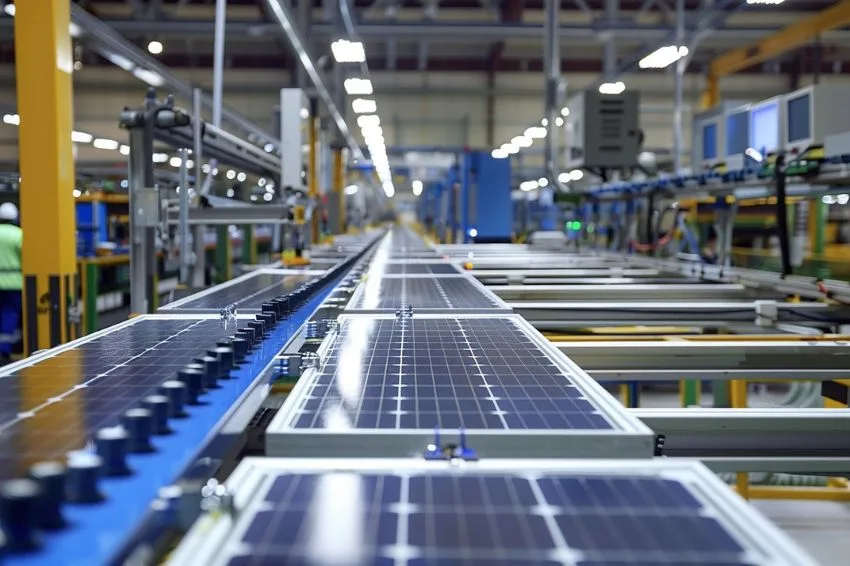
Global solar panel manufacturing capacity is expected to reach 1,8 TW by the end of 2025, according to projections from the think tanks Australian CEF (Climate Energy Finance). This volume represents three times the global demand installed in 2024.
For this year, the entity projects a “relentless” investment by companies operating in the sector, with China being responsible for most of the supply chain.
In 2024, the Asian country recorded a 29% increase in the technology's manufacturing capacity compared to the previous year. According to the entity, the excess supply should favor a process of consolidation of companies in the sector, with the exit of less competitive manufacturers from the market.
Protectionism and challenges outside China
Outside China, the expansion of production has faced challenges such as political uncertainty and high costs, according to CEF.
Our United States, protectionist policies — with the imposition of tariffs on Chinese solar products — have boosted domestic production, which is expected to reach between 55 and 60 GW per year by the end of 2025.
A India, in turn, according to the study, has expanded its production of solar modules, but still depends heavily on wafers and cells imported from China — which could make it vulnerable to trade restrictions imposed by countries like the United States.
The CEF suggests that Western countries seek strategic partnerships with Chinese companies to accelerate local production in a competitive manner. Australia is one of the examples cited, with emphasis on ajoint venture between the startup SunDrive Solar and the giant Trina Solar.
Solar leads the race for cheaper energy
According to CEF, solar energy is on track to become the cheapest source of electricity generation in the world by 2030. This trend is expected to be driven by the continued decline in capital expenditure (CAPEX) for solar projects, which fell from US$3.000/kW between 2014 and 2016 to around US$1.000/kW in 2024.
This advance was driven by improvements in module efficiency and reductions in the prices of polysilicon, one of the main raw materials in the solar industry, over the last two years.
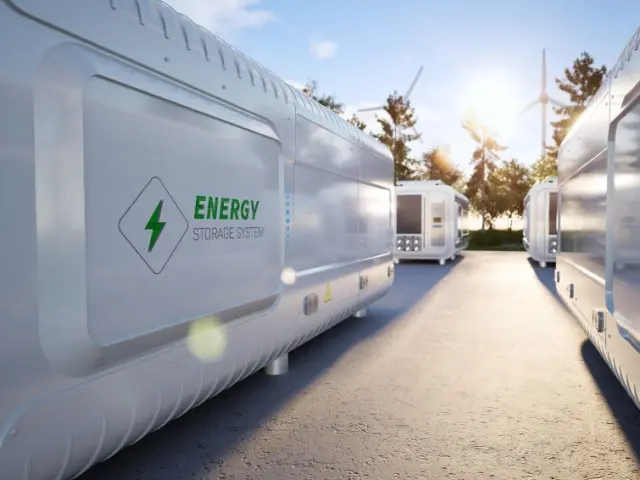
Today, according to the entity, solar energy projects combined with storage systems are already proving to be more competitive than new coal-fired plants in India and gas-fired plants in Germany.
On average, deployment costs in Asia (such as India and Australia) range between US$500 and US$700 per kW, while in the United States the average value remains above US$1.200/kW, due to tariffs applied to imported modules.
all the content of Canal Solar is protected by copyright law, and partial or total reproduction of this site in any medium is expressly prohibited. If you are interested in collaborating or reusing part of our material, please contact us by email: redacao@canalsolar.com.br.



Comments
Comments are moderated before publication.Comments should be respectful and contribute to a healthy debate. Offensive comments may be removed. The opinions expressed here are those of the authors and do not necessarily reflect the views of the author. Canal Solar.