
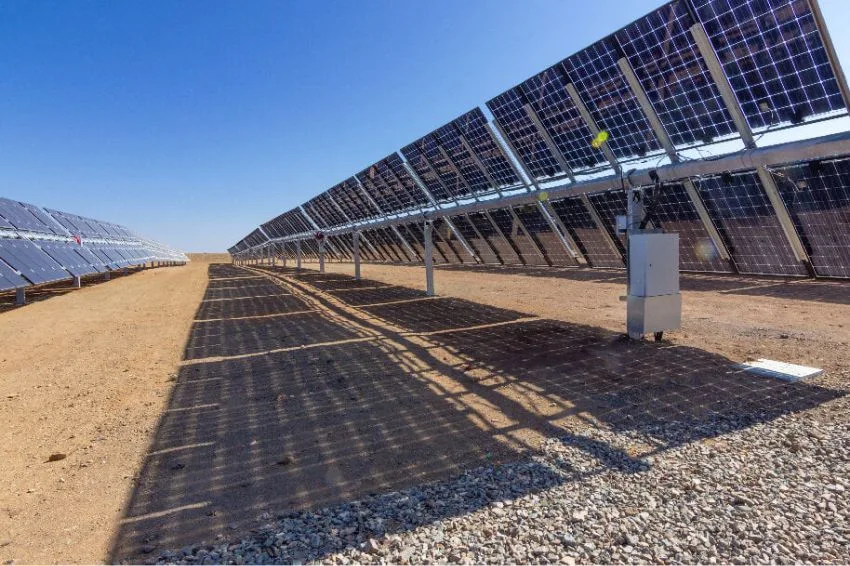
A solar energy recently surpassed the 1 TW of installed capacity worldwide, with benefits that already include the reduction of more than 300 million tons of C02According data released by GSC (Global Solar Energy Council).
Despite the numbers, the entity highlights that the total source potential Photovoltaic technology is not even close to what can still be used on the planet.
“We need to unite the global industry to tackle our common challenges, maximize deployment and deliver the solar revolution at speed, at scale and with the highest quality standards,” said Sonia Dunlop, CEO of GSC.
In the executive’s understanding, all “people around the world deserve access to solar electricity, whether on the roof of their homes or through their supplier, and no country should be left behind”, he highlighted.
Last week, another study – released by IEA (International Energy Agency, its acronym in English) – pointed out that the global investments in solar energy must exceed the US$500 billion in 2024.
A expectation of the entity, including, is that the solar energy attracts more investments this year than all other energy sources, easily surpassing investments in fossil fuels, such as coal, oil and gas, and than in clean energy, such as wind, nuclear and hydro.
New brand and strategic plan
In view of the global growth of solar sources in the world, the GCS announced, this Monday (10), the launch of its new brand and strategic vision, in order to accelerate the implementation of photovoltaic energy on the planet.
“We are intensifying our efforts to accelerate solar energy around the world. We are convinced that solar energy will be the beating heart of our clean and sustainable future”, said Máté Heisz, Chairman of the GSC Board.
As part of this renewed strategic vision, the GSC announced a series of actions in working groups focused on key areas considered essential for the future growth of the solar industry.
These workflows are a collaboration between GSC members and other companies and experts. New flows in workgroups include:
- Network integration and storage: Led by SMA Solar, this workstream aims to share best practices to increase grid capacity and flexibility to accommodate growing solar power generation, explore how technology can provide grid services, and address technical and regulatory challenges.
- Finances: Led by Jinko Solar, this workstream will develop financial solutions and structures to make solar energy investments more affordable and attractive, especially in emerging markets, involving both private sector investors and development banks.
- Supply chain: Jointly led by industry representatives from all regions of the world, this workstream focuses on strengthening the solar supply chain to ensure transparency, resilience, competition and sustainability.
- Abilities: Led in collaboration with GWO, this workstream is dedicated to building a skilled workforce capable of supporting the expansion of the solar industry.
all the content of Canal Solar is protected by copyright law, and partial or total reproduction of this site in any medium is expressly prohibited. If you are interested in collaborating or reusing part of our material, please contact us by email: redacao@canalsolar.com.br.





Comments (4)
Comments are moderated before publication.Comments should be respectful and contribute to a healthy debate. Offensive comments may be removed. The opinions expressed here are those of the authors and do not necessarily reflect the views of the author. Canal Solar.
I see with optimism the technological advancement of renewable energies, I read and watch everything about it and I believe that we are taking great strides towards a socio-economic revolution, Brazil has a great opportunity to develop its productive potential in all aspects, mainly by modernizing its industry, decarbonizing the entire productive sector and generating wealth for our country! Where a better distributed GDP is expected.
Imagine if you see the public lighting fee in the city of Pinheiro - Ma, a bill of 65,00 reais, 200 kWh per month, there is a public lighting charge of 34,00 reais, and it's cruel.
Important news about the growth of solar energy around the world: solar energy has surpassed the 1 TW mark of installed capacity. Wow.
Other relevant points are benefits that include the reduction of more than 300 million tons of C02. Significant step towards a cleaner and more sustainable economy.
I see these initiatives as fundamental to ensuring that the solar industry continues to grow and becomes more accessible for everyone. More scale and availability, new and old forms of use.
Solar energy simply does not have the potential to grow in Brazil, due to the high investment in photovoltaic equipment and also the high tax rates that the State charges from those who use solar energy. Brazil represents a setback in this type of clean energy. Instead of stimulating, the country discourages more than it stimulates