
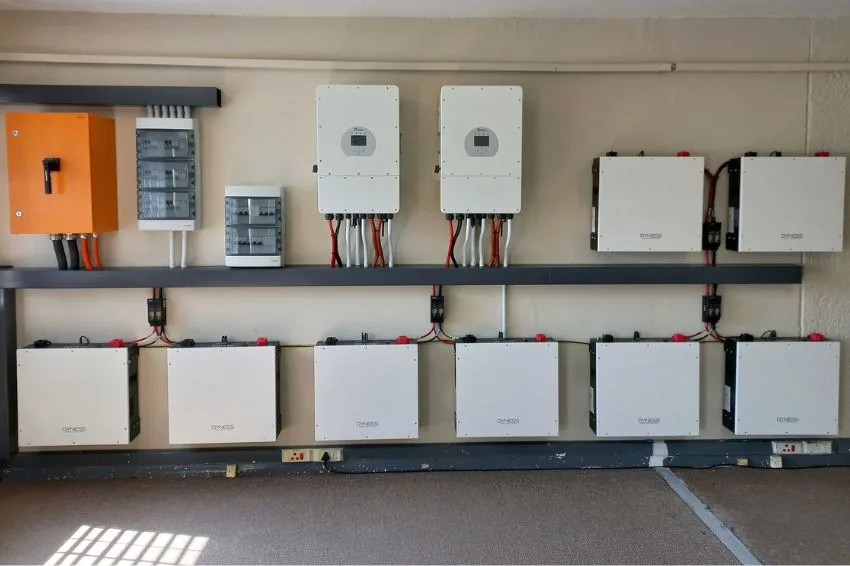
Greener released the results of its most recent study on the distributed generation market in Brazil, revealing some significant trends. Among them, the fact that 49% of survey participants stated they have hybrid systems in their portfolio, with 12% recording at least one sale of a kit containing a battery.
According to the data collected, São Paulo emerges as the leading state in number of integrators that sell hybrid systems, representing 27% of total sales in Brazil, followed by Minas Gerais, with 12%.
Adopting the combination of solar energy and batteries brings with it several advantages for consumers. In addition to the savings on the electricity bill, resulting from the reduction in the distributor's energy consumption, the battery plays a crucial role as backup, protecting consumers against power grid failures, something increasingly common in regions affected by extreme weather phenomena, such as storms and heat waves.
For Túlio Fonseca, CEO of Energy Brasil, battery systems represent a valuable alternative for those who do not have access to a permanent and reliable electricity supply, as is the case in isolated regions and rural areas.
“The use of batteries is beginning to emerge in the photovoltaic solar energy market, precisely because it allows people and companies more autonomy. This trend is due not only to consumer needs, but also to the democratization of equipment. In the last decade, for example, the average value of lithium batteries on the international market fell, on average, by around 80%”, says Fonseca.
Although hybrid systems have a higher initial cost than traditional solar systems and require more space to accommodate battery banks, the reduction in lithium-ion battery prices over the years is making this technology increasingly accessible to consumers.
According to BloombergNEF, the international price of this technology was US$780 per kWh in 2013, falling to US$139/kWh in 2023, a result of technological evolution and an increase in the scale of production.
all the content of Canal Solar is protected by copyright law, and partial or total reproduction of this site in any medium is expressly prohibited. If you are interested in collaborating or reusing part of our material, please contact us by email: redacao@canalsolar.com.br.

Comments
Comments are moderated before publication.Comments should be respectful and contribute to a healthy debate. Offensive comments may be removed. The opinions expressed here are those of the authors and do not necessarily reflect the views of the author. Canal Solar.