

In a scenario where sustainability is no longer a differentiator but has become a market requirement, companies from all sectors are looking for more efficient and transparent ways to demonstrate their commitment to the climate agenda.
One of the tools that have gained strength in this context are I-RECs (International Renewable Energy Certificates), which allow tracking and validating the consumption of electricity from clean sources.
More than a trend, the use of I-RECs has become a practical strategy to reduce greenhouse gas emissions, directly contributing to the achievement of goals ESG (environmental, social and governance) of all companies.
The certificates reinforce corporate reputation, increase the transparency of sustainable actions and generate value for customers, investors and partners. In practice, entities that adopt I-RECs demonstrate that sustainability is not just talk, but an integrated part of management.
It was with this objective that the Polar Group, which operates in the cold chain sector, decided to invest in acquiring these certificates and incorporating them into its business strategy.
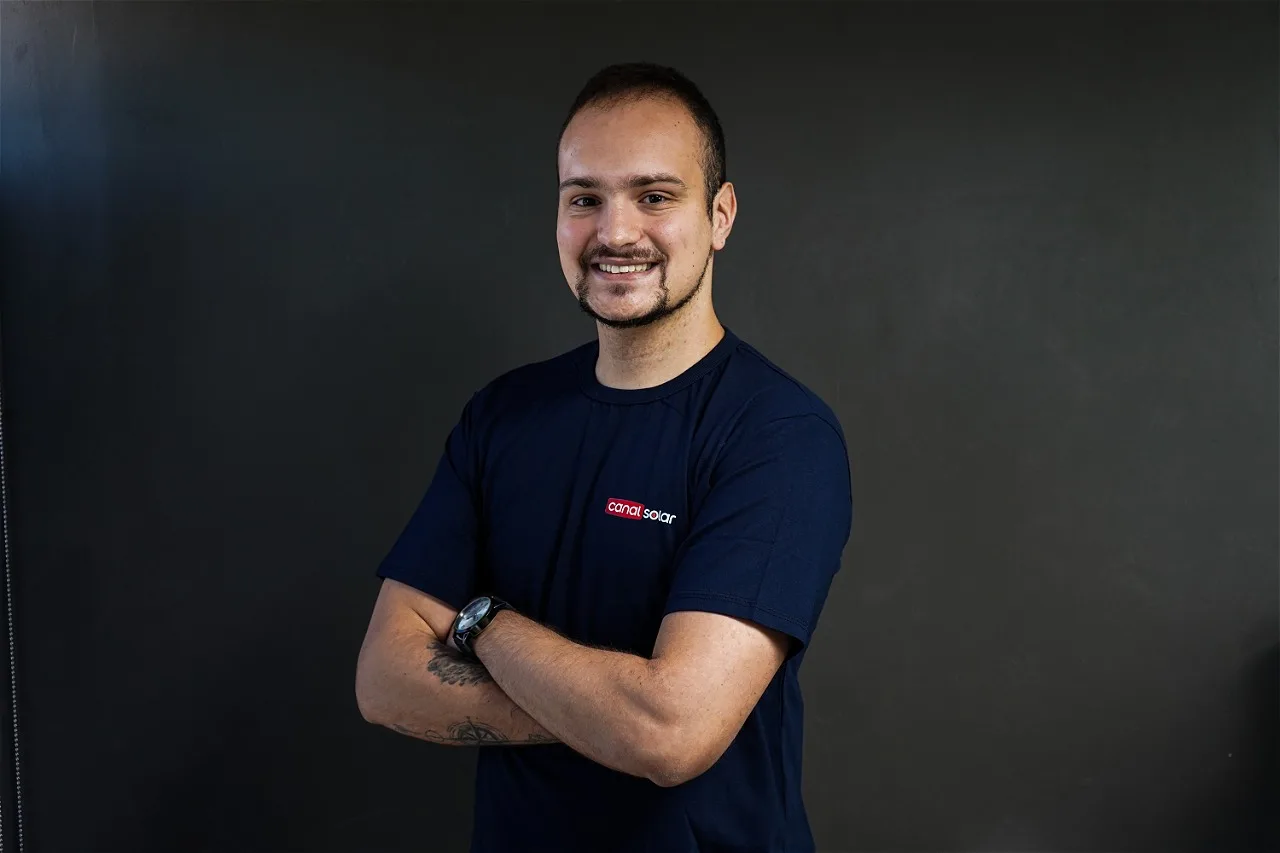
In an interview with Canal Solar, Paulo Silva, responsible for the company's socio-eco-efficiency area, detailed the step-by-step process of joining the certificates, the challenges faced during the process, the main benefits perceived and the plans to expand this initiative.
The aim of the conversation was to clarify doubts and offer a starting point for other companies that wish to follow this same path, but still do not know how to incorporate I-RECs in a strategic and accessible way into their sustainability goals.
Check out the interview below:

What led Polar Group to choose to acquire I-RECs? What were the main factors considered in the decision?
Polar Group’s main motivation for acquiring I-RECs was to reaffirm its commitment to sustainability and the reduction of greenhouse gas (GHG) emissions.
By ensuring that all energy consumed in its operations comes from renewable sources, the company neutralizes scope 2 carbon emissions associated with the consumption of electricity from external suppliers.
This initiative reinforces the organization's transparency regarding its environmental practices and directly contributes to its ESG goals.
What was the process of Polar Group joining the I-RECs like in practice? What steps did the company need to take along the way? Could you give us a step-by-step description of this process?
The process of joining the I-RECs was conducted in a structured manner and aligned with the sustainable practices already adopted by the company. The main steps were:
- Energy consumption assessment:
- We analyze our energy consumption in detail to determine the amount of I-RECs needed.
- We monitor consumption through energy supplier invoices, generate indicators and perform cross-analysis of data to ensure an accurate estimate of demand.
- Selecting an Authorized Supplier
- We researched companies certified to issue and sell I-RECs in Brazil.
- The Totum Institute is the entity responsible for registering and ensuring the traceability of certificates, in addition to accrediting authorized suppliers.
- Acquisition of certificates
- We formalize the purchase of I-RECs, ensuring that the volume acquired corresponds to the company's energy consumption in the defined period.
- This process includes verifying the origin of the certificates to ensure they come from certified renewable sources.
- Registration and monitoring
- We maintain up-to-date control of the certificates acquired to ensure full compliance with our sustainability goals.
- We continually monitor our energy consumption to ensure that our renewable energy strategy is being efficiently implemented.
With this approach, Polar Group ensures that the use of I-RECs is effectively integrated into our environmental initiatives, contributing to the transparency and credibility of our sustainability actions.
In the opinion of Grupo Polar, what are the biggest challenges faced by a company that wants to join I-RECs? Are there any regulatory or bureaucratic barriers in Brazil?
Although it is not a complex process, there are some difficulties in joining I-RECs, one of which revolves around the prices of the certificates, which can vary greatly depending on the supply and demand of the renewable energy market. At Grupo Polar, we seek to understand the market scenario at the time of acquiring the certificates and talk to companies registered on the Totum Institute platform, which is responsible for issuing and tracking I-RECs in Brazil, so that we can negotiate more fairly and transparently.
Validation of the energy generation source, audits and the need to keep detailed records can represent an obstacle for companies that are not familiar with environmental certifications. In the case of Grupo Polar, experience with certifications such as NBR ISO 14001:2015 and the GHG Emissions Inventory facilitated this process.
Although there are no regulatory barriers to the acquisition of I-RECs in Brazil, the renewable energy certificates market still lacks clearer regulations that ensure its full integration with environmental policies and carbon offset programs.
In addition to offsetting energy consumption with renewable sources, what were the benefits of acquiring I-RECs?
The adoption of renewable energy has brought benefits that go beyond reducing GHG emissions. Among the main positive impacts, we can highlight:
- Strengthening environmental transparency – Proof of renewable energy consumption strengthens the company’s credibility and its reputation in the market.
- Greater value chain engagement – Encouraging suppliers, partners and local communities to adopt more sustainable practices.
- Compliance with ESG requirements – The acquisition of I-RECs aligns with best environmental practices, representing a competitive advantage in the market.
How has joining I-RECs impacted the company's reputation among customers and partners?
Renewable energy plays a key role in the cold chain industry, which involves the storage, transportation and distribution of temperature-sensitive products such as perishable foods, medicines and vaccines.
This sector consumes a lot of electricity in equipment such as climate chambers, containers and freezers that are used to store temperature-sensitive products and supplies used in transportation, such as Ice Foam, Tech Gel and PCM refrigerants.
The adoption of I-RECs has strengthened the image of the Polar Group as a company committed to sustainability, conveying reliability to customers and business partners.
Furthermore, this initiative clearly and documentedly demonstrates that sustainability is not just a speech, but rather a strategic pillar of the organization. This stance has been valued by stakeholders and strengthens the company's competitiveness in the sector.
Has the use of I-RECs helped the company achieve ESG goals or sustainability commitments?
Yes. Proving renewable energy consumption through I-RECs has been essential for Polar Group to achieve its ESG goals, especially in reducing Scope 2 emissions. Among the main advances provided by the initiative, the following stand out:
- Reduction of CO₂ emissions: the use of renewable energy significantly reduces emissions associated with the company's electricity consumption.
- Greater compliance with international standards: the adoption of I-RECs reinforces the Polar Group's commitment to responsible environmental practices aligned with global standards.
- Strengthening corporate governance: monitoring energy consumption and demonstrating sustainable actions add value to the company's ESG strategy.
In this way, the acquisition of I-RECs goes beyond offsetting emissions, becoming a key piece in building a more sustainable and competitive business model.
Does the company intend to expand the use of I-RECs in the coming years? Are there any plans to do so?
Yes! The expansion of the use of I-RECs is in line with the growth of Grupo Polar’s operations. As the company expands its production capacity – with the acquisition of new machines, equipment and increased production shifts – its commitment to sustainability also evolves.
Our strategic plan foresees the maintenance and expansion of renewable energy consumption to accompany this expansion, ensuring that the organization's growth occurs in a responsible and sustainable manner.
In this way, we seek not only to strengthen our presence in the market, but also to reinforce our environmental commitment and the quality of service to our customers.
all the content of Canal Solar is protected by copyright law, and partial or total reproduction of this site in any medium is expressly prohibited. If you are interested in collaborating or reusing part of our material, please contact us by email: redacao@canalsolar.com.br.


Comments
Comments are moderated before publication.Comments should be respectful and contribute to a healthy debate. Offensive comments may be removed. The opinions expressed here are those of the authors and do not necessarily reflect the views of the author. Canal Solar.