
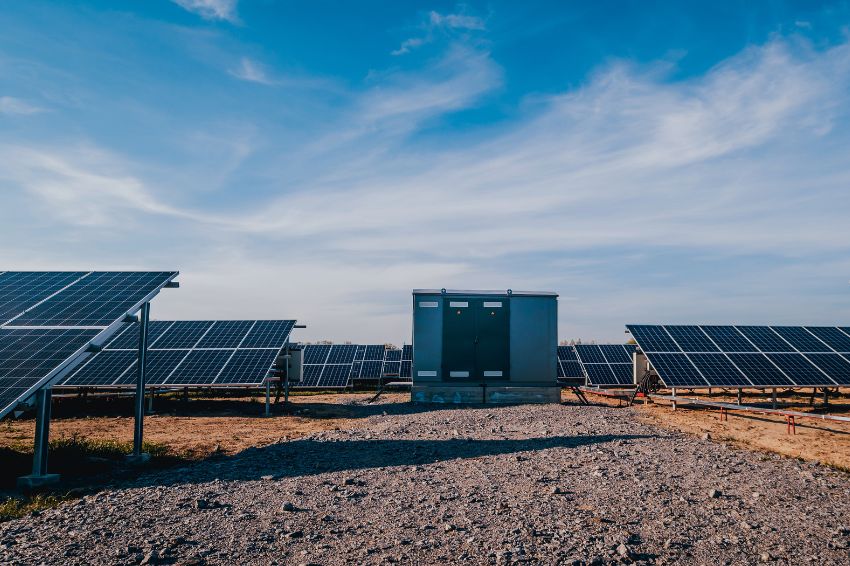
O Canal Solar spoke with equipment manufacturers, generators and integrators to find out what the outlook is for the photovoltaic market in Brazil in 2024. The players highlighted not only the expectation of economic growth, reduction in interest rates and the expansion of the Free Market, but also the consolidation of energy storage systems and hybrid inverters.
The majority of interviewees expressed optimism about the performance of the solar sector this year, after a challenging 2023 from the point of view of the restricted credit supply, drop in sales volume in the first half of the year and obstacles with distributors due to the flow reversal.
See what Genyx's Director of Institutional Relations, Bruno Catta Preta, said: “We are very optimistic about growth for the year 2024, which will be driven by several elements, such as increasing the population's awareness of climate change. The reduction in financing rates will also contribute, especially due to the downward trend in the SELIC, which reached the lowest level in November since May 2022 and the opening of the free energy market for consumers with demand above 2,3 kV”.
For Daniel Maia, CEO of Athon Energia, the GDP (Gross Domestic Product) should grow 2,5%, the basic interest rate (Selic) should reach 9-10% per year by the end of the year, and inflation should stabilize around 5%. Currently, the SELIC is at 12,25%.
On the other hand, integrator Rafael Cardoso, owner of Cardoso Soluções Energéticas, is extremely concerned about the flow reversal problem in Minas Gerais.
“My expectations for 2024 were the best possible when Cemig said it would release the access opinion again, but this week alone I have already had five projects blocked due to the reversal of flow. In other words, I have already fired 43 employees and will probably lay off 5 to 10 at the beginning of February”, he lamented.
New technology advancements in 2024
From a technological point of view, those interviewed were practically unanimous in betting on the growth of the energy storage and hybrid inverter markets.
“We believe that year after year the energy storage market is gaining traction. At the same time, batteries for energy storage require a good hybrid inverter as part of the set. We believe and are betting on this market (hybrids + batteries), which in our view may become a trend from 2024 onwards”, stated Alysson Camilo, head of Sales Distribution and Special Projects at SMA Solar.
For Catta Preta, some factors justify this optimism in relation to storage technologies, which is already a reality in places where solar energy has been used on a large scale for longer, such as Europe, USA, Australia and Japan.
“Some of the factors in the Brazilian market that contribute to an increase in the demand for “on/off grid” kits are Law 14.300, which brings the costs for using Wire B, the recent blackouts across the country and also the problems related to the inversion of flow, which begins to spread among energy concessionaires, limiting access and injection of energy into the grid”, detailed the director.
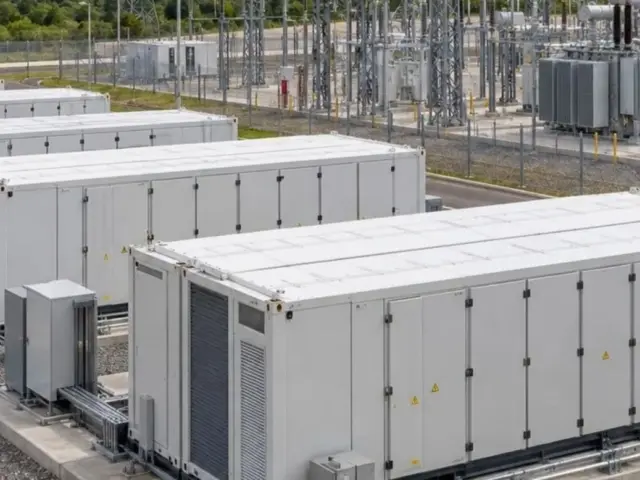
Athon, which operates in Remote GD, has plans to carry out the first project this year using BESS technology (acronym in English for Battery Energy Storage System), which will allow the company to dispatch energy at specific times.
“We are sure that this type of solution can be extremely opportune to improve energy quality in different regions and at peak times, which is why we are great supporters of the adoption of models such as Hourly Tariff and Locational Tariff”, said Maia.
According to experts, the solar energy market should present growth opportunities due to the incentives still in place for renewable sources, both in centralized and distributed generation. This is because the cost of implementing plants has fallen significantly.
“At the same time, the cost of battery and storage systems around the world has fallen a lot, around 40% in the last 12 months, according to Chinese manufacturers we have quoted. Although Brazil is still in its infancy on this front, we are sure that the path taken by Brazil towards clean energy and, consequently, intermittent sources with less environmental impact, will require major investment in complementary solutions for the resilience of the Brazilian electrical system”, he pointed out. the CEO of Athon.
What opportunities and obstacles may arise in the market in 2024?
Catta Pretta, director of Genyx, said that he sees it as an opportunity to opening of the Free Energy Market for all small and medium-sized consumers connected to medium and high voltage (Group A), as this movement could lead to an increase in demand for solar energy.
Furthermore, the need for global decarbonization and the advancement of green hydrogen are also factors that can contribute to this market growth.
“But in addition to the opportunities, we may still encounter some obstacles along the way, as has happened through some obstacles established by the concessionaires, which made it impossible to connect some projects. For example, we had denials in access opinions alleging a reversal of flow”, recalled the executive.
According to the head of sales at SMA Solar, it is also important to pay attention to the behavior of interest rates, as if they do not fall, this could represent an obstacle in 2024.
Strategic plans for 2024
Alysson Camilo said that SMA intends to continue with its strategy of working with premium products, even though the market is governed by low prices to the detriment of the quality of the equipment.
The company intends to hold closed events to showcase the qualities and importance of using a premium product in projects. “As we work with premium products, we increasingly have to reach customers who seek and care more about quality, robustness and greater safety.”
Athon Energia said it ended last year with 110 MWp of installed capacity, with a presence in the states of Bahia, Goiás, Mato Grosso do Sul, Maranhão, Pará, Minas Gerais and Rio de Janeiro. The forecast is to double the installed power, reaching 250 MWp.
Athon's strategy is to invest in organic expansion and through acquisitions of new operational plants. The company announced in the first days of this year the purchase of 13 plants from root and RGD Solar, which together have a combined capacity of 50,44 MWp. With this, the company has already reached the 160 MWp mark.
“Our focus has always been on offering large commercial customers smart, ecological and economical solutions. We always sign long-term contracts, more than 10 years, and in 2023 we are happy to continue growing the number of customers and, mainly, expanding with them who have been with us since our foundation”, said Maia. “In total, we should end 2024 having accumulated investments in clean energy assets of more than R$1 billion”, he added.
Genyx is committed to the Free Energy Market and plans to present new products and solutions to strengthen its portfolio.
all the content of Canal Solar is protected by copyright law, and partial or total reproduction of this site in any medium is expressly prohibited. If you are interested in collaborating or reusing part of our material, please contact us by email: redacao@canalsolar.com.br.


Comments (1)
Comments are moderated before publication.Comments should be respectful and contribute to a healthy debate. Offensive comments may be removed. The opinions expressed here are those of the authors and do not necessarily reflect the views of the author. Canal Solar.
In reality, they are not seeing that from 2024 onwards, with the price of hybrid inverters slightly above on-grid ones, they should only sell the hybrid to already start selling BESS, which will be the trend towards energy security, which everyone needs, even if only a portion will be able to acquire it, but LFP and sodium batteries should arrive to ease the price, thus avoiding unnecessary retrofitting in 2 to 3 years...
It's just that in Brazil we are always 8 to 12 years behind, just seeing ReN 482 is from 2012 and we are nowhere near the 200 GW installed, which should be reached before 14.300 (in my point of view).
Was there a lack of proper disclosure? Was there a lack of incentives? In fact, a mix associated with a lot of money (trillions in monthly invoices) that, whether you like it or not, affects the pockets of tax collectors and tariff components...