
Brazil surpassed the mark of 5 GW of installed power from solar sources this Friday (17), adding the GC (centralized generation) and GD (distributed generation). This amount is equivalent to 8,4% of the country's electricity matrix.
The survey was carried out by ABSOLAR (Brazilian Photovoltaic Solar Energy Association). According to the entity, this volume of installed power from the solar source has already brought Brazil more than R$ 90,5 billion in new investments, R$ 24,6 billion in public coffers and generated more than 514 thousand jobs accumulated since 2012.
To Rodrigo SauaiaCEO of ABSOLAR, the advancement of solar energy in the country, via large plants and self-generation in homes, small businesses, rural properties and public buildings, is fundamental for the economic, social and environmental development of Brazil.
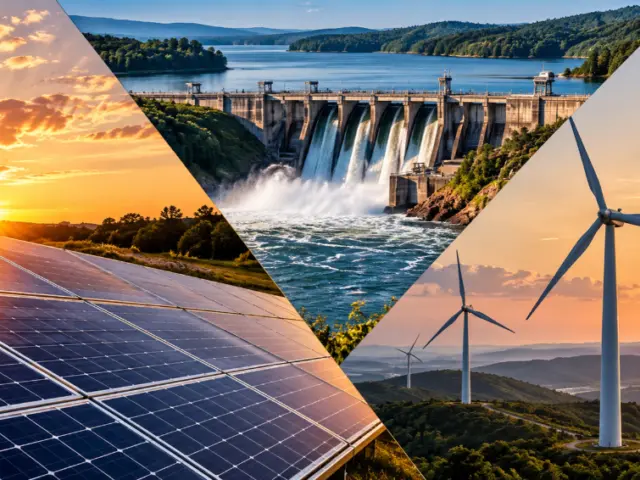
“The source helps to diversify the country’s electricity supply, reducing pressure on water resources and the risk of further increases in the population’s electricity bills”, he comments.
“Large solar plants generate electricity at prices up to ten times lower than emergency fossil thermoelectric plants or electricity imported from neighboring countries, two of the main factors responsible for the tariff increase on consumers”, adds Sauaia.
Brazil has approximately 5,3 GW of installed capacity in large-scale solar plants. Since 2012, large solar plants have brought more than R$27,3 billion in new investments to Brazil and created more than 158 jobs, in addition to generating R$8,7 billion in revenue for the public coffers.
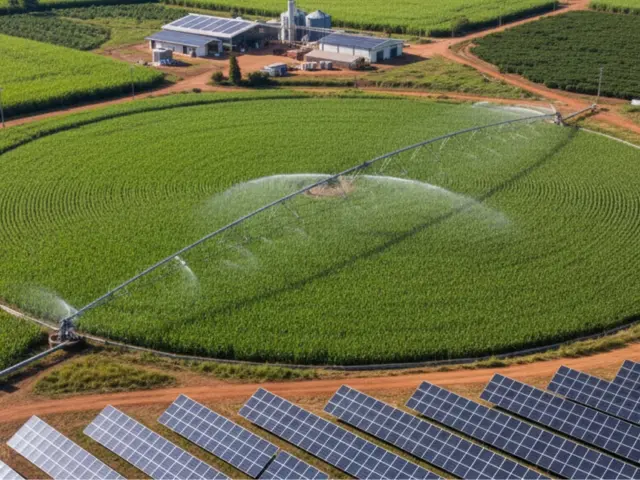
In the self-generation segment, there are more than 11,9 GW of installed power from solar sources. This is equivalent to more than R$63 billion in investments, R$15,9 billion in revenue and more than 356 thousand jobs accumulated since 2012, spread across the five regions of Brazil. Solar technology is currently used in 98% of all self-generation connections in the country, leading the segment by a wide margin.
When the installed capacities of large plants and self-generation of energy are added together, the solar source occupies third place in the Brazilian electricity matrix, ahead of thermoelectric plants powered by natural gas and biomass.
Second Ronaldo Koloszuk, Chairman of the Board of Directors of ABSOLARIn addition to being competitive and affordable, solar energy is quick to install and helps ease consumers’ pockets, reducing their electricity costs by up to 90%. “Competitive and clean electricity is essential for the country to recover its economy and achieve growth. Solar energy is part of this important solution,” he concludes.



Comments
Comments are moderated before publication.Comments should be respectful and contribute to a healthy debate. Offensive comments may be removed. The opinions expressed here are those of the authors and do not necessarily reflect the views of the author. Canal Solar.