
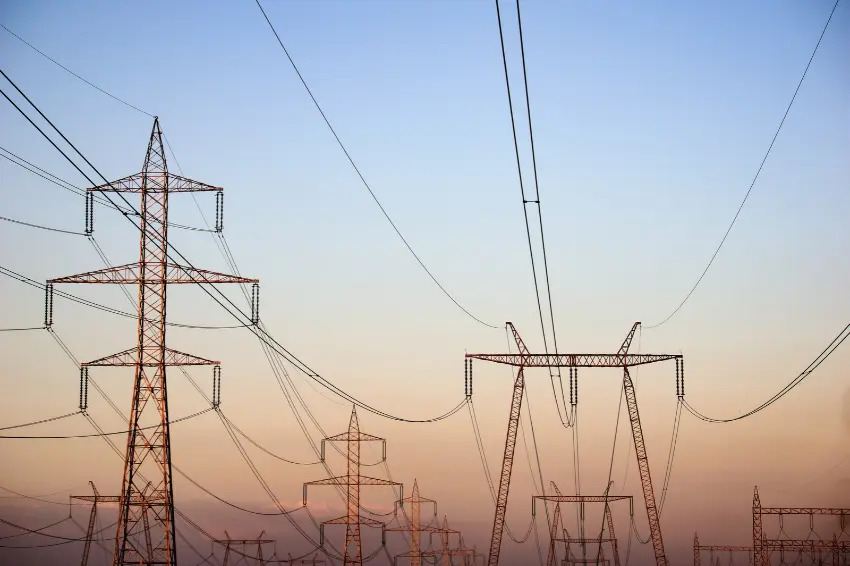
Annual investments to strengthen infrastructure and increase the flexibility of electricity grids need to rise from US$500 billion in 2025 to approximately US$1 trillion by 2035. After that period, the need reaches US$1,2 trillion per year, according to IRENA (International Renewable Energy Agency).
The expansion of resources is necessary to keep pace with the advancement of electrification and integrate more renewable generation. According to the agency, approximately 2.500 GW of solar and wind capacity are awaiting connection to grids worldwide.
"In many regions, network infrastructure and flexibility have become a critical bottleneck," IRENA states, in a free translation.
According to the institution, countries need to invest simultaneously in networks, storage, and system flexibility to ensure a reliable, secure, and affordable supply in the face of growing demand.
This need is accompanied by a transformation in energy consumption. According to the agency, electricity currently accounts for 23% of global final consumption. In IRENA's revised scenario, aligned with limiting global warming to 1,5°C, this share reaches 35% in 2035 and exceeds 50% in 2050.
The movement involves replacing fuels with electricity in activities such as transportation, industrial processes, and building climate control.
To meet the projected demand in this scenario, renewable sources need to increase their share of global electricity generation from 31,7% in 2024 to approximately 78% in 2035.
This percentage corresponds to approximately 2,5 times the share recorded in 2024, when these sources produced 9.836 TWh, according to data presented by IRENA.
The agency emphasizes that the global goals of tripling renewable generation capacity and doubling the pace of energy efficiency improvements by 2030 remain essential. However, it assesses that these measures, in isolation, are insufficient to enable the energy transition.
"Electrification is a reliable long-term solution in a wide variety of scenarios," the institution states, in a free translation.
According to IRENA, electrification, combined with energy efficiency, could account for approximately one third of the cumulative reductions in CO₂ emissions between 2026 and 2050.
Each sector advances at its own pace.
Electrification projections vary by sector. In buildings, which account for the highest percentage of electricity in energy consumption, the percentage is expected to reach 55% in 2035 and exceed 75% in 2050.
According to IRENA, this growth will be driven by heat pumps, electric cooking equipment, and the demand for refrigeration.
In industry, the projected market share is approximately 35% in 2035 and over 40% in 2050. This trajectory includes the electrification of processes that utilize low and medium temperature heat. Green hydrogen, in turn, contributes to decarbonizing segments where emissions reduction is difficult.
Transportation starts with a share of only 1%, but shows the fastest growth among the sectors analyzed. According to the agency's scenario, electricity will reach 15% of the sector's energy consumption in 2035 and exceed 45% in 2050, with the expansion of light vehicles and electric buses.
Projections indicate that the share of electricity in final energy consumption in G20 countries could increase from 25% in 2023 to 37% in 2035. In other economies, the projected increase is from 18% to 28% over the same period.
all the content of Canal Solar is protected by copyright law, and partial or total reproduction of this site in any medium is expressly prohibited. If you are interested in collaborating or reusing part of our material, please contact us by email: redacao@canalsolar.com.br.

Comments
Comments are moderated before publication.Comments should be respectful and contribute to a healthy debate. Offensive comments may be removed. The opinions expressed here are those of the authors and do not necessarily reflect the views of the author. Canal Solar.