

The main obstacle to advancing the energy transition in national industry is not cost or technology, but a lack of knowledge about the benefits and opportunities.
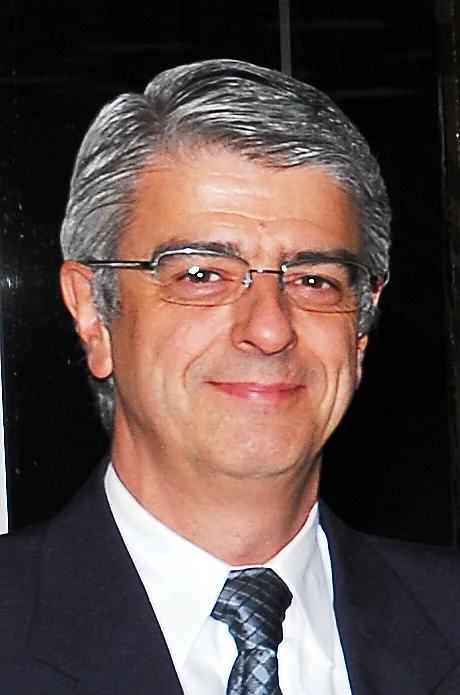
The assessment comes from Camila Ramos, CEO of CELA (Clean Energy Latin America), who has just taken up a position on the board of the Energy Division of the Infrastructure Department at Fiesp (Federation of Industries of the State of São Paulo).
In an interview with Canal Solar, she explained, shows that there is a significant information gap among companies about how the transition can reduce costs, increase competitiveness, and improve environmental positioning through decarbonization.
For Camila, the widespread organization of technical events, sectoral meetings, and discussion forums, such as those already held by FIESP, is vital to breaking down this barrier, by promoting contact with experts and trends, as well as addressing not only technology, but also economic viability and new business models.
Solar energy
Camila sees a wide horizon of opportunities for the industry in São Paulo, especially in solar energy, noting the great potential for radiation available in the state.
For her, self-generation and self-production projects are interesting paths for the industrial electricity matrix. She emphasizes that the distributed generation sector continues to grow due to its competitiveness, but reinforces that regulatory stability is fundamental to maintaining this pace.
Driven by data centers, self-production leads solar and wind contracts in the free market
In addition to solar, the director cites boiler electrification, the use of low-carbon hydrogen, and energy storage as growing trends.
In the case of batteries, it identifies immediate economic viability for industries seeking to migrate between different tariff bands (such as from blue to green) through peak shaving and load shifting strategies.
Biogas
In the area of bioenergy, Camila Ramos highlights the enormous growth potential of biogas derived from sugarcane waste.
She explains that, although the sugarcane and energy sector is currently experiencing a cycle more focused on sugar production due to more favorable international prices, the use of waste for biomethane is advancing rapidly. The emergence of credits specifically aimed at this type of energy has encouraged the development of a promising market.
Enhancement
Regarding legislative issues, the executive argues that Brazil needs to advance in the regulation of energy storage. Currently, the country still lacks rules for the remuneration of ancillary services provided by batteries, which limits the viability of projects that are already common in other markets.
Camila reiterates that the most important thing is for the sector to have clear and stable rules so that companies can plan their energy transition investments safely.
Trajectory
Camila Ramos has assumed the directorship of Deinfra, continuing her two years of work as a member of the COINFRA (Superior Council of Infrastructure). FIESP.
With over 20 years of experience in the renewable energy sector, she is the founder and CEO of... CELA (Clean Energy Latin America), a consulting firm specializing in financial advisory and strategic consulting that has already enabled approximately R$ 50 billion in clean energy projects in Brazil.
In addition to her work at FIESP, Camila is vice-president of ABSOLAR (Brazilian Photovoltaic Solar Energy Association) and member of the UN Global Compact (United Nations).
all the content of Canal Solar is protected by copyright law, and partial or total reproduction of this site in any medium is expressly prohibited. If you are interested in collaborating or reusing part of our material, please contact us by email: redacao@canalsolar.com.br.



Comments
Comments are moderated before publication.Comments should be respectful and contribute to a healthy debate. Offensive comments may be removed. The opinions expressed here are those of the authors and do not necessarily reflect the views of the author. Canal Solar.