

Enacted on December 26, 2025, Complementary Law No. 224/2025 represents a turning point in the Presumed Profit regime, affecting approximately 1,5 million companies — especially those with annual revenue between R$ 5 million and R$ 78 million.
The law does not eliminate the system, but creates a burdensome progression: a 10% increase in the presumed profit percentages applicable exclusively to those who invoice more than R$ 5 million annually.
In practice, a commercial company that previously calculated corporate income tax (IRPJ) on 32% of its revenue will now calculate it on 35,2% of the portion exceeding that limit.
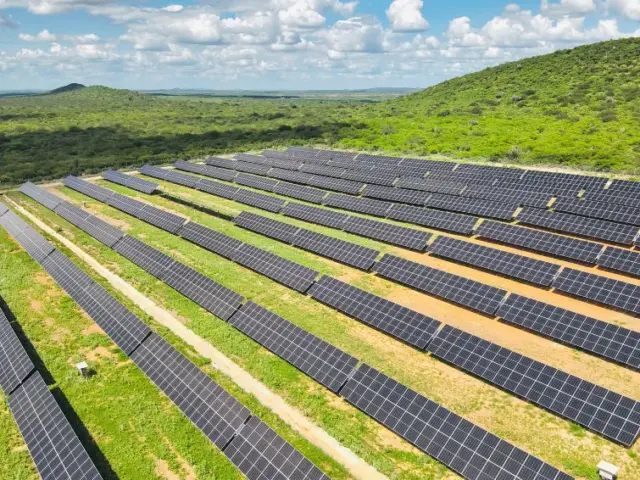
The Presumed Profit regime is commonly used by companies that own power generation assets, justified by the operating margin that exceeds the presumed tax base, given that expenses and costs are limited in this type of operation.
It turns out that this tax increase, introduced by Complementary Law No. 224/2025 It is riddled with flaws, as it treats the regime as a tax benefit – which it is not, offending the principle of equality and free competition, placing taxpayers with the same ability to pay in an unequal commercial position.
This illegality is already being challenged in federal court, with preliminary injunctions being obtained in favor of taxpayers.
Given the numerous difficulties the energy sector has faced, particularly the renewable energy sector, with various regulatory changes and a lack of tax incentives to encourage the development of clean and sustainable sources, the increase in the Presumed Profit tax regime further reduces net profit margins at a time when the real economy is competing with extremely high interest rates that are not expected to decrease.
Thus, for taxpayers tired and harmed by the government's hunger for revenue, the only option is to take the matter to court, in an attempt to demonstrate that companies can no longer bear paying for uncontrolled public spending through unconstitutional legislative innovations, such as the increase in Presumed Profit.
The opinions and information expressed are the sole responsibility of the author and do not necessarily represent the official position of the author. Canal Solar.

Comments
Comments are moderated before publication.Comments should be respectful and contribute to a healthy debate. Offensive comments may be removed. The opinions expressed here are those of the authors and do not necessarily reflect the views of the author. Canal Solar.