
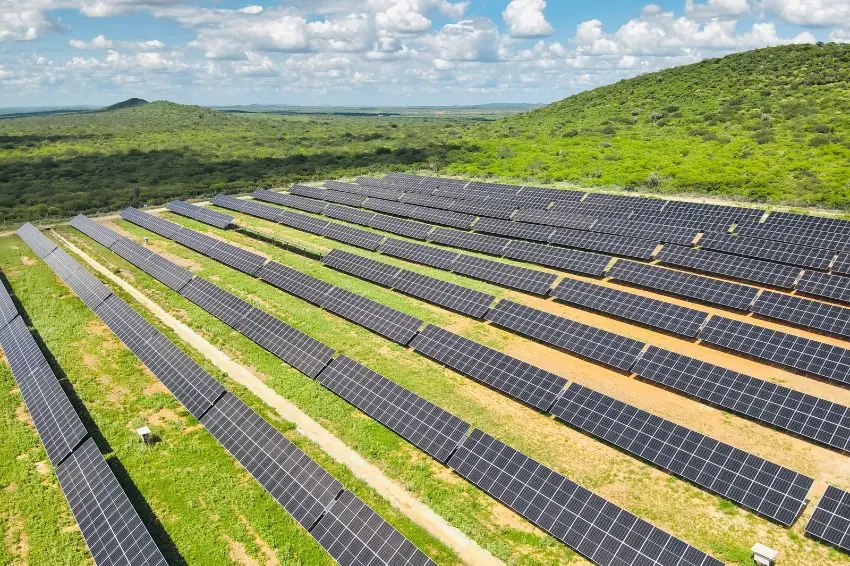
Shared distributed generation is no longer a niche market. Consortia, cooperatives, and associations now bring together thousands of consumers around remote distributed generation plants, almost always solar-powered, that inject energy into the distributor's grid and convert it into credits deducted from each participant's bill. It is a model that has democratized access to clean energy and enabled significant investments throughout the country.
However, there is an undue cost embedded in the bills of these participants: the collection of PIS and COFINS taxes on energy that was generated by the regulatory arrangement itself and only offset by the distributor, without representing effective revenue for the latter.
How the charge works
In the SCEE (Electric Energy Compensation System) established by Law No. 14.300/2022, the energy generated by the power plant is injected into the grid and then offset against the consumption of participating units. The consumer theoretically pays only the difference between what they consumed and what was offset.
In practice, when the consumer units in the arrangement have different owners, a typical situation in shared generation, many distributors calculate PIS and COFINS taxes on the total consumption of the unit, and not just on the difference in injected energy.
The compensated energy, which is simply energy from the system itself, ends up being included in the calculation base for the contributions passed on in the bill.
A simple example illustrates the effect. A unit consumes 100 kWh and offsets 70 kWh. 30 kWh are billed, but the contributions are based on 100. The taxable base is more than three times greater than the energy actually purchased from the distributor, and this is repeated month after month for each consumer unit in the arrangement.
Why the charge is questionable.
Without anticipating the line of argument adopted, it is possible to affirm that the charge finds no consistent support in tax legislation, in the legal framework of distributed generation, nor in the technical understanding of the regulated sector itself. The compensated portion does not represent the distributor's remuneration for a sale of energy, and there are solid tax, regulatory, and consumer-related grounds to reject the charge and recover what was paid.
The issue gained new momentum in September 2026, when the Federal Revenue Service published Ruling Cosit No. 168/2026, recognizing the zero rate of PIS and COFINS on energy compensated in shared generation arrangements when there is a transfer of account ownership to the consumer-generator. The tax authorities themselves, therefore, acknowledge that the compensated portion should not be taxed.
However, this understanding leaves out the vast majority of arrangements, in which participants remain the owners of their own units, and it is precisely in these cases that the illegal charge persists and that the response given to the consultation solution does not have the power to eliminate.
A window that is closing.
This situation demands attention for three reasons:
- PIS and COFINS will cease to exist on January 1, 2027, replaced by CBS. However, the right to recover what was unduly charged remains—limited to the last five years. For each month without action, one month of credit is lost.
- The specific legal benefit will also be revoked with the tax reform, which makes it even more relevant to define, from now on, the potential amount to be recovered until 2026.
- The new taxation does not solve the problem. The CBS and IBS regulations restricted the possibility of excluding compensated energy from the tax base to shared generation, opening a new front for discussion starting in 2027.
A warning to managers and investors in shared generation.
The cash flow scenario in the sector is well known to those who operate within it: increased generation tariffs (demand), defaults and turnover of participants, operating and maintenance costs, cost of capital and, from 2027 onwards, a tax burden that is still being defined, but certainly higher than the current one.
In this context, the PIS and COFINS taxes levied on compensated energy are not a minor detail. They erode, every month, the economics that sustains the model: they reduce the discount effectively received by the participant, put pressure on the manager's margin and, ultimately, on the remuneration of the power plant owner.
Consortium, cooperative, and association managers, as well as power plant owners, now have a concrete opportunity to replenish their cash reserves—by halting improper charges from now on and seeking restitution of amounts paid over the past five years, with interest.
The first step is simple: a diagnosis of the invoices from the participating units, verifying the non-compensation of PIS and COFINS taxes and quantifying the amount involved. The Tribuci Fonseca Advogados team has been working in tax litigation and structuring renewable energy projects for over two decades and is available to conduct this assessment and define the best strategy for each arrangement.
Contact us: www.tribuci.com.br
The opinions and information expressed are the sole responsibility of the author and do not necessarily represent the official position of the author. Canal Solar.


Comments
Comments are moderated before publication.Comments should be respectful and contribute to a healthy debate. Offensive comments may be removed. The opinions expressed here are those of the authors and do not necessarily reflect the views of the author. Canal Solar.