
Article published in Magazine Canal Solar – Vol. 7, No. 5 October/2026
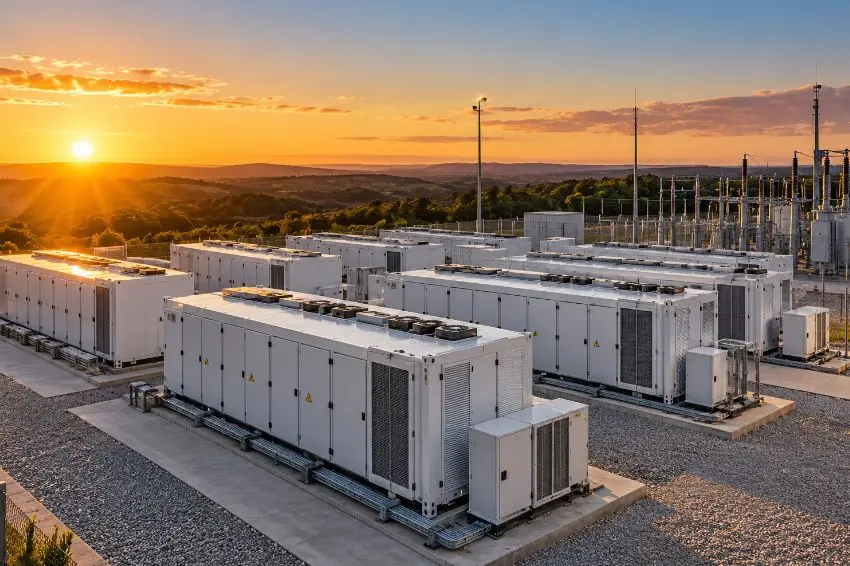
The country's first battery auction received 6.091 registered projects, totaling approximately 297 GW of power.
It's a volume that doesn't fit into any hiring scenario and that says a lot about the current moment: investors from all over the world want a place in the new frontier of the Brazilian electricity system, flexibility.
The dates are set: December 2nd and 4th, 2026. It's a milestone, and the sector has reason to celebrate. But the perspective I present in this article is different. The auction will create a market for the few.
For most business owners, the battery market already exists; it's inside the meter and doesn't depend on any bidding process. And the regulatory changes coming will make it even bigger.
The auction is important, but it's a game for big players.
The bidding process was finalized in 2026. Decree No. 136 of the Ministry of Mines and Energy (MME), issued in June, created two auctions in sequence.
On December 2nd, the LRCAP National Storage event will take place, requiring national content proven by accreditation from BNDES (National Bank for Economic and Social Development).
Two days later comes the open auction, without that requirement, which contracts the remaining volume. ANEEL (The National Electric Energy Agency), also in June, finalized the storage tariff rule after nearly three years of public consultation.
The two main obstacles hindering the process have been resolved. The rules reflect the scale of the project. Each project must have a minimum capacity of 30 MW.
The battery must deliver 4 hours of discharge at maximum power, up to two cycles per day, with a full recharge in up to 6 hours and a minimum efficiency of 85% in the complete cycle.
Click here to download the magazine and read the full article.
The opinions and information expressed are the sole responsibility of the author and do not necessarily represent the official position of the author. Canal Solar.


Comments
Comments are moderated before publication.Comments should be respectful and contribute to a healthy debate. Offensive comments may be removed. The opinions expressed here are those of the authors and do not necessarily reflect the views of the author. Canal Solar.