
A Photovoltaics applied to industry does not affect production processes, nor does it create any type of incompatibility with any sector of industrial activity.
The success of this type of installation in industries and factories is based on the fact that they carry out most of their activity during the day. And it is at these times that there is greater energy consumption, which coincides in time with the greatest solar production from the panels of the photovoltaic installation.
In this way, a photovoltaic installation in a factory maximizes its performance. During the day, the energy produced by solar panels almost completely covers the highest level of consumption which also occurs during this period.
However, we must not forget that the possibility of having solar production during all hours of the day is determined by the orientation and inclination of the solar panels, factors that must be taken into consideration before carrying out the installation.
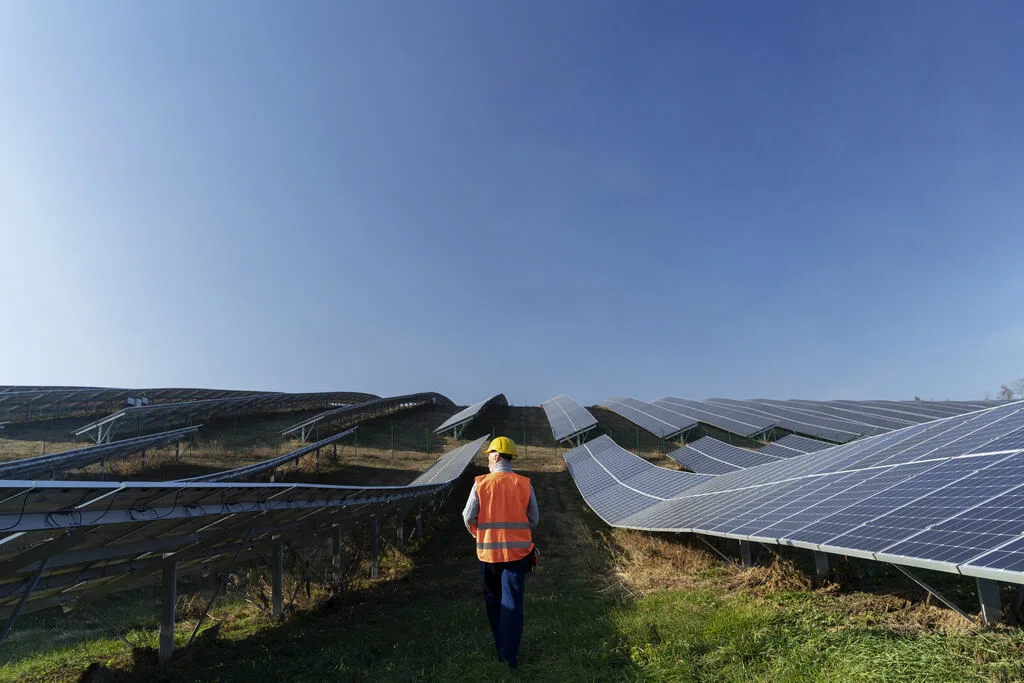
Factories are often located in warehouses or large spaces that offer a significant footprint for placing solar panels on their roofs.
O consumption of a factory using solar energy can generate a savings of up to 50% on your electricity bill.
Some calculations say that the installation is amortized between 3 and 7 years and the solar panels will continue to produce energy during their useful life of 25 years.
Factories without CO2 emissions
There is a growing interest on the part of the industry to evolve towards a more efficient and sustainable energy model that keep away from environmental pollution.
For this reason, more and more factories and industries are opting for reduce your carbon footprint introducing solar energy in your activity. Thanks to this, the annual emission of tons of CO2 into the atmosphere is avoided, ensuring the continuity of industrial activity.
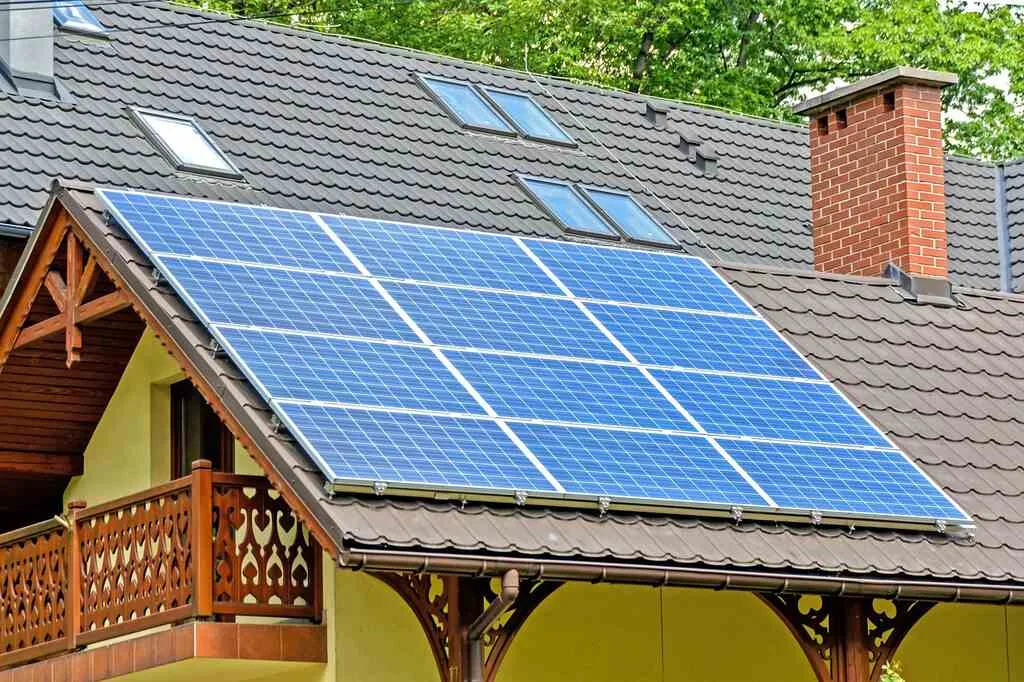
It is important to highlight that when changing the type of energy supply, it will not be necessary to modify the factory's routine activities or require extra space of any kind. It will only be necessary to convert the roof of the structure, which is normally not used for anything, into a complete electrical production center.
Industry activity hours: the key to the economy
Energy from industrial photovoltaic self-consumption is very effective, as it reduces the energy costs of any industry. The time of industrial activity is a key factor in calculating the profitability that photovoltaic energy can generate in this sector.
Most factories carry out a large part of their activity during the day, that is, the greatest workload and, therefore, the greatest energy consumption coincides with the greatest solar production from the panels.
Thanks to this type of concentrated energy demand during the day, the factory's electricity consumption can be made by painéis solares with great performance. This translates into greater savings for the company and, in turn, greater competitiveness and better prices.
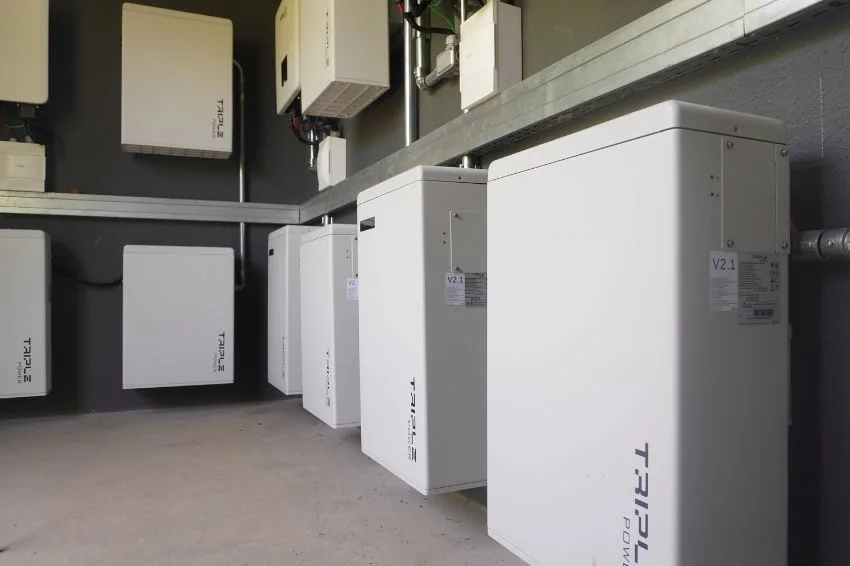
But, photovoltaic energy also offers savings during hours when there is no light, thanks to charge storage systems, through which, if all the photovoltaic energy is not consumed during the day, allow the battery system to be charged so that it works during times when there is no light or solar radiation.
Furthermore, the potential profitability of photovoltaic energy in industry not only refers to not using electrical energy from the grid for industrial processes, but there are also other benefits, such as tax advantages, that accompany the use of renewable energy in industry, the independence from price changes per KW from electricity companies or the possibility of receiving compensation for the production of surplus energy that is not used.
Benefits of installing solar panels in a factory
As we have seen, the benefits of installing solar panels in a factory are many and varied. Let’s look at some of the most important ones:
- Flexibility: a photovoltaic installation can be fully adapted to the size of the industry, whether it is connected to the electricity grid or operates independently;
- Ease of installation: Carrying out a photovoltaic installation takes just a few days. Furthermore, most of the work is carried out on the roof of warehouses and buildings, which facilitates the continuity of the production process during installation;
- Scalability: photovoltaic installations are scalable, which means that we can start with an initial installation and grow little by little depending on the energy needs of our industry;
- Quick repayment: photovoltaic installations are amortized between 3 and 7 years depending on the type and size of the installation, as well as the quality of the technology used and the hours of light in the location;
- Long Term Warranty: Most modules offer warranties of up to 25 years.
- Maintenance: Maintenance of industrial photovoltaic installations is minimal, only one per year is required to check that everything works correctly;
- Tax advantages: subsidies for the installation of renewable energy in industries;
- Better positioning in relation to competitors: In short, having a better image, a reduction in environmental impact and a reduction in costs means that your industry is better positioned in relation to the competition to obtain better results.
Solar panels and home automation
If you are thinking about installing solar panels in your company, know that they can be great allies for home automation, as these integrated systems can be controlled by your smartphone, allowing you to control doors, windows, security and air conditioning systems, through any type of network connected to the internet.
Through it, the user has full and remote access to the factory's production and consumption of electrical energy.
Do you want to stay out or enter the world of technology while saving money and protecting the environment?

Comments (1)
Comments are moderated before publication.Comments should be respectful and contribute to a healthy debate. Offensive comments may be removed. The opinions expressed here are those of the authors and do not necessarily reflect the views of the author. Canal Solar.
More efficient and sustainable energy model.