
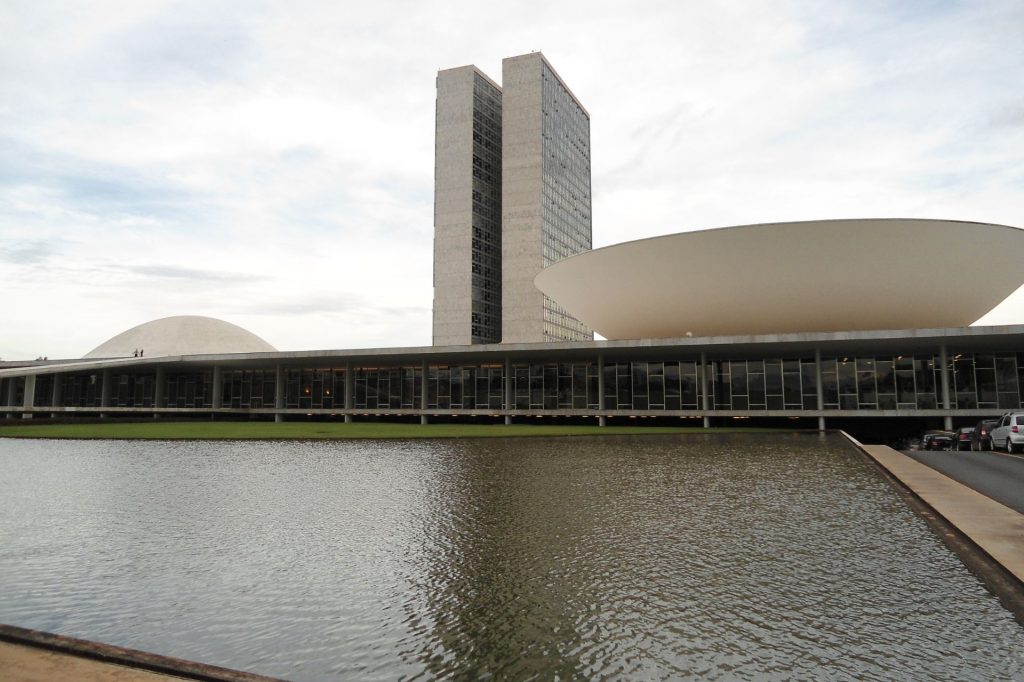
The processing of the Bill No. 2.703/2022, authored by federal deputy Celso Russomanno (Republicans/SP), has aroused enthusiasm in the distributed micro and mini generation sector, as it intends to promote sensitive changes in the Law 14.300 / 22.
When Law 14.300/22 was published in January 2022, provisions were made transition rules for the enjoyment of vested right à 100% compensation of active energy injected into the distribution network distributed micro or minigeneration systems.
This meant that incoming generation systems would have to request access to the distribution network by January 6, 2023, with certain construction deadlines having to be met.
From the issuance of the access opinion and/or the connection budget, the deadline to start the energy injection would be:
- 120 days for microgeneration, regardless of the source;
- 12 months for solar source minigeneration; and
- 30 months for mini-generators from other sources.
Thus, the PL 2.703/2022 aims to extend this deadline for requesting access to distributed micro and mini-generation plants until January 2024. The measure, however, has negative and positive aspects, like any legislative proposal that opposes sectoral interests.
Considering that distributed generation systems with a 100% acquired right to compensation do not have a specific charge to cover the tariff subsidy, such as the CDE (Energy Development Account)*, increasing the period for enjoyment of the acquired right would be equivalent to passing on more costs to the distributors' tariff structure, which Law 14.300/22 aimed to avoid.
Conversely, it is necessary to see that although Law 14.300/22 provided for other changes in the modeling of micro and mini distributed generation, which should have been regulated by ANEEL within 180 days of the publication of the Law, the regulatory agency only determined the opening of the Public Consultation No. 51/2022 on November 1, 2022.
This delay in regulating the matter ended up being used by distributors as a factor in impeding the processing of access requests from agents holding distributed micro- or mini-generation systems, resulting in requests being rejected or processes being suspended until the regulatory agency's response came.
An example of this is in the treatment of directing the connection of micro or minigeneration, when overload of the distribution network is identified at the connection point intended by the generating agent.
The proposed regulation of ANEEL in Public Consultation No. 51/2022 is to make the device regime for directing to low or medium voltage more flexible, also allowing the distributor to change the connection point or even limit the injection of energy. With this, the ANEEL would bring even more freedom to the treatment of the problem in relation to the alternatives brought today by REN 1.000/21.
However, until regulation on the matter comes into force, discussions about the impossibility of connecting the generating plant have suspended or caused the rejection of access requests.
Despite the ANEEL make efforts to resolve these disputes, some of which were unduly caused by distributors, the delay in finding a final solution to these problems can result in real losses to those requesting access to distributed micro or minigeneration.
This is because the deadline for connecting the generating plant for the purposes of inclusion in a more beneficial tariff regime is established by law, with no regulatory competence of the ANEEL to change it and/or increase it.
In cases where the process of requesting access and/or a budget for connecting distributed generation plants is unduly rejected by the distributor – and, therefore, the requirements of Law 14.300/22 for the enjoyment of the acquired right are not met – there will be no legal margin for the ANEEL restore the deadlines for the agent's access request referred to in Article 26 of the Law. The solution, in these cases, will be to resort to the Judiciary.
At the end of the day, the calculations that must be made in relation to the sanction of Bill No. 2.703/2022 must contrast the cost of judicializing these access requests and the cost of subsidizing more distributed generation systems with acquired rights to 100% of compensation. From a legal security perspective, it was already clear that the country's bureaucracies would not follow the Law's deadlines.
Note: According to art. 25 of Law 14.300/22, the CDE “will temporarily cover the tariff components not associated with the cost of energy and not remunerated by the consumer-generator, levied on electrical energy compensated by the consumer units participating in the SCEE, in accordance with art. 27 of Law 14.300/22.” The art. 27 deals with the transitional provisions for reducing tariff charges in the SCEE for consumer units with distributed micro and/or mini generation that do not have the acquired right to 100% compensation.

Comments
Comments are moderated before publication.Comments should be respectful and contribute to a healthy debate. Offensive comments may be removed. The opinions expressed here are those of the authors and do not necessarily reflect the views of the author. Canal Solar.
Comments on this article are closed.