
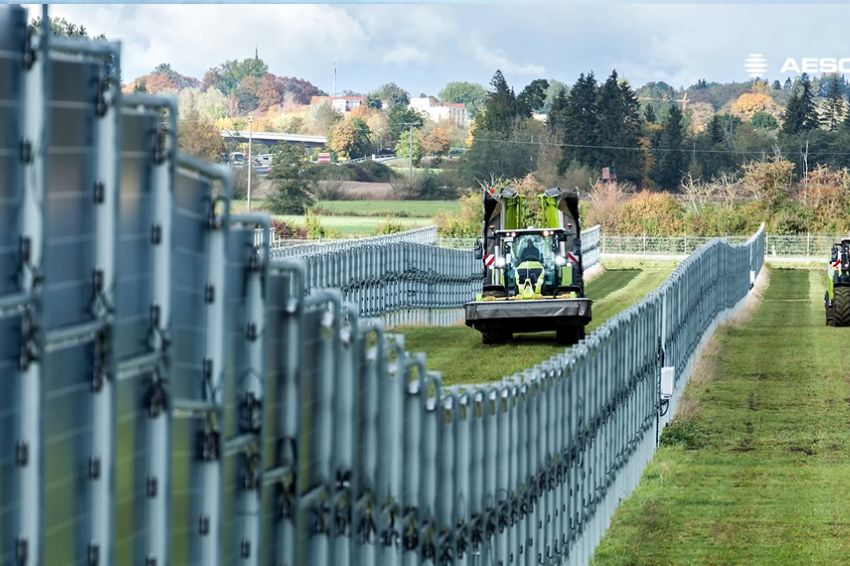
The solar energy has recorded exponential growth in Brazil and one of the main spheres of the national economy, the agribusinesso, has been following this trend more and more closely.
Data from ANEEL (National Electric Energy Agency) point out that the rural consumers today correspond to almost 15% of the total 25,2 GW of solar power installed in the country through DG systems (distributed generation).
In total, they are already 3,6 GW installed through 197 thousand connections in rural areas. This year alone, the consumer class was responsible for adding more than 1 GW of power to the country.
These are, therefore, numbers that only reveal that the The rural sector has become increasingly interested in generating its own energy, as a way to reduce costs and increase production efficiency.
Applications
In an interview with Canal Solar, Ramon Nuche, Latam director of AESOLAR, explains that the The use of solar energy in the field can be used for the most diverse applications, as in planting irrigation; in crop refrigeration; meat; dairy and other products; in temperature regulation for animal care; lighting; rural property security; telecommunications, among others.
According to him, these applications are very diverse, from floating solar plants, in which the panels hover over the water, to the application of panels in parallel to the plantation.

Nuche also explains that the source contributes to combating greenhouse gas emissions and repairing the environment, by allowing the preservation of natural resources and better use of rural space.
For this reason, AESOLAR, for example, is one of the companies that has looked more closely at this type of market, which in its view tends to grow much more strongly from 2024 onwards.
New product
Ao Canal Solar, the director of AESOLAR also spoke about the company expectations for agribusiness in 2024 and said that one of the great news that the company is bringing to Brazil is the TERRA photovoltaic module.
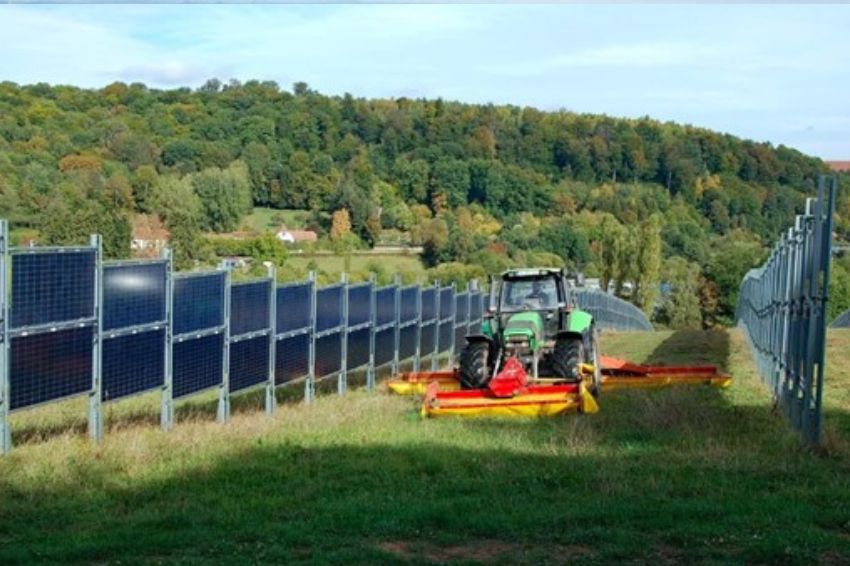
“This product comes with a new arrangement between cells, which makes it possible to make better use of the area when it comes to installation on the ground. Inside TERRA we have an arrangement of different diodes, which allows reducing the spacing between strings and limit loss due to shading at certain times of the day”, he commented.
According to Nuche, the new technology also has other advantages, such as 72% greater durability against microcracks from wind pressure and the possibility of using it in a vertical position.
“With this, we have a product that can also be applied as a property fence, which guarantees that 100% of the bifaciality is used,” he said, as illustrated in the image below.
The new module is already in production in both the factory in Europe and Asia, and is available for purchase in the PERC cell technology model. By the end of the first quarter, the company will also have the product in the N-Type cell version.
Province-level
As a way of boosting sustainability in the agribusiness universe, the Federal Government has also encouraged the use of solar energy in the countryside, through the 2023-2024 Harvest Plan, which foresees an amount of R$364 billion for investments in agribusiness projects, with important lines of credit for those who want to invest in more ecological farming.
One of these lines is RenovAgro, which finances the adoption of conservation practices, the recovery of degraded areas, and also systems for generating renewable energy, including photovoltaics.
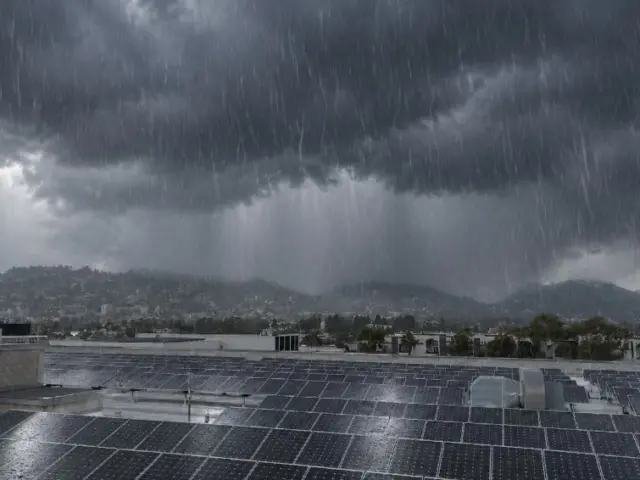
According to Nuche, as the agricultural sector faces many adverse events, such as rain, winds, floods and pests, in addition to incentives, it is important that the integrator when choosing a partner for the implementation of a photovoltaic project pays attention to the quality of the products. before anything else.
According to him, today there are relevant certifications that guarantee the safety and effectiveness of products, as is the case with PV Evolution Labs (PVEL), the main independent laboratory in the global photovoltaic sector, among others. Demanding certificates like these from companies is extremely important.
For this reason, for 2024, Nuche believes that expectations for the photovoltaic sector remain optimistic, with agribusiness showing a trend of natural increase in demand, even more so with the end of discounts on rural electricity tariffs and the facilities for obtaining financing available for the solar sector.

Comments
Comments are moderated before publication.Comments should be respectful and contribute to a healthy debate. Offensive comments may be removed. The opinions expressed here are those of the authors and do not necessarily reflect the views of the author. Canal Solar.