

The relationship between solar energy and sustainability is increasingly evident in a global scenario that demands clean, efficient and low-environmental-impact energy alternatives.
In Brazil, more than 15 thousand public buildings are already supplied by photovoltaic systems, generating more than R$2 billion in investments and reinforcing the strategic role of this technology in the construction of a more sustainable energy matrix.
In this article, you will understand how solar energy works, why it is considered sustainable and how it contributes to the economic, social and environmental development of the country. Keep reading and find out everything!
What is solar energy?
Solar energy is the form of energy obtained from the sun's radiation, converted into electricity or heat through different technologies.
The two main ways of using it are:
- Photovoltaic solar energy: uses panels composed of photovoltaic cells (usually silicon) to directly transform sunlight into electricity. This electricity can be used locally or injected into the electrical grid;
- Solar thermal energy: uses solar collectors to heat fluids (usually water), and is mainly applied in residential, industrial or swimming pool heating systems.
The sun provides, every day, a quantity of energy much greater than that consumed by humanity.
With the right technologies and good system sizing, it is possible to use this natural resource in a clean, efficient and continuous way.
Why is solar energy considered sustainable?
Solar energy stands out among renewable sources due to its wide availability and very low environmental impact throughout the system's life cycle.
The sustainability of solar energy is directly related to three pillars:
- Environmental: Solar energy generation does not emit polluting gases, does not generate hazardous waste and practically does not interfere with local ecosystems. In addition, the equipment has a long useful life (on average 25 years) and increasing recycling potential;
- Economic: After the initial investment, solar photovoltaic systems require little maintenance and provide a significant reduction in electricity costs. Over time, they become an asset that increases the value of the property and ensures predictability of energy costs;
- Social: The expansion of solar energy promotes the decentralization of energy generation, democratizing access, generating qualified jobs and fostering technological innovation in the country.
This combination of factors makes solar energy a key piece in the transition to a more sustainable energy matrix.
How does solar energy contribute to sustainability?

Choosing solar energy as an alternative source brings many benefits beyond saving on your electricity bill.
This technology plays a strategic role in building a more sustainable energy model, combining environmental, economic and social benefits.
Below, we explain how solar energy directly connects to the pillars of sustainability:
Reduction of greenhouse gas emissions
Photovoltaic solar energy is one of the most effective sources for reducing pollutant gas emissions.
By replacing fossil fuels such as coal, fuel oil and natural gas, it avoids the release of large volumes of carbon dioxide (CO₂), methane (CH₄) and nitrogen oxides (NOₓ), all associated with worsening the greenhouse effect and global warming.
Furthermore, during operation, solar systems do not emit polluting gases, which significantly contributes to improving air quality, especially in urban centers and industrial regions.
Renewable and inexhaustible source
The sun is an abundant and virtually inexhaustible source of energy. It is estimated that the solar radiation that reaches the Earth in just one hour is enough to supply the entire energy demand of the planet for a year.
This feature makes solar energy highly reliable in the long term, especially in tropical countries like Brazil, which has excellent solar radiation throughout the year.
Unlike fossil fuels, which are finite and increasingly expensive to extract, solar energy offers predictability and energy security with reduced environmental impact.
Water economy
Traditional electricity generation, mainly in thermoelectric and nuclear power plants, consumes large volumes of water for cooling and operation.
In contrast, photovoltaic systems practically do not use water in their operation, except for periodic cleaning of the panels.
There are now automated robots that perform this cleaning with soft bristles and without the use of water, making the process even more sustainable and efficient.
This characteristic is especially relevant in contexts of water scarcity, where the rational use of natural resources is essential.
By opting for solar energy, you avoid overloading water resources, contributing to sustainable water management.
Energy self-sufficiency
Solar power decentralizes electricity generation, allowing residential, commercial and rural consumers to produce their own energy.
This model, known as distributed generation, increases the resilience of the electrical system and reduces dependence on large distributors.
In addition to promoting greater control over consumption, energy self-sufficiency also makes it possible to bring electricity to remote regions or regions with limited infrastructure.
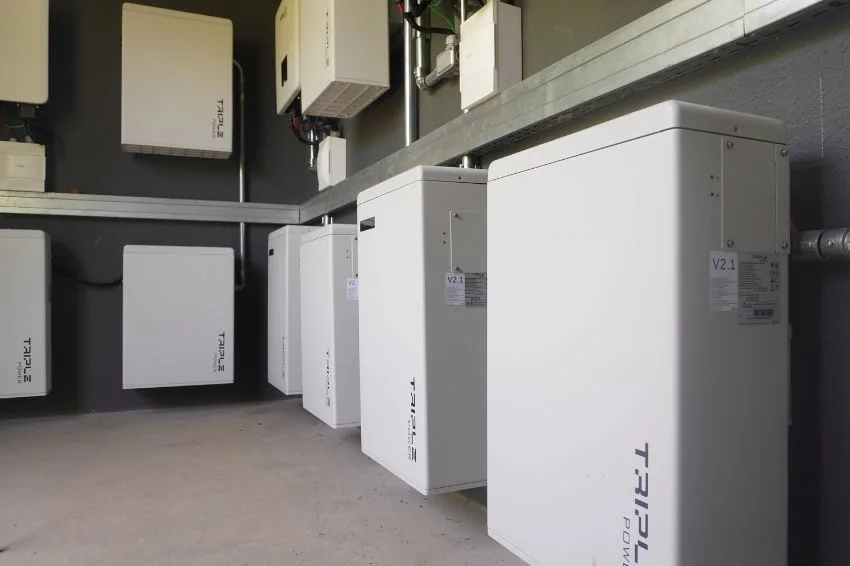
When combined with battery storage systems, solar energy becomes a complete and reliable solution, ensuring supply even at night or on cloudy days, strengthening regional and social development.
Long-term cost reduction
Despite the initial investment in equipment and installation, solar energy provides significant savings over the years.
The useful life of photovoltaic systems exceeds 25 years, with low maintenance requirements and no fuel costs.
This financial predictability is beneficial for both residential consumers and businesses, which can plan their operating expenses more efficiently and reduce their exposure to tariff variations.
Green job creation
The solar energy production chain is one of the main drivers of green job creation in the world.
According to the report “Renewable Energy and Jobs – Annual Review 2024”, published by IRENA (International Renewable Energy Agency) in partnership with the ILO (International Labour Organization), photovoltaic solar energy leads the global ranking of jobs in renewable energy, with more than 7,1 million jobs in 2023.

This number represents almost 44% of all jobs in the renewables sector worldwide, solidifying solar energy as the largest employer in the sector.
Furthermore, it was also the source that grew the most in job creation in the last decade, jumping from 1,36 million jobs in 2012 to more than 7 million in 2023, a growth of over 420%.

In Brazil, this movement is also evident. The country has already surpassed the mark of 1 million solar systems installed, mobilizing an entire network of professionals (engineers, electricians, technicians and salespeople), strengthening the economy with a focus on innovation and sustainability.
Lower environmental impact
The installation of photovoltaic solar systems has a very low environmental impact when compared to other energy sources.
There are no pollutant emissions during operation, land use is generally limited (especially on roofs and existing structures), and noise is virtually non-existent.
Furthermore, photovoltaic modules are highly durable and, at the end of their useful life, can be recycled.
The industry is already advancing in the development of processes and technologies aimed at the reuse of components, which further reinforces the environmental commitment of solar energy.
Is solar energy affordable?
Although the general perception still associates solar energy with a high investment, the scenario has changed significantly in recent years.
Technology has become more accessible thanks to falling equipment prices, increased service offerings and the creation of specific financing lines.
Today, it is possible to find customized photovoltaic solutions for different consumption profiles, from small homes to large projects.
Furthermore, the shared generation model, through remote solar plants, allows even those who cannot install panels on their property to have access to solar energy, paying a subscription and receiving credits on their electricity bill.
Therefore, solar energy is not only viable, it is increasingly present in the daily lives of consumers from all regions and income brackets.
How to invest in a more sustainable energy source?
Investing in solar energy involves more than simply purchasing equipment.
This is a technical, financial and strategic decision. To get the most out of it, it is essential to follow a few steps:
- Consumption analysis: survey the history of electrical consumption to define the technical feasibility and dimensioning of the system;
- Feasibility study: evaluate the installation location, solar orientation, shading and physical structure;
- Budget and suppliers: look for certified integrating companies, with proven experience and qualified technical support;
- Financing or cash payment: several financial institutions offer credit with facilitated conditions and extended payment terms;
- Installation and approval: the system needs to be approved by the local energy distributor so that it can operate legally and generate energy credits;
- Monitoring and maintenance: Generation monitoring and preventive inspections ensure good system performance over the years.
For those who want to start this journey safely, the Canal Solar offers technical content, courses and tools that help consumers and professionals make more informed decisions.
Read also How to calculate daily energy consumption?
Where does solar energy predominate in Brazil?

Brazil has exceptional conditions for generating solar energy, with high solar incidence across practically the entire territory.
However, some regions stand out in both centralized generation (CG) and distributed generation (DG):
Northeast
With high levels of solar radiation and vast flat areas, the Northeast leads in large solar plants (centralized generation).
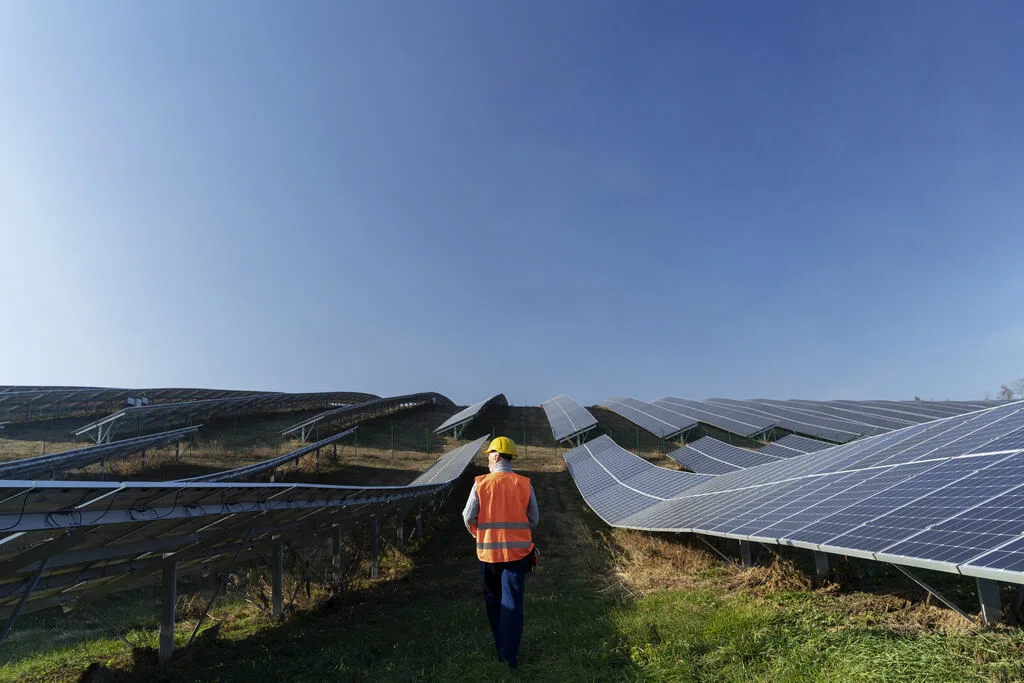
States such as Piauí, Bahia and Pernambuco have important solar parks in operation and under development, making the most of the region's geographic and climatic characteristics.
Southeast and South
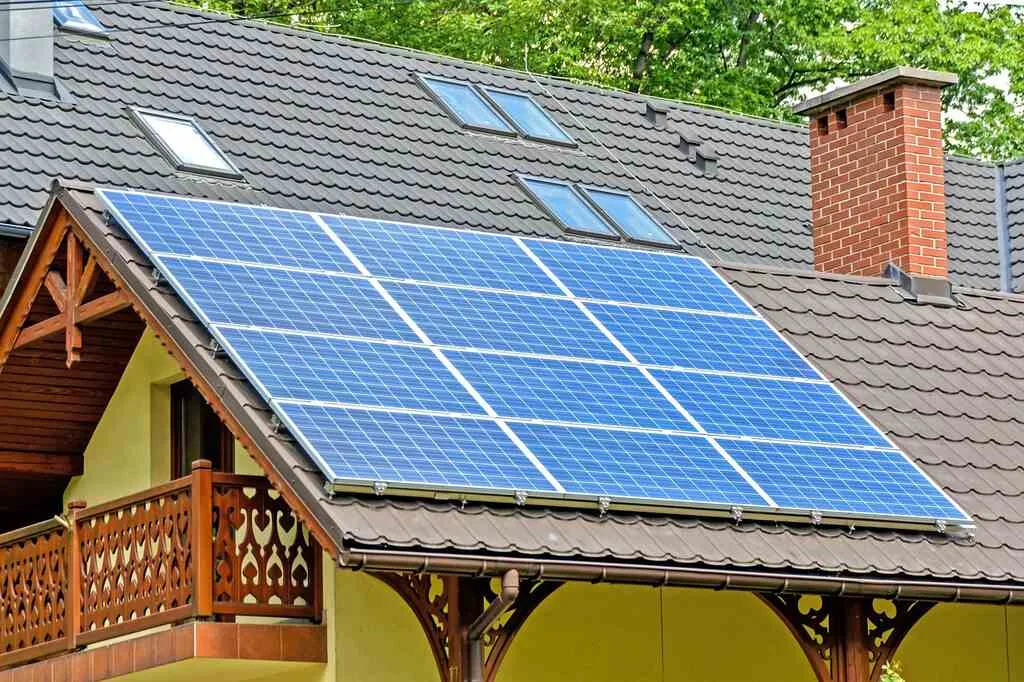
Despite having lower levels of sunlight than the Northeast, these regions concentrate the majority of distributed generation systems, with emphasis on solar roofs in homes, businesses and industries.
High energy consumption, population density and greater access to credit lines contribute to this predominance.
Midwest
With high solar potential and areas undergoing urban and agricultural expansion, the Central-West has seen significant growth in the adoption of photovoltaic systems, especially on rural properties, which seek to reduce operating costs and ensure greater energy autonomy.
According to data from ABSOLAR released in May 2025, the Brazil has already reached 37,5 GW in distributed generation and 17,6 GW in centralized generation, consolidating its position among the main solar markets in the world.
Furthermore, more than 15,1 public buildings across the country already use solar energy, with an installed capacity of over 435,4 MW, generating more than R$2 billion in investments and generating approximately 13 green jobs.
Learn About Canal Solar
O Canal Solar is a technical and specialized content platform focused on the photovoltaic solar energy sector.
Recognized as one of the main sources of information in the segment in Brazil, the portal operates comprehensively on three fronts: information, education and consultancy.
In the information area, the Canal Solar provides daily news coverage of the PV market, including regulatory updates, market analysis, technology trends and expert interviews.
All this with a focus on reliability and practical usefulness for those working in the sector.
In education, the portal has an extensive range of in-person and online courses, aimed at engineers, designers, integrators and technical professionals.
These courses are developed and taught by engineers with extensive experience in the sector, with the aim of training professionals in all stages of a photovoltaic project, from technical design to practical execution.
In addition, it offers specialized consultancy, supporting companies and investors in the technical and economic viability of small, medium and large-scale solar projects.
Whether you are an enthusiast looking to understand more about solar energy, a consumer looking for sustainable alternatives or a professional looking to update themselves, Canal Solar is your reliable and complete starting point.
Discover everything you need to know about solar energy with Canal Solar. Access now!
Conclusion
Solar energy and sustainability are a necessity in a world that seeks sustainable, economical and low environmental impact solutions.
Its benefits go beyond generating clean energy: it promotes energy autonomy, reduces costs, protects water resources and boosts qualified jobs.
In this scenario, having quality information is essential.
O Canal Solar positions itself as a link between technology and those who want to be part of the energy transition in Brazil.
By understanding the role of solar energy in sustainability, we take an important step towards a more responsible and efficient future.

Comments
Comments are moderated before publication.Comments should be respectful and contribute to a healthy debate. Offensive comments may be removed. The opinions expressed here are those of the authors and do not necessarily reflect the views of the author. Canal Solar.