

Solar energy has just reached the mark of 55 GW of installed power in Brazil, according to a report released by ABSOLAR (Brazilian Association of Photovoltaic Solar Energy), with 37,4 GW in distributed generation and 17,6 GW in centralized generation.
The growth of the sector is also reflected in the number of consumers served: almost simultaneously with the new brand, the solar source began to supply five million UCs (consumer units) throughout the national territory.
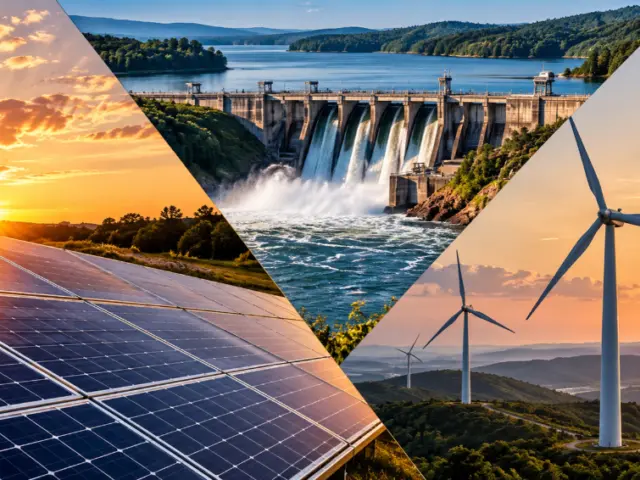
Currently, solar energy already represents 22,2% of the total installed capacity of the national electricity grid, being the second largest source. The technology is second only to hydroelectric plants, which hold more than 40% of the total volume.
In total, solar energy has already prevented the emission of 66,6 million tons of carbon dioxide. The sector was also responsible for attracting more than R$251,1 billion in new investments, generating more than 1,6 million jobs and raising around R$78 billion for the public coffers.
Challenges
Despite the significant growth of the last decade, the ABSOLAR states that the sector has faced major challenges that “harm the acceleration of the sustainable energy transition in the country”.
Among the main bottlenecks identified are the lack of compensation to entrepreneurs for cuts in renewable generation and obstacles to connecting small solar self-generation systems, under the allegation of power flow inversion.
“If it weren’t for these obstacles, the sector could contribute even more to sustainability and serve a greater volume of consumers, of all profiles, who seek savings, independence and autonomy. In the case of large solar plants, the lack of compensation under the rules of the ANEEL (National Electric Energy Agency) for generation cuts brings legal uncertainty and a greater perception of risk”, highlighted the association.
For this, the ABSOLAR draws the market's attention to the need for approval of the Bill No. 624/2023, which establishes the REBE (Basic Energy Income Program).
“In addition to benefiting families in conditions of energy poverty, this project updates Law No. 14.300/2022, correcting restrictions on connection to distribution networks, which currently make thousands of solar distributed generation systems unfeasible and harm the consumer's right to invest in their own solar generation system,” said Rodrigo Sauaia, CEO of the entity.
Opportunities
Despite the challenges, the ABSOLAR highlighted that the share of solar self-generation is still small, around 5%, compared to the 93,9 million electricity consumer units in the Brazilian captive market, which contributes to a favorable environment for investments.
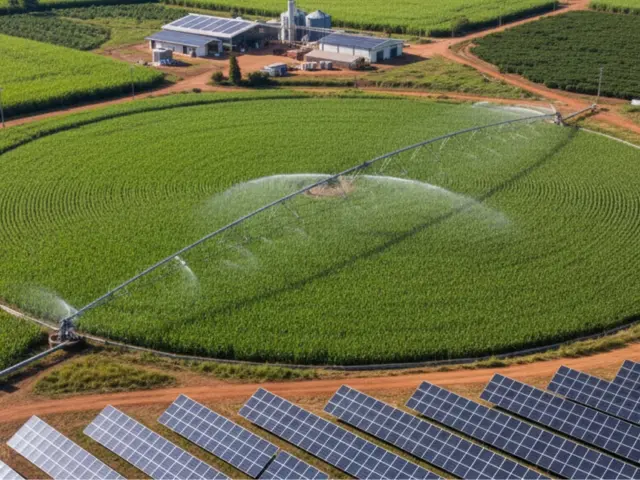
“With the price of solar panels having fallen by more than 50% in the last two years, this is the best time to invest in photovoltaic systems for homes, businesses and rural properties. And there is still enormous potential for growth in the use of photovoltaic technology,” said Ronaldo Koloszuk, chairman of the association’s Board of Directors.
According to Sauaia, solar energy helps reduce the use of transmission infrastructure, relieves pressure on operations and reduces losses over long distances, which contributes to reliability and safety in critical moments such as those seen at the beginning of this year, with high heat and high demand for electricity in Brazil.
“The advancement of solar energy also increases Brazil’s leading role in the geopolitics of the global energy transition, as it is one of the most competitive and democratic sources. And it contributes strongly to social, economic and environmental development in all spheres of society,” added the executive.
all the content of Canal Solar is protected by copyright law, and partial or total reproduction of this site in any medium is expressly prohibited. If you are interested in collaborating or reusing part of our material, please contact us by email: redacao@canalsolar.com.br.



Comments
Comments are moderated before publication.Comments should be respectful and contribute to a healthy debate. Offensive comments may be removed. The opinions expressed here are those of the authors and do not necessarily reflect the views of the author. Canal Solar.