
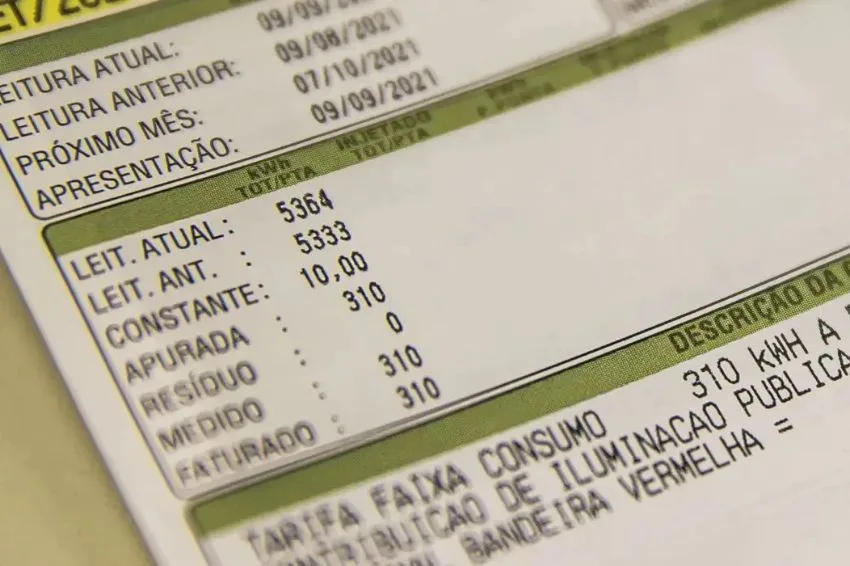
The electricity bill remains at no additional cost for January 2025, according to the ANEEL (National Electric Energy Agency).
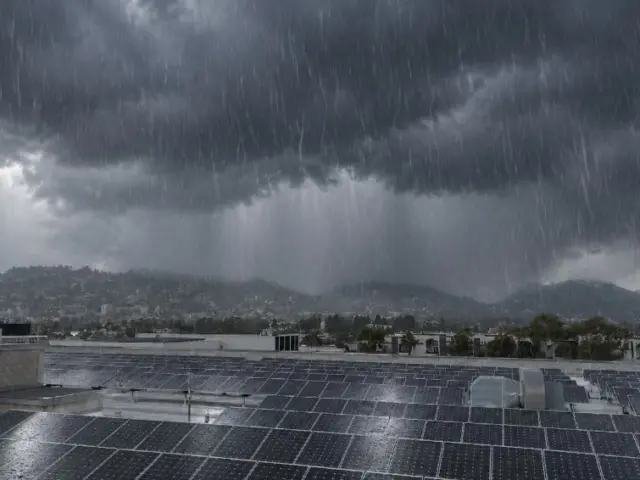
the maintenance of green tariff flag is due to the rains recorded in recent months that filled the reservoirs of the hydroelectric plants of without (National Interconnected System), reaching the 50% storage mark this Friday (27).
According to Alexandre Silveira, Minister of MME (Ministry of Mines and Energy), the rains led the country to reduce the use of more expensive energy sources, such as thermoelectric plants.
Even with the year 2024 marked by worst period of drought recorded in recent history, according to the Cemaden (National Center for Monitoring and Alerts for Natural Disasters), the rainy season in November brought relief to hydroelectric reservoirs, which today represent almost half of the country's electricity supply.
According to the Ministry, in addition to hydroelectric plants, actions implemented by the MME to manage energy resources such as solar and wind power also guaranteed the minimum tariff.
“Brazil has broken records in wind and solar energy generation, and the use of these renewable sources has a direct impact on the positive results we have achieved in reservoirs. By 2025, we will adopt this and other measures to guarantee the supply of electricity and other water uses for all Brazilians,” concludes Silveira.
tariff flags
The system tariff flags was created by ANEEL in 2015 and aims to adjust the cost of electricity for Brazilian consumers on a monthly basis, consisting of the colors green, yellow and red (at levels 1 and 2).
This sequence indicates the cost of energy for the following month: green means there is no additional cost, yellow indicates a slight increase in the energy bill and red means a higher cost for Brazilian consumers.
The sequence reflects the variable cost of energy production, considering factors such as the availability of water resources, the advancement of renewable sources, as well as the activation of more expensive generation sources such as thermoelectric plants.
According to ANEEL, this signaling makes the consumer active in knowing whether or not they need to use energy more consciously, due to its cost.
all the content of Canal Solar is protected by copyright law, and partial or total reproduction of this site in any medium is expressly prohibited. If you are interested in collaborating or reusing part of our material, please contact us by email: redacao@canalsolar.com.br.

Comments
Comments are moderated before publication.Comments should be respectful and contribute to a healthy debate. Offensive comments may be removed. The opinions expressed here are those of the authors and do not necessarily reflect the views of the author. Canal Solar.