

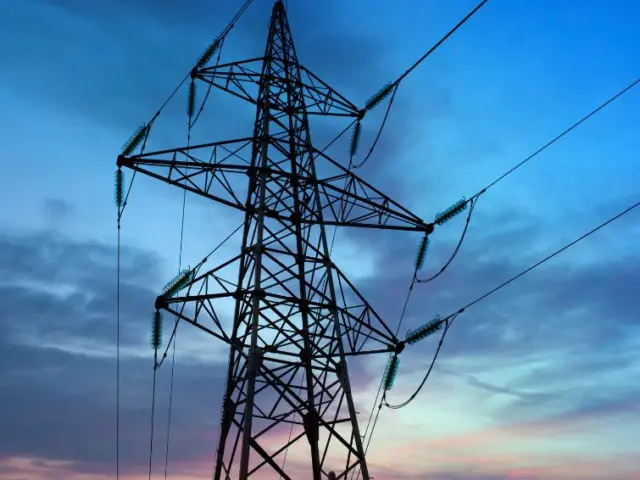
The Federal Government has approved a law that expands penalties for crimes related to theft, robbery and receiving of wires, cables and equipment used in the distribution and transmission of electricity, as well as telecommunications services.
The new legislation, published in the Official Gazette of the Union this Tuesday (29), amends provisions of the Penal Code. From now on, the theft of these materials will be considered a qualified crime, with a prison sentence of 2 to 8 years, in addition to a fine.
Robbery carries a more severe penalty, with a sentence of 6 to 12 years, and qualified receiving of stolen goods carries a prison sentence of 6 to 16 years, also with a fine. Penalties are doubled if the crimes result in the interruption of essential services, are committed during a public emergency, or involve the destruction of telecommunications equipment.
The measure aims to combat a criminal practice that has been compromising the regular provision of electricity and telephone services in several regions of the country. The legislation also considers all activities carried out with stolen or robbed equipment to be illegal.
Receiving stolen goods and penalties for companies
The new law also introduces aggravating factors for the crime of receiving stolen goods. If it involves wires, cables, or equipment used in energy, telecommunications, data transmission, or transportation services, the sentence—which ranges from one to four years—may be doubled.
Furthermore, companies contracted by the government that are caught using materials originating from theft or robbery may be subject to administrative sanctions, such as warnings, fines, temporary suspension of the contract, termination and declaration of unsuitability.
Executive Vetoes
even though sanctioned with most of the text approved by Congress, lei had two provisions vetoed by the Executive Branch. The first veto concerned an article that exempted energy utilities from regulatory liability if their services were compromised by equipment theft or robbery.
According to the justification, this measure could generate negative impacts on consumers and weaken prevention and safety mechanisms on the part of companies.
The second veto was applied to an attempt to amend Law 9.613/1998, which addresses money laundering crimes. The proposal proposed increasing the maximum sentence from 10 to 12 years and reducing the minimum age from 3 to 2 years.
According to the Executive, the change would weaken the current legal framework for combating this type of crime. Regulation of concessionaires' responsibilities regarding the security of their facilities should be carried out by the ANEEL (National Electric Energy Agency).
all the content of Canal Solar is protected by copyright law, and partial or total reproduction of this site in any medium is expressly prohibited. If you are interested in collaborating or reusing part of our material, please contact us by email: redacao@canalsolar.com.br.



Comments
Comments are moderated before publication.Comments should be respectful and contribute to a healthy debate. Offensive comments may be removed. The opinions expressed here are those of the authors and do not necessarily reflect the views of the author. Canal Solar.