
Brazil's electricity matrix is expected to register an increase of 9,14 GW of installed capacity in 2026, with renewable sources predominating, according to a projection released this Tuesday (13) by ANEEL (National Electric Energy Agency).
This volume represents a growth of 23,4% compared to 2025, when the national electricity system incorporated 7,40 GW from the commercial operation of 136 centralized generation plants.
During this period, solar energy played a prominent role, with 63 new projects and 2,81 GW of added capacity. Also coming online during this period were 15 thermal power plants (2,50 GW); 43 wind farms (1,82 GW); 11 small hydroelectric plants (199,34 MW), in addition to one hydroelectric plant (50 MW) and three hydroelectric generating plants (6,70 MW).
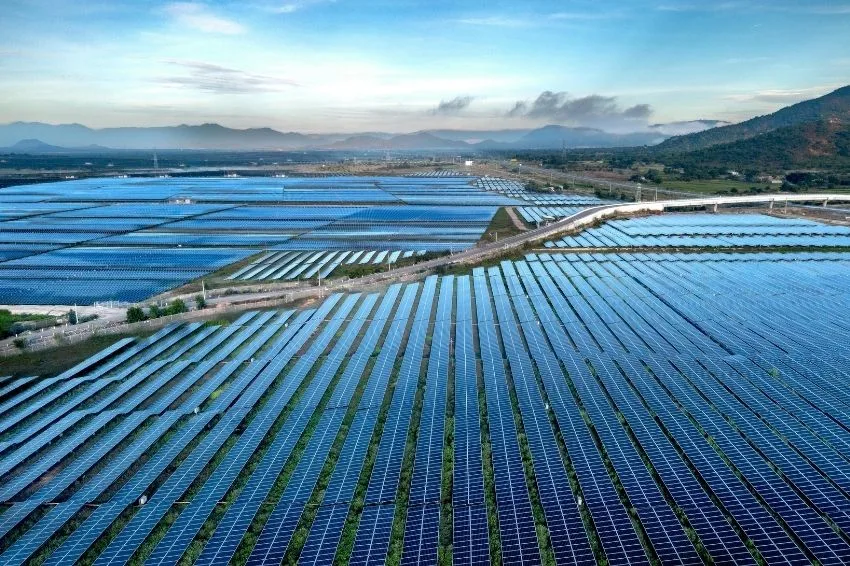
By 2026, the expectation is for an even greater prominence of solar energy. According to... ANEELThe country is expected to add 4,56 GW of new centralized photovoltaic plants, a volume higher than that projected for thermal power plants (2,77 GW) and wind farms (1,43 GW). The projection also includes approximately 362 MW from biomass and hydroelectric projects.
The electricity grid remains predominantly renewable.
According to data from SIGA (Generation Information System of ANEELAccording to figures updated daily, Brazil began January 2026 with 215,9 GW of operational power in centralized plants, mostly connected to the SIN (National Interconnected System). Of this total in operation, 84,63% of the installed capacity comes from renewable sources.
all the content of Canal Solar is protected by copyright law, and partial or total reproduction of this site in any medium is expressly prohibited. If you are interested in collaborating or reusing part of our material, please contact us by email: redacao@canalsolar.com.br.