
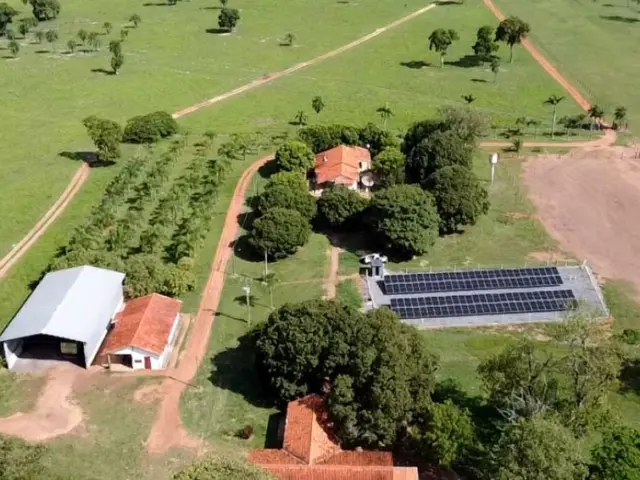
This week, DG (distributed generation) surpassed the mark of 1 GW of installed power in rural areas. In total, there are 64,5 plants operating in the countryside, of which 95% of them are photovoltaic, according to data from ANEEL (National Electric Energy Agency).
The level reached is also enough to supply more than 1,5 million inhabitants and mitigate the emission of 406 thousand tons of greenhouse gases per year, according to calculations by ABGD (Brazilian Association of Distributed Generation).
Like other DG consumption classes – such as residential, commercial, industrial and public sector – the entity points out that the field will undergo an acceleration in the installation of new projects, potentially reaching 2,5 GW by the end of 2022.
“Rural producers have differentiated financing for the acquisition of equipment. Today, those who generate their own energy are already achieving better profitability in their activity, by reducing electricity bill expenses”, explains Carlos Evangelista, president of ABGD.
In addition to the high cost of energy and the cheaper technology, another component that helps explain the milestone reached is the imminent approval – in the Senate – of the Legal framework for the sector. The text proposes a window, until the end of 2022, for new connections to maintain the current rules of free use of the distribution network, until 2045.


Comments
Comments are moderated before publication.Comments should be respectful and contribute to a healthy debate. Offensive comments may be removed. The opinions expressed here are those of the authors and do not necessarily reflect the views of the author. Canal Solar.