
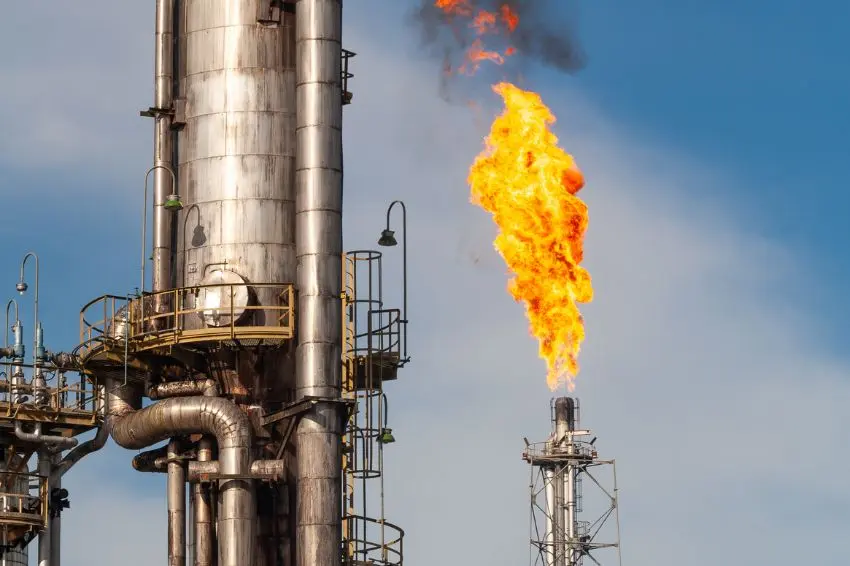
More than 70% of federal subsidies allocated to the energy sector in Brazil were directed, in 2025, to fossil fuels. Meanwhile, incentives for renewable sources, such as solar and wind, grew by 20,89% compared to the previous year, but still represent a smaller share of public resources allocated to the sector.
The data is part of the 9th edition of the Monitoring of Federal Subsidies to Energy Sources in Brazil, a study prepared by Inesc (Institute of Socioeconomic Studies), which analyzed the incentives granted by the Federal Government to different energy sources.
According to the survey, Brazil allocated R$ 77,16 billion in federal subsidies to the energy sector in 2025. Of this total, R$ 54,12 billion, equivalent to 70,14%, was directed to fossil fuels. Renewable sources and initiatives related to the electrification of transport received R$ 23,04 billion.
In practice, for every R$1 allocated to renewable energy sources, R$2,35 went to fossil fuels. According to Alessandra Cardoso, political advisor at Inesc and co-author of the study, this difference demonstrates that Brazilian subsidy policy still maintains a strong dependence on fossil fuels.
"It's not just about comparing how much the country allocates to each energy source, but about evaluating which activities are being encouraged, who benefits from these resources, and how these choices relate to energy transition commitments," she says.
Subsidies for renewables grow by 20,89%
Compared to 2024, when R$ 73,88 billion was allocated to the energy sector, there was a 4,44% increase in the total volume of federal subsidies. Despite the overall increase, resources allocated to fossil fuels showed a 1,27% reduction compared to the R$ 54,82 billion recorded in the previous year.
Meanwhile, incentives for the production and consumption of renewable energy grew by 20,89%, rising from R$ 19,06 billion in 2024 to R$ 23,04 billion in 2025. According to researchers, the expansion of benefits for renewables was mainly driven by incentives for distributed generation (DG), which totaled R$ 14,71 billion, equivalent to 63,9% of the resources allocated to this group.
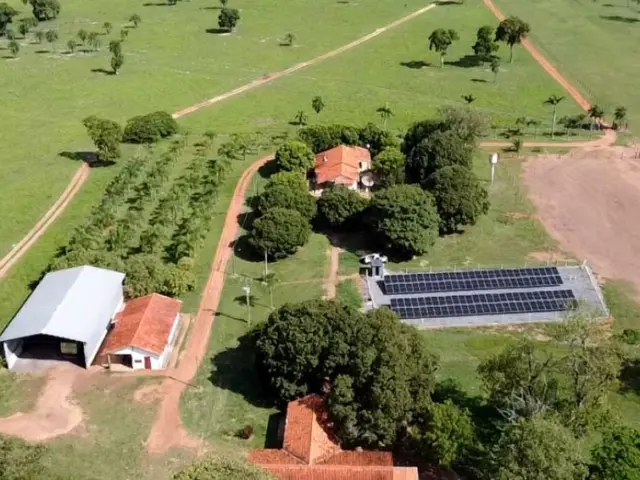
In distributed generation, electricity is produced close to the point of consumption, as occurs in photovoltaic panel installations in homes and commercial establishments. According to Cássio Cardoso Carvalho, political advisor at Inesc, financing mechanisms for distributed generation end up transferring costs to consumers who cannot access the benefits of self-generation.
Therefore, there is a risk of promoting a transition that deepens inequalities. "The subsidy policy needs to combine the expansion of clean energy sources with criteria of distributive justice, reduction of energy poverty, and increased access to energy," he adds.
CCC concentrates part of the subsidies for fossil fuels.
Although subsidies for fossil fuels decreased in 2025, some mechanisms registered significant growth. One of them was the CCC (Fuel Consumption Account), a charge paid by electricity consumers to finance, among other purposes, generation in isolated systems.
According to the survey, the CCC received R$ 14,11 billion in 2025, an increase of 26,62% compared to 2024. The funds are used to finance electricity generation in locations that are not connected to the National Interconnected System (SIN), including thermoelectric plants powered by fossil fuels, such as diesel oil.
According to Cássio Carvalho, an orderly reform of subsidies is necessary, one capable of evaluating, planning, and redirecting public resources, and functioning as a relevant instrument to boost Brazil's energy transition.
“There are sectors that no longer need the same level of incentive, whether for reasons related to the energy transition or the economic viability of their activities. In this sense, the reform can direct resources to sectors of the economy that face greater challenges,” he concludes.
Ministry of Finance highlights changes in subsidy policy.
In its statement regarding the survey, the Ministry of Finance affirmed that the Inesc study already reflects a trajectory of reducing federal subsidies for fossil fuels and increasing resources allocated to renewable sources.
"It is important to highlight that the data refers to the period prior to the exceptional and transitional measures adopted in 2026, aimed at mitigating the adverse effects on the domestic market of the international volatility of oil prices, resulting from the war in Iran and the closure of the Strait of Hormuz," the agency emphasizes in a press release.
The ministry also cites changes in legislation aimed at encouraging the production and consumption of sustainable energy sources, such as the Future Fuels Law (14.993/2024), which integrates initiatives such as the RenovaBio, Mover, Brazilian Vehicle Labeling Program (PBEV) and Vehicle Emissions Control Program (Proconve).
Among other measures mentioned by the ministry are the Ecological Transformation Plan, EcoInvest Brasil, which plans to mobilize more than R$ 190 billion in investments, and the Climate Fund, which has a budget of R$ 27,5 billion for 2026.
According to the Ministry of Finance, this set of initiatives should contribute to a more balanced distribution of subsidies and to an energy transition aligned with the commitments made by the Brazilian government.
With information from Agência Brasil
all the content of Canal Solar is protected by copyright law, and partial or total reproduction of this site in any medium is expressly prohibited. If you are interested in collaborating or reusing part of our material, please contact us by email: redacao@canalsolar.com.br.




Comments
Comments are moderated before publication.Comments should be respectful and contribute to a healthy debate. Offensive comments may be removed. The opinions expressed here are those of the authors and do not necessarily reflect the views of the author. Canal Solar.