
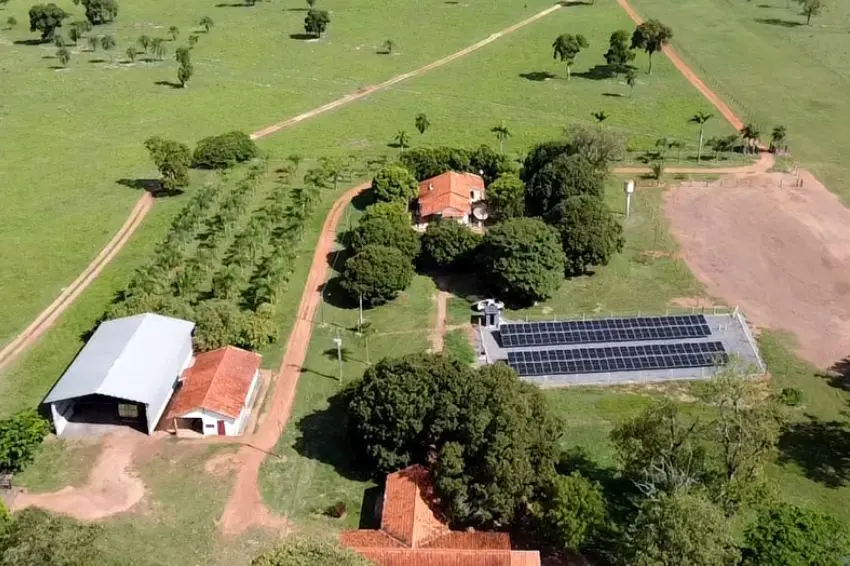
The difficulty of connecting to the electrical grid and the limitations on exporting surplus energy are leading companies and rural properties to consider new configurations for their solar power generation projects.
Among the alternatives gaining ground is the Zero Grid model, which allows for the production of electricity for self-consumption without injecting the surplus into the distribution network. The solution uses control systems that monitor the demand of the project and adjust photovoltaic generation in real time.
This movement is occurring in a market that continues to receive significant investments, although at a slower pace than last year.
According to a survey by TTS Energia, based on data from ANEEL According to the National Electric Energy Agency, self-generation of solar power in the business and rural sectors generated approximately R$ 6,5 billion between January and October 2026.
During this period, 66,1 new systems were installed, adding 1,4 GW of power. According to the company, the demand for projects without export is linked to the need to adapt investments to the connectivity conditions and consumption profile of each unit.
Industries, commercial establishments, retail chains, distribution centers, and rural producers are among the consumers seeking to reduce electricity expenses and increase energy independence, but they need to assess the limitations of the available infrastructure.
Generation control
Unlike conventional projects that can send surplus energy to the grid, Zero Grid operates with mechanisms capable of monitoring consumption and regulating the production of solar panels.
When generation exceeds instantaneous demand, the system reduces the power produced, preventing the export of electricity to the distributor.
This configuration can enable installations in locations where there are restrictions on connectivity or difficulties in injecting power into the grid.
It also requires that the project design take into account load behavior throughout the day, peak consumption times, and photovoltaic generation capacity.
The company also sees interest in solutions that combine solar power generation, intelligent control, and, in certain applications, battery storage. The goal is to make better use of the electricity produced and adapt its use to the needs of the operation.
Planning gains importance.
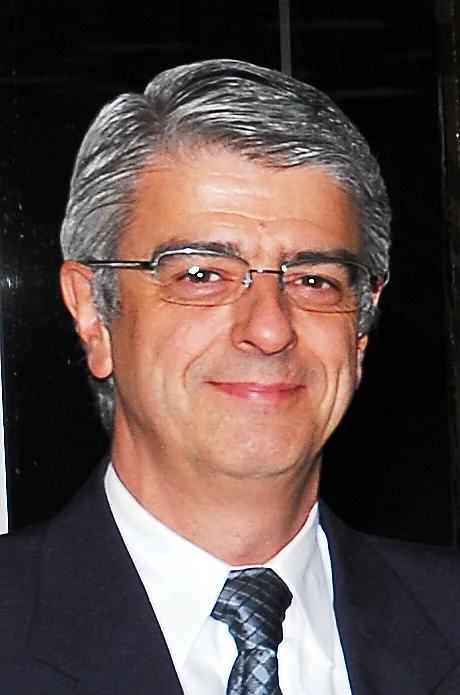
According to Jacques Hulshof, CEO of TTS Energia, restrictions on exporting surplus energy have influenced consumer decisions, leading them to pay closer attention to technical and economic feasibility before investing.
According to the executive, engineering needs to consider not only the power of the panels, but also the demand of the project and the conditions of access to the grid. Integration with batteries is pointed out by the company as another possibility for certain projects.
Expansion slows down.
Although interest in self-consumption configurations is evident, the survey figures are based on data from ANEEL They show a reduction in the rate of expansion of private solar power generation for businesses and rural areas.
Between January and October 2025, 113 new connections were registered, adding 2,6 GW of power and estimated investments of R$ 12 billion.
Compared to the same period this year, there was a 41,5% drop in the number of connections and a 46,2% decrease in added power. The financial volume fell by 45,8%, from R$ 12 billion to the aforementioned R$ 6,5 billion.
However, over the last decade, the commercial, industrial, and rural sectors have accumulated approximately 816 self-generation connections, with 21,1 GW installed, benefiting 3,3 million consumer units, and around R$ 98 billion in investments.
The data indicates that, in addition to the growth rate, deployment conditions are influencing the profile of projects. In this scenario, solutions such as Zero Grid and integration with energy storage appear as alternatives for consumers who intend to expand self-consumption in the face of connectivity and energy export limitations.
all the content of Canal Solar is protected by copyright law, and partial or total reproduction of this site in any medium is expressly prohibited. If you are interested in collaborating or reusing part of our material, please contact us by email: redacao@canalsolar.com.br.


Comments
Comments are moderated before publication.Comments should be respectful and contribute to a healthy debate. Offensive comments may be removed. The opinions expressed here are those of the authors and do not necessarily reflect the views of the author. Canal Solar.