
Cine Energia, a traveling cinema project powered by solar energy, begins this Wednesday (4) a series of free screenings of short films in municipalities in the Northeast.
Promoted by AXIA Energia, in partnership with Brazucah Produções, the initiative seeks to broaden access to culture and encourage awareness of sustainability and renewable energy sources.
The first phase of the program takes place between November 4th and December 3rd, encompassing 23 cities. In total, the project will visit 42 municipalities in six states: Piauí, Maranhão, Ceará, Pernambuco, Alagoas, and Bahia, with activities planned to continue into 2027.
The premiere will take place in São João do Piauí (PI). The public will be able to enjoy open-air cinema screenings, with free popcorn, as well as participate in interactive activities at the science, arts and technology station "The Future is in Our Hands".
How does a solar-powered cinema work?
Cine Energia uses an adapted van, equipped with photovoltaic panels installed on the roof, to bring cinema to different locations across the country. The vehicle carries all the necessary equipment for the screenings, including a projection screen, LED projector, sound system, chairs, and benches.
It also houses the equipment responsible for energy storage and management, such as batteries, charge controller, and inverter. In addition to serving as a means of transportation and support for the equipment, the van transforms into an educational space during the sessions.
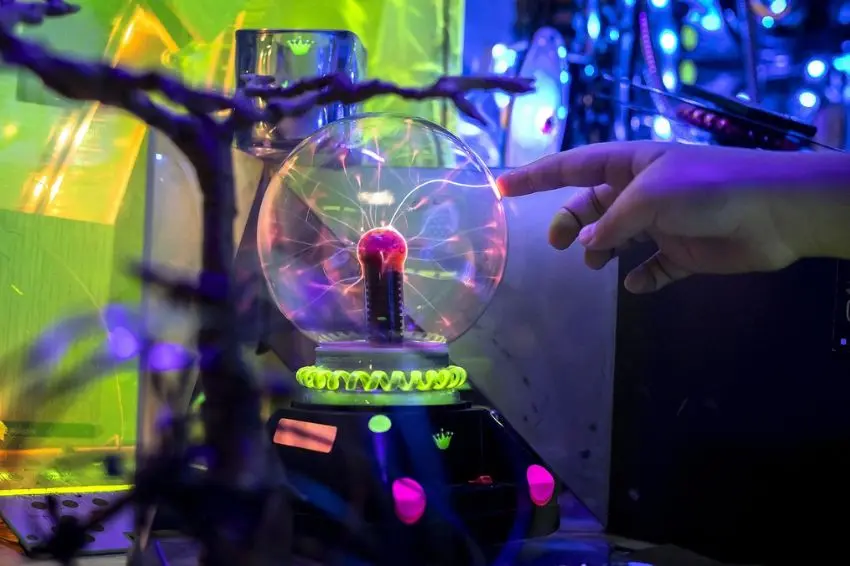
Named "The Future is in Our Hands," the science, arts, and technology station features visual resources, colorful lighting, lasers, and infographics to present concepts related to sustainability, photovoltaic generation, and other renewable energy sources.
The activities are developed in an interactive way, allowing children and adults to engage with scientific and technological topics while participating in the cultural program. “The project goes beyond just showing films, aiming to also combine sustainability and renewable energy. Children and adults have fun and learn,” says Cynthia Alario, the project's creator.
The program includes 17 short films.
The opening circuit will feature 17 national and international audiovisual productions, including animations, documentaries, and adventure films aimed primarily at children and young people. The selection brings together works that address themes such as indigenous culture, popular manifestations, diversity, social inclusion, and environmental preservation.
The films will be presented in two thematic sections. The first, Childhoods and Playtime – “Where Stories Live”, brings together narratives about imagination, play, and Brazilian popular culture. already show it Inclusion, Emotions and the Environment – “Tomorrow Lives Here” It features productions that address diversity, feelings, and sustainability.
The program also includes the Mexican short film. A trip for Emilio, which is part of the SFF Brasil (Science Film Festival). According to the organizers, the initiative is aligned with ten of the 17 SDGs (Sustainable Development Goals) of the UN (United Nations), focusing on democratizing access to culture, social inclusion, and disseminating sustainable practices.
The project will offer training and financial aid for young people.
In addition to film screenings, Cine Energia will develop professional training initiatives through the Young Producer Program. The initiative will select one young resident from each of the 42 participating municipalities to take a free cultural production course, receiving a certificate of completion and a stipend of R$ 1.200,00.
The training will consist of 27 hours of instruction, distributed between virtual classes, in-person meetings, and practical activities carried out during the film's tour of the cities. The content includes knowledge related to cultural management, audiovisual production, community mobilization, the use of digital tools, and socio-environmental sustainability.
According to Cynthia Alario, the goal is to provide training opportunities and encourage the development of cultural agents in the communities served. The project also aims to boost the local economy by contracting services in the participating cities, including suppliers of popcorn, sound systems, lodging, and food for the teams.
By combining solar power generation, film screenings, and educational activities, Cine Energia seeks to broaden access to culture and promote practical applications of renewable energy in different regions of Northeast Brazil.
all the content of Canal Solar is protected by copyright law, and partial or total reproduction of this site in any medium is expressly prohibited. If you are interested in collaborating or reusing part of our material, please contact us by email: redacao@canalsolar.com.br.




Comments
Comments are moderated before publication.Comments should be respectful and contribute to a healthy debate. Offensive comments may be removed. The opinions expressed here are those of the authors and do not necessarily reflect the views of the author. Canal Solar.