
Law 15.269/2025 established a timeline to expand access to the Free Energy Market in Brazil, allowing low-voltage consumers, including residences and small commercial establishments, to also choose which company to buy electricity from.
The opening of the free market will be gradual, in two stages. The first, scheduled for one year from now, on November 25, 2027, will include low-voltage commercial and industrial consumers. Residential consumers and other profiles will be able to migrate starting November 25, 2028.
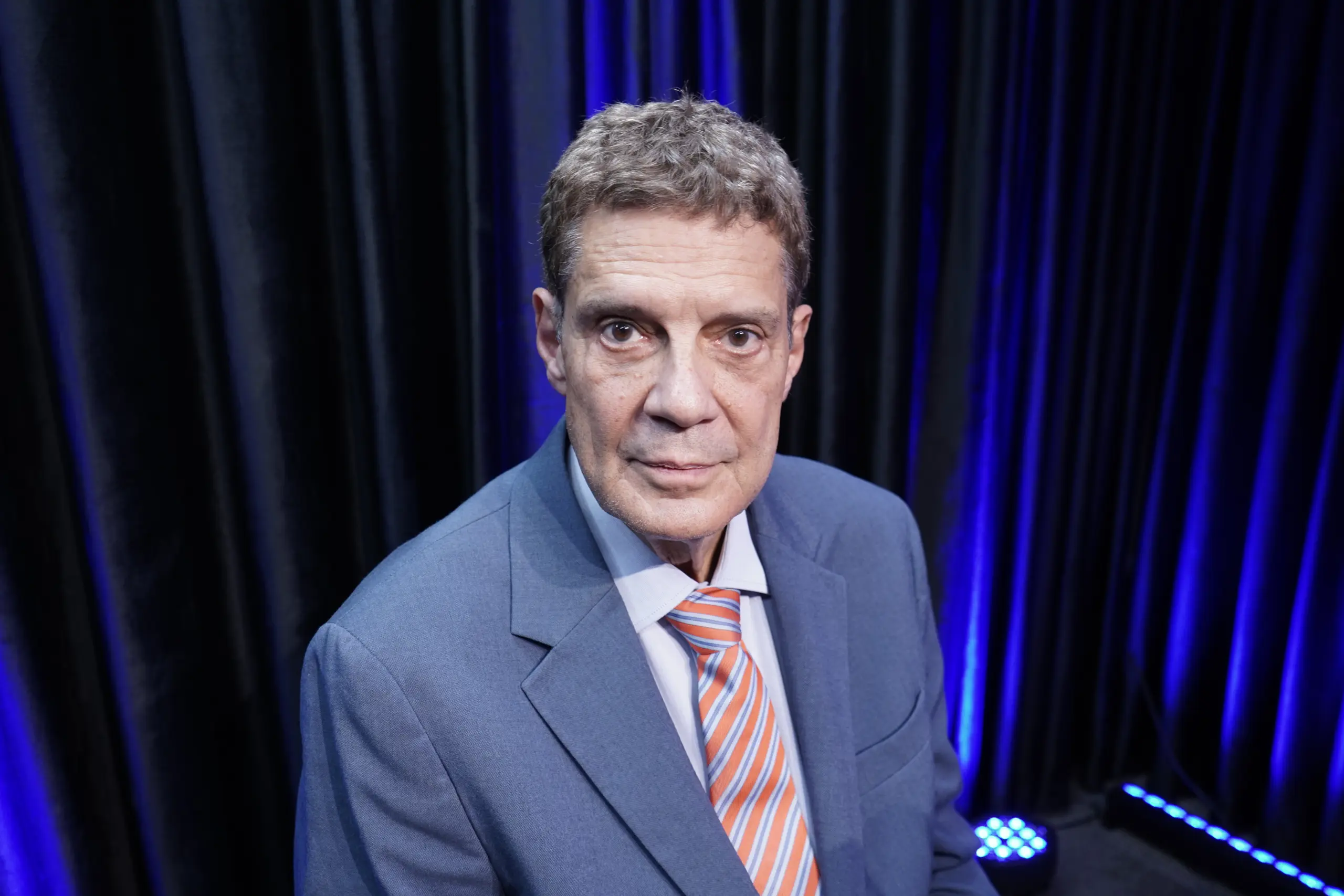
The topic was discussed in Papo Solar #202, a podcast by Canal Solar who received Luiz Fernando Vianna, Institutional and Regulatory Vice President of the Delta Energia Group.
During the episode, the executive explained how the market opening will work, what opportunities may arise, and what consumers should consider before hiring a supplier.
What changes in consumer choice?
With the expansion of the free market, consumers will be able to choose which supplier to buy electricity from, without being restricted to companies operating in their regions.
In practice, the change will allow for comparing offers and hiring suppliers from different locations, expanding the possibilities for choice.
According to Vianna, a trading company located in São Paulo, for example, will be able to serve consumers in states like Rondônia and Acre, regardless of geographical distance. "There will be no regional restrictions," he stated.
Despite the possibility of choosing a new company to purchase energy, the infrastructure responsible for delivering electricity will continue to be operated by local distributors.
This means that changing suppliers will not require replacing the electrical grid used by the consumer. Distributors will remain responsible for the distribution infrastructure, while energy traders will handle the sale of the energy.
According to Vianna, this separation is important to clarify one of the doubts related to the opening of the market: choosing another supplier does not, in itself, mean a change in the quality of the energy received.
How to choose an energy supplier?
Although opening the market expands hiring possibilities, Vianna warned that consumers will need to carefully evaluate companies before closing a deal.
According to the executive, price will be one of the main selection criteria, but it shouldn't be the only one. The reputation of the supplier and the quality of services offered will also need to be considered.
To explain this process, Vianna compared contracting for energy to purchases made on e-commerce platforms, where consumers can evaluate different sellers before making a decision.
"When you choose a supplier, it's the same as when you make a purchase on Mercado Livre, the little yellow marketplace. You have to look at the price, but also who will offer you the best deal."
The executive also recommended checking companies' reputations on consumer review and complaint platforms. "Is the supplier offering a very good price? Let me go to Reclame Aqui [a Brazilian consumer complaint website] and see what the level of complaints is like for that supplier," he exemplified.
The guidance reinforces the importance of considering not only the initial cost savings, but also the reliability of the company responsible for the commercial supply of energy.
Will my electricity bill get cheaper?
The possibility of negotiating with different suppliers represents an opportunity for consumers to seek more advantageous commercial conditions. However, the opening of the Free Energy Market does not necessarily mean that everyone will see a reduction in their electricity bill.
Vianna emphasized that discounts and attractive offers should not be the only factors considered when hiring a service. According to the executive, consumers should also consider the safety and quality of the services offered, avoiding making decisions solely based on the lowest price.
The change, therefore, will require a more proactive stance from consumers, who will begin to compare suppliers and evaluate commercial conditions before choosing from whom to buy energy.
Watch the full episode:
all the content of Canal Solar is protected by copyright law, and partial or total reproduction of this site in any medium is expressly prohibited. If you are interested in collaborating or reusing part of our material, please contact us by email: redacao@canalsolar.com.br.


Comments
Comments are moderated before publication.Comments should be respectful and contribute to a healthy debate. Offensive comments may be removed. The opinions expressed here are those of the authors and do not necessarily reflect the views of the author. Canal Solar.