
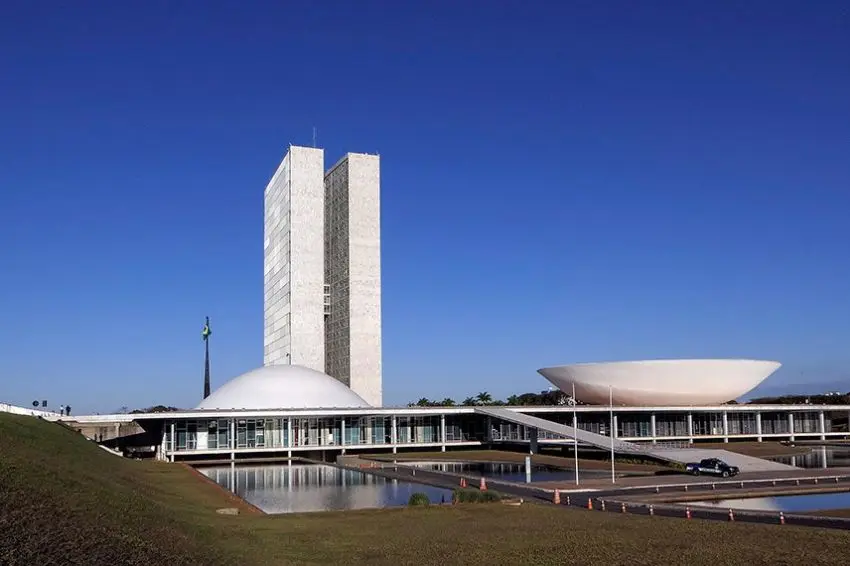
O Idec brought an important discussion to the Senate.If data centers cause additional costs to the electrical system, these costs must be identified by... ANEEL (National Electric Energy Agency) and attributed to those who caused them, preventing their indiscriminate transfer to other consumers.
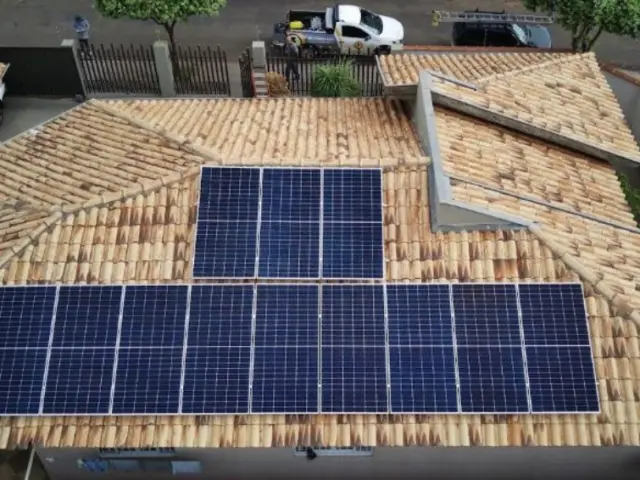
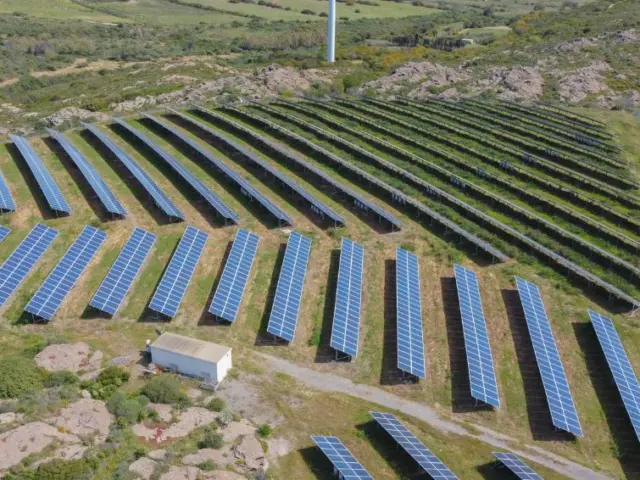
The principle is correct, but it needs to be applied in its entirety. If the system can identify and value the cost caused by one agent, it must be equally capable of identifying and valuing the benefits provided by another. This is precisely the discussion that needs to advance in relation to distributed generation.
Energy produced close to the point of consumption can reduce losses, modify grid flows, and, depending on the location and time, postpone infrastructure investments. Combined with energy storage and appropriate tariff signals, it can also offer system flexibility. None of this should be assumed, however: costs and benefits need to be technically measured and subjected to the same methodology.
The discussion also needs to address decisions with a major impact on electricity bills. The Capacity Reserve Auction, for example, involves long-term contracts that will be borne by consumers. So far, we have not found any public statement from Idec (Brazilian Institute for Consumer Protection) of equivalent intensity regarding its impacts.
If it exists, it should be part of the debate. If it doesn't exist, its absence deserves reflection, because an institution dedicated to consumer protection is strengthened when it applies its principles comprehensively, regardless of the technology or the agent involved.
The proposal presented in the Senate therefore offers an opportunity to improve the regulatory debate. Instead of accounting for costs attributed to specific technologies in isolation, Brazil should move towards transparent methodologies capable of measuring the net impact of each resource on the system.
For distributed generation, this means recognizing that the discussion cannot be limited to how much of the grid it uses. It is also necessary to calculate how much can be avoided in losses, investments, and other systemic costs, considering the location, time of day, and characteristics of each network.
If those who cause costs should pay for them, then those who demonstrably avoid costs also need to have their benefits recognized. Applying the same standard to data centers, distributed generation, batteries, and other system resources does not favor one technology over another. It favors efficiency, regulatory consistency, and, above all, the Brazilian consumer.
The opinions and information expressed are the sole responsibility of the author and do not necessarily represent the official position of the author. Canal Solar.
Comments (1)
Comments are moderated before publication.Comments should be respectful and contribute to a healthy debate. Offensive comments may be removed. The opinions expressed here are those of the authors and do not necessarily reflect the views of the author. Canal Solar.
I understand that we must not forget that the load, the end consumer, is the primary reason for the existence of the electrical system. The other agents exist to serve the consumer, among them the Data Centers.