

According to the latest Electricity Market Report from the IEA (International Energy Agency), global demand for electrical energy is expected to increase by 2% this year and 3,3% in 2024. Despite the positive result, the decline in consumption of economies advanced is pulling the rate down.
Electricity demand in the United States is expected to decrease by almost 2% this year, while in Japan the forecast is for a drop of 3%. Electricity demand in the European Union is expected to fall by 3%, similar to the reduction recorded in 2022.
Following these two consecutive declines, which together represent the largest drop in EU demand on record, electricity consumption in the EU is on track to reach levels last seen in 2002.
China's demand is expected to increase at an average annual rate of 5,2% over the next two years, only slightly below the average from 2015 to 2019. India's average annual demand growth through 2024 is estimated at 6,5%, well above the average from 2015 to 2019.
The rise in global electricity demand is still largely supported by the electrification of the economy, as efforts intensify to reduce carbon dioxide emissions.
Rising temperatures are also leading the population to use air conditioning more. The growth of emerging and developing economies is also contributing to increasing demand.
The report further examines in detail the forces that are driving the decline in electricity demand in the EU. The bloc's energy-intensive industries have yet to recover from last year's drop in production.
Almost two-thirds of the net reduction in electricity demand in the EU in 2022 is estimated to have come from energy-intensive industries dealing with high energy prices following Russia's invasion of Ukraine. This trend has continued well into 2023, despite energy and electricity commodity prices falling from previous peaks.
Participation of renewables
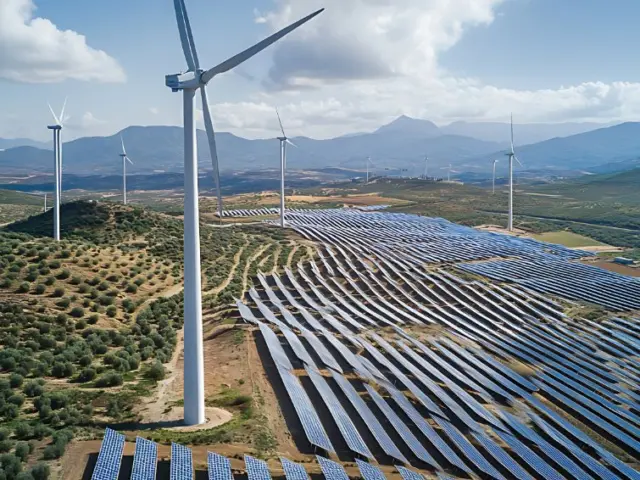
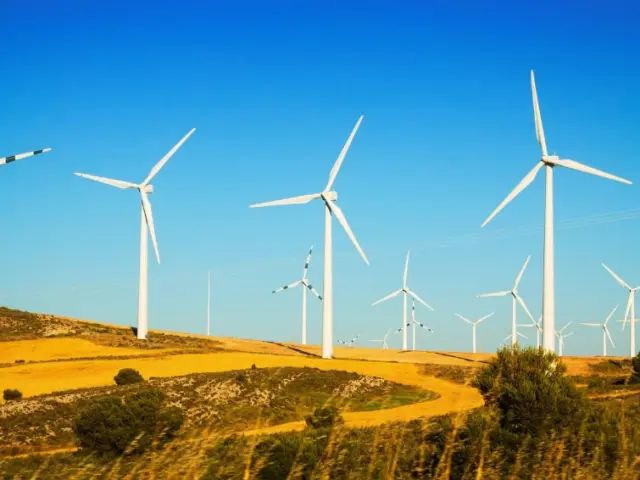
According to the IEA, the strong use of renewables around the world means they are on track to meet all additional growth in global electricity demand over the next two years.
By 2024, the share of renewable energy in global electricity generation will exceed one third. And depending on weather conditions, 2024 could become the first year in which more electricity is generated globally from renewable sources than from coal.
At the same time, electricity generated from fossil fuels is expected to decline over the next two years. Electricity generated from oil is projected to decline significantly, while coal-fired power generation will decline slightly in 2023 and 2024 after increasing 1,7% in 2022.
“The world will have a strong need for electricity in the coming years. The global increase in demand by 2024 is expected to be around three times Germany's current electricity consumption,” said Keisuke Sadamori, director of Energy Markets and Security at the IEA. “And we are encouraged to see renewables taking up a growing share of electricity generation, resulting in declines in the use of fossil fuels for power generation. Now is the time for policymakers and the private sector to seize this moment to ensure that energy sector emissions enter a sustained decline.

In a further sign that the energy transition is happening, the IEA predicts that electricity generated from fossil fuels will decline in four of the six years between 2019 and 2024.
In the past, annual declines in fossil fuel generation were rare and occurred mainly after global energy and financial shocks, when global electricity demand was suppressed. But in recent years, electricity generated from fossil fuels has lagged or declined, even as electricity demand has expanded.
This indicates that the world is rapidly approaching a tipping point where global electricity generation from fossil fuels will increasingly be replaced by electricity from clean energy sources.
Click here to read the full report in English.

Comments
Comments are moderated before publication.Comments should be respectful and contribute to a healthy debate. Offensive comments may be removed. The opinions expressed here are those of the authors and do not necessarily reflect the views of the author. Canal Solar.