
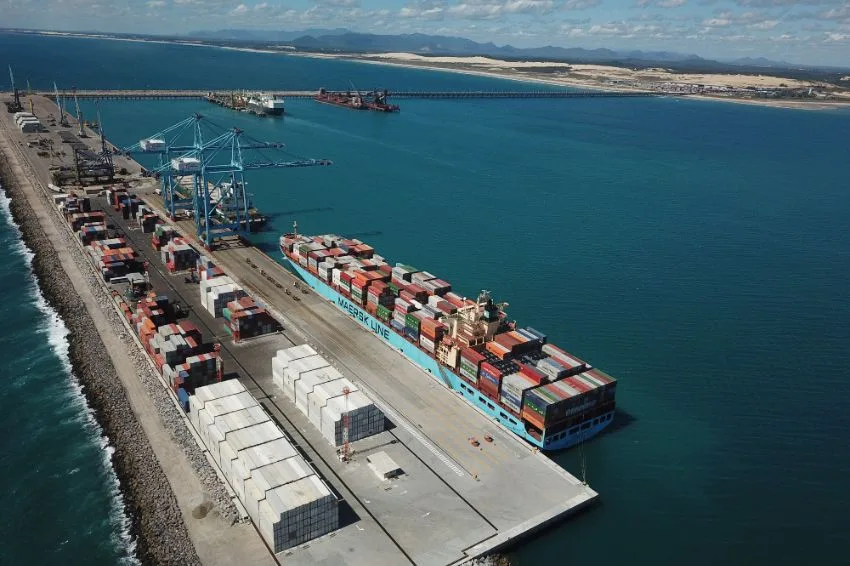
As critical as the availability of clean and abundant electricity is for the generation of green hydrogen, the supply of water in large volumes is also essential for electrolysis, a key electrochemical process for the production of gaseous energy.
The challenge is to exploit water resources while causing the least possible socio-environmental impact in a region with a historically dry climate, such as Ceará, which is also one of the Brazilian states most sought after by international entrepreneurs for the implementation of green hydrogen complexes.
Sensitive to this issue, the World Bank has pledged US$134 million to finance a broad project aimed at ensuring a sustainable supply of industrial water in volumes suitable for the production of green hydrogen.
In parallel, the objective is also to improve access to water for the populations neighboring the Port of Pecém, a location that has been leading the preference of foreign companies interested in investing in the generation of green hydrogen on a large scale for export.
The preliminary study for the feasibility of this is being carried out by Rina, an engineering company based in Italy, which will develop the project in partnership with Krypton.
Technology selection
Among the aspects foreseen in the preparation of the study, there is:
- Comparative analysis of the feasibility of effluent reuse versus seawater desalination;
- Assessment of environmental impacts associated with each strategy;
- Projection of water demand at the Port of Pecém over the next 5 to 10 years – aligned with the region’s industrial growth;
- Analysis of regulatory compliance and infrastructure to ensure proper use of existing water supply systems.
The contract with the World Bank also involves the development of a complete inventory of GHGs (Greenhouse Gases), an energy balance, and a decarbonization plan for the region's energy-intensive industrial hub.
Among other initiatives aimed at attracting investment, the state government created the Ceará Green Plan, aligned with the energy transition. To date, approximately 40 memoranda of understanding have been signed with national and international companies for green hydrogen production, six of which have already been converted into pre-contracts.
Financial support from the World Bank is provided through an IPF (Investment Project Financing) instrument. The total value of US$ 134 million includes:
- US$90 million loan from the World Bank;
- US$9 million grant from the World Bank Surplus-financed Habitable Planet Fund,
- US$33,5 million loan from CIF (Climate Investment Funds) under REI (Renewable Energy Integration Program),
- US$1,5 million CIF REI donation.
all the content of Canal Solar is protected by copyright law, and partial or total reproduction of this site in any medium is expressly prohibited. If you are interested in collaborating or reusing part of our material, please contact us by email: redacao@canalsolar.com.br.
Comments
Comments are moderated before publication.Comments should be respectful and contribute to a healthy debate. Offensive comments may be removed. The opinions expressed here are those of the authors and do not necessarily reflect the views of the author. Canal Solar.