
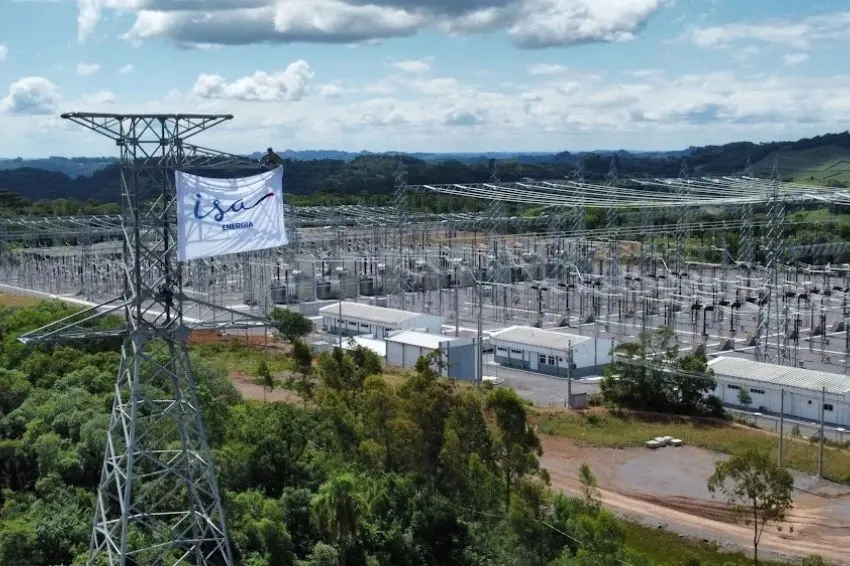
The expansion of renewable energy generation, the electrification of the economy, and the growing demand for data center infrastructure are expanding investment opportunities in the power transmission sector.
It is in this context that ISA Energia Brasil plans to invest R$ 7,2 billion in reinforcements and improvements to the São Paulo power grid, in addition to advancing the construction of two major projects that, together, should add R$ 600 million to the company's revenue when they become operational.
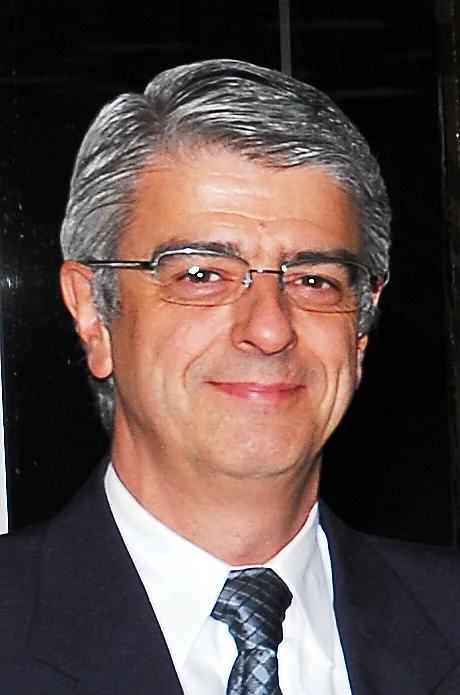
In an interview with Agora Invites videocastIn a statement broadcast on October 20th, the company's president, Rui Chammas, stated that growth will continue to be a priority, but conditional on the profitability of investments, debt control, and maintaining the dividend policy. "I don't want to accelerate more than I can manage with financial discipline," he summarized.
Reinforcements and new concessions
One of the main growth areas lies in the company's renewed concession in São Paulo, responsible, according to Chammas, for 95% of the energy transmitted in the state. The R$ 7,2 billion earmarked for reinforcements and improvements has already been authorized by... ANEEL (National Electric Energy Agency) and should be applied in the coming years, increasing the return on assets.
Another front involves the concessions for the Serra Dourada and Itatiaia projects, which are still under implementation, the executive explained. The first is in an advanced stage of construction, while the second is awaiting licensing to begin work subsequently.
The two projects still require just over R$ 4 billion in investments. The company also uses mergers and acquisitions to reorganize its portfolio. This year, it sold its 51% stake in the Garanhuns concession to Axia and acquired the 49% stake in Interligação Elétrica Madeira that belonged to its partner.
The transaction required a payment of R$ 1,2 billion for the difference between the assets and, according to Chammas, created value for both companies and simplified ISA's operational structure. The scale of the ongoing projects reflects the recent investment history, highlighted the president of ISA Energia Brasil.
In 2025, the company invested R$ 5,1 billion in new concessions, reinforcements, and improvements. For 2026, the expectation is to reach a similar amount, also considering the acquisition of a stake in Interligação Elétrica Madeira.
Data centers and energy transition
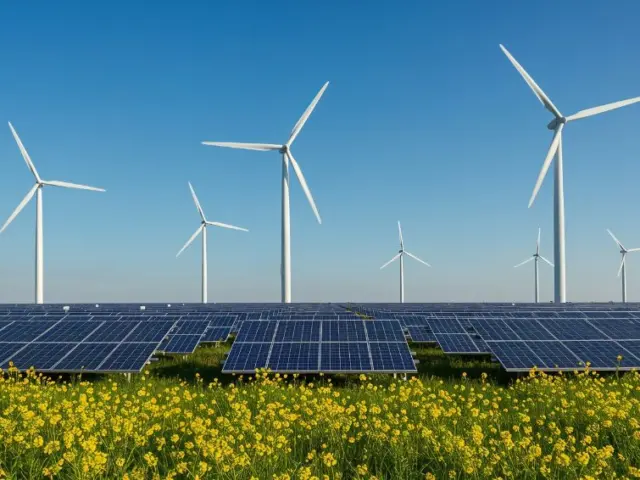
Chammas believes that the transformation of the electrical system has increased the complexity and importance of transmission. The expansion of intermittent sources, such as solar and wind, requires transporting energy from regions with a large supply of generation, especially the Northeast and northern Minas Gerais, to the consumption centers of the Center-South.
At the same time, consumers installing solar panels have begun injecting energy into the grid, making voltage and frequency control more challenging. The electrification of mobility and the growth of data centers add new needs, he points out.
These facilities require a large amount of energy and tend to be concentrated near consumer centers, such as the São Paulo region, to reduce the response time of digital services. "This reinforces the need to expand and modernize the transmission infrastructure," he points out.
ISA currently has approximately 23 kilometers of lines in its portfolio. Two projects under construction add up to approximately 1.500 kilometers. "The combination of new lines and reinforcements to existing networks opens up a huge growth opportunity in a stable, well-known business with attractive profitability," he assesses.
Operational efficiency
In addition to investing in assets, the company, according to the executive, seeks to bring projects into operation earlier and reduce implementation costs. Between 2019 and 2026, the company delivered 17 projects with an average of 11 months ahead of schedule. ANEEL and savings of over 20% compared to the agency's benchmarks.
According to Chammas, the average profitability for shareholders, measured by the internal rate of return, has exceeded 10% in the tendered projects delivered in recent years. In daily operations, the strategy includes artificial intelligence, drones, and continuous monitoring of lines and substations.
Technology already allows for the identification of more than ten types of faults from images captured by drones. Asset data is also used to prioritize interventions according to reliability and criticality criteria, with the goal of preventing downtime and controlling expenses.
Dividends and debt limit
The president stated that the company's expansion follows three basic principles: investing in profitable projects, maintaining financial discipline, and continuing dividend distribution. The company has a policy of allocating 75% of its regulatory profit to shareholders and intends to continue this policy, also making use of interest on equity, which can bring tax efficiency.
Chammas emphasized that financing investments requires attention to the level of indebtedness and the perception of risk in the credit market. ISA Energia Brasil, he affirms, seeks to preserve its "triple A" credit rating and avoid leverage that increases the cost of capital and reduces the profitability of projects.
“Our goal is to achieve what we call corporate longevity,” he emphasized. According to him, the intention is to combine sustainable growth, shareholder returns, and renewal of the concession portfolio without compromising the company's financial health.
all the content of Canal Solar is protected by copyright law, and partial or total reproduction of this site in any medium is expressly prohibited. If you are interested in collaborating or reusing part of our material, please contact us by email: redacao@canalsolar.com.br.
Comments
Comments are moderated before publication.Comments should be respectful and contribute to a healthy debate. Offensive comments may be removed. The opinions expressed here are those of the authors and do not necessarily reflect the views of the author. Canal Solar.