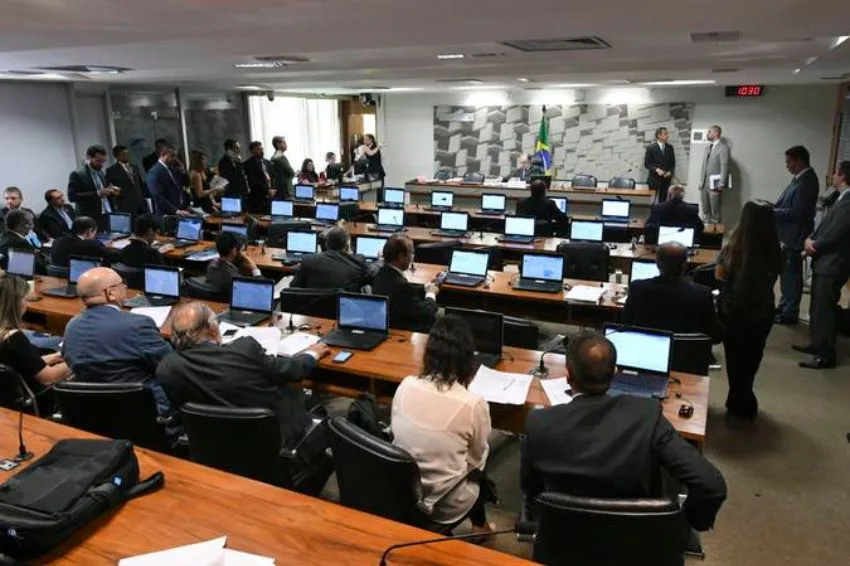

The Arayara International Institute requested the rejection of the substitute bill approved by the Senate's Infrastructure Committee. Bill No. 5.017/2019, because the text reinforces the logic of compulsory expansion of natural gas-fired thermal power plants, including in regions without a consolidated supply of the fuel, with the potential to increase electricity costs for consumers.
According to the organization, the changes made to the project distort its original purpose and introduce structural changes to Brazilian energy policy without considering the sector's technical planning.
According to the organization's assessment, the proposal creates obligations to contract fossil fuel generation for up to 30 years and transfers the costs of these measures to electricity tariffs. The Institute states that the substitute bill also increases risks for system planning, sector governance, and the energy transition.
The original project was expanded.
The proposal previously approved by the Chamber of Deputies dealt with discounts on energy tariffs for irrigation, aquaculture, and pumping water for human consumption.
In the Senate, however, the substitute bill significantly expanded its scope, increasing from two to nine articles, amending seven federal laws and incorporating provisions related to the mandatory contracting of thermoelectric and hydroelectric power plants, as well as changes involving research and development resources from Aneel (National Agency of Electric Energy) and rules for the electricity sector.
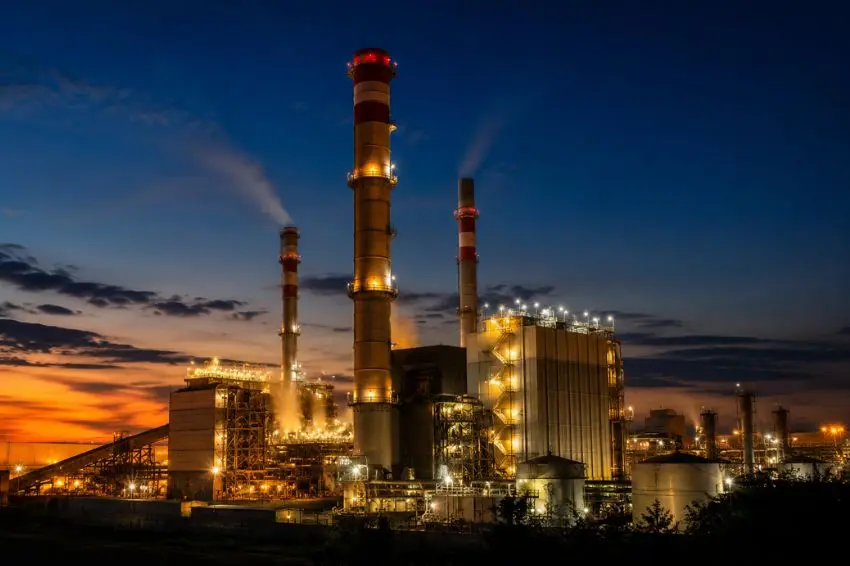
Among the provisions included is the requirement that the ANEEL (National Electric Energy Agency) conduct auctions aimed at contracting thermoelectric generation in the Northern Region using natural gas from the Amazon.
The text also provides for the contracting of 2,5 GW of gas-fired thermal power plants with a minimum inflexibility of 70%, in addition to 4,9 GW of small hydroelectric plants with a capacity of up to 50 MW.
According to Arayara, these changes replicate the logic of the so-called "Brasduto" project, encouraging the construction of power plants in regions that do not yet have a consolidated natural gas supply infrastructure.
According to the organization, this strategy tends to require significant investments in infrastructure and create additional costs that could be passed on to energy tariffs over the next few years.
Senator wants evaluation by the CAE (Committee on Economic Affairs).
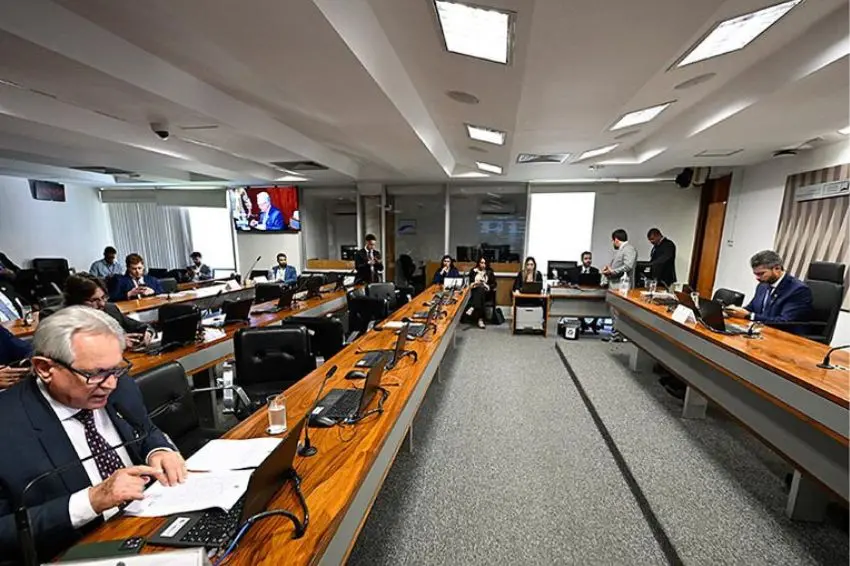
After the substitute bill was approved by the Infrastructure Committee, Senator Eduardo Braga (MDB-AM) filed a request for the project to also be analyzed by the Economic Affairs Committee (CAE) before going to a vote in plenary.
In the request, the parliamentarian argues that the changes promoted by the substitute bill go beyond the original objective of the proposal and introduce significant changes to the legislation of the electricity sector, with impacts on consumers, planning, governance, and competitiveness among agents. For this reason, he argues that the text should be submitted to the CAE (Committee on Economic Affairs) for analysis before the Senate's final deliberation.
all the content of Canal Solar is protected by copyright law, and partial or total reproduction of this site in any medium is expressly prohibited. If you are interested in collaborating or reusing part of our material, please contact us by email: redacao@canalsolar.com.br.