

In a recent conversation with my communications and marketing team about future strategies in the area – with positive perspectives. I reminded them that once when asked about a new challenge I would face, I said I believed in two things: in God and in marketing.
We will not discuss beliefs, each to their own. But it is a fact that, with a well-articulated strategy, it is possible to identify, access and clarify any audience. This is the great power of marketing. Perhaps it is characteristic of being a restless enthusiast, but I compare this analogy with the solar segment.
It is not new that I vehemently defend its potential, not only as a source of energy, but also as a source of economic development, social inclusion, employment opportunities and transformation in people's quality of life.
It is impossible to cover the Sun with a sieve. Trying to hide the development of photovoltaic energy with temporary measures is inefficient. Part of this democratization is our insertion in the Northeast region of the country, which has potential in different aspects, but mainly due to the levels of solar irradiation and investments in the region.
I believe it is our duty to promote the democratic use of photovoltaic energy, access for all, and demystify certain myths, such as solar energy being only for the rich and those who don't have it pay for those who do. Proof of this are the different ways of acquiring the system and very attractive financing lines where the customer doesn't have to pay for the installment with their own savings on their electricity bill. It is an economical and sustainable alternative.
There are also high electricity rates charged by concessionaires and, in some cases, poor quality of service. Sergipe, for example, has the most expensive energy tariff in the country, which is R$0,64 according to the conventional average in reais per kWh – without including taxes such as ICMS, PIS/PASEP and Cofins.
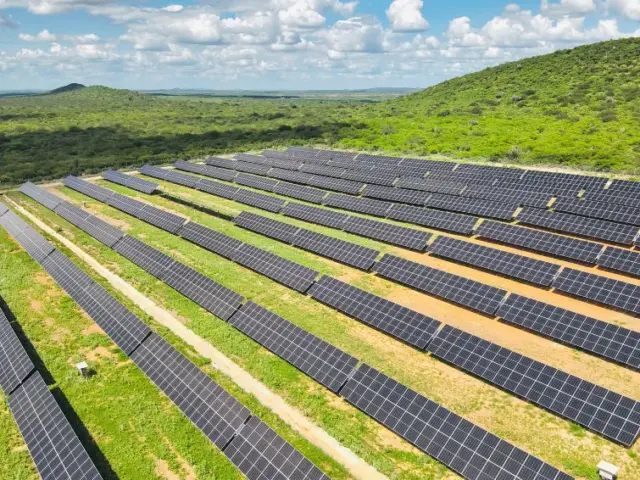
While Maranhão has the second highest in the Northeast, at R$0,63 and is the sixth highest tariff in the country according to data from ANEEL (National Electric Energy Agency). The scenario is extremely favorable and the calculation is simple. The Northeast region is promising, is emerging in terms of generation and already has approximately one hundred photovoltaic plants installed, divided into micro and mini plants.
Not only that. In the month of April, it registered a record reaching 561 average MW according to figures from the ONS (National System Operator) and the components of photovoltaic kits increasingly employ high technology, precision and performance – a Sun that should not be covered.

Comments
Comments are moderated before publication.Comments should be respectful and contribute to a healthy debate. Offensive comments may be removed. The opinions expressed here are those of the authors and do not necessarily reflect the views of the author. Canal Solar.