
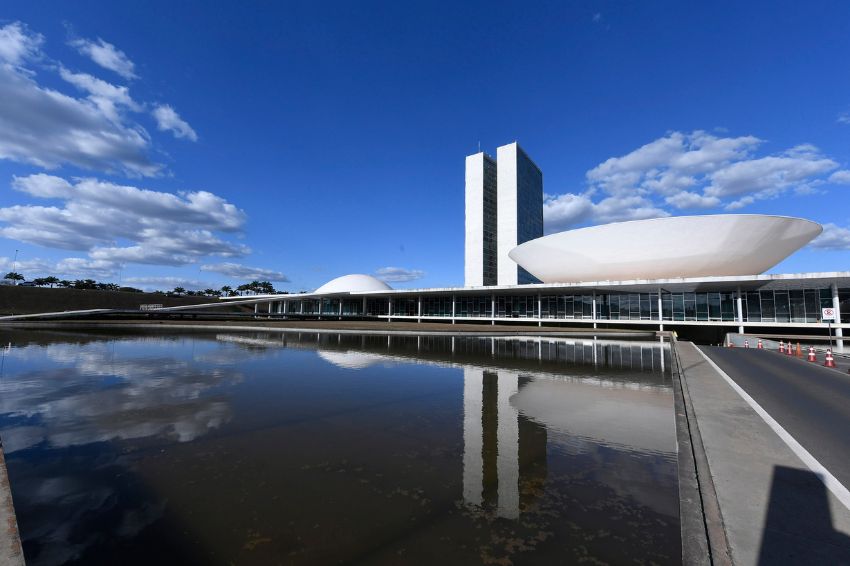
The President of the Republic, Jair Bolsonaro, promulgated the vetoed parts of the 14.300 Law, which established the Legal Framework for GD (distributed generation). The publication took place this Friday (5) in the DOU (Official Gazette of the Union).
The document approved by the chief executive, on January 6th of this year, did not authorize the articles that provided for the inclusion of floating plants (§ 3 of article 11) in the distributed generation and projects benefiting from Reidi (article 28).
Law No. 14.300: GD's Legal Framework is sanctioned by Bolsonaro with two vetoes
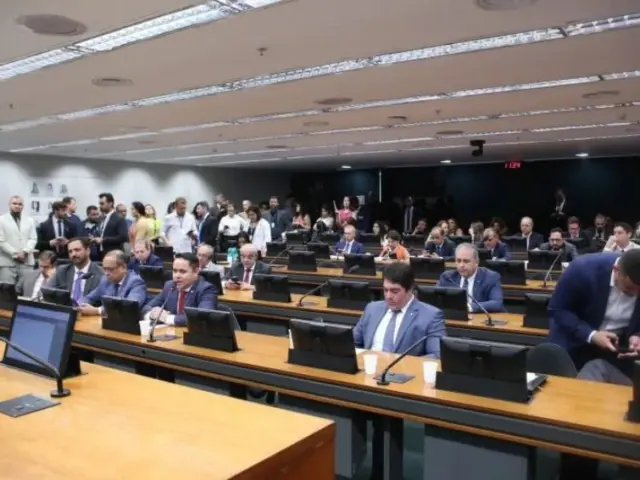
However, the vetoes were overturned on July 14th by the National Congress, in accordance with paragraph 5 of art. 66 of the Federal Constitution.
In an interview with Canal Solar, Luiz Piauhylino Filho, director of Sunlution, and Einar Tribuci, a lawyer specializing in the electricity sector and tax law, commented on what was changing in practice for the DG market. Check it out on link.
Below are the vetoed and now enacted provisions:
- § 3 of article 11: classifies floating photovoltaic generation units installed on the water depths of water reservoirs, dams and lakes, both natural and artificial, as micro or mini generators.
According to The Senate Agency, the government claimed that generating plants could split up their units to benefit from being classified as “mini-generators”, which would result in an estimated extra cost of R$7 billion passed on to the consumer.
- Article 28: includes distributed minigeneration projects in Reidi (Special Incentive Regime for Infrastructure Development).
The federal government claimed, in this case, that extending the benefits of Reidi, aimed at large infrastructure projects, is not appropriate to the scale of minigeneration, generating a new tax waiver without impact studies or compensatory measures and violating the Fiscal Responsibility Law ( Complementary Law 101/2000).


Comments (1)
Comments are moderated before publication.Comments should be respectful and contribute to a healthy debate. Offensive comments may be removed. The opinions expressed here are those of the authors and do not necessarily reflect the views of the author. Canal Solar.
Excellent article Mateus Badra, combined with the source of “Solar Energy”, “Green Hydrogen” is another source of renewable energy that is rapidly developing in the “World” and in “Brazil”.