

The production of metal structures for photovoltaic systems requires engineering precision, rigorous quality control, and adherence to applicable technical standards.
From structural design to manufacturing and finishing processes, each step directly influences the durability, safety, and performance of solar power plants.
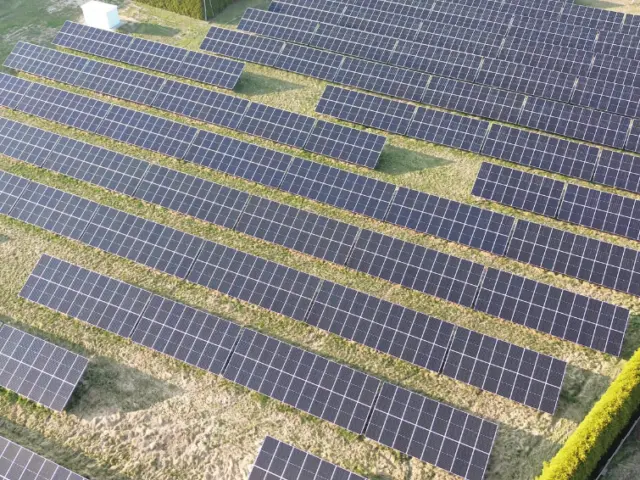
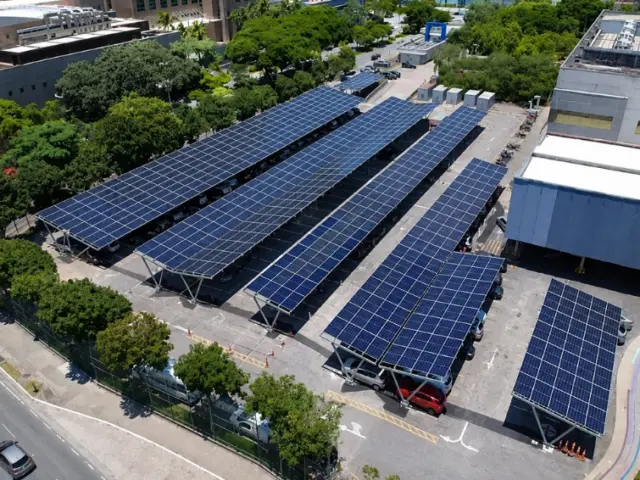
In this context, manufacturers need to combine production capacity, industrial technology, and regulatory compliance to meet the demands of projects of varying sizes, from smaller systems to large-scale plants.
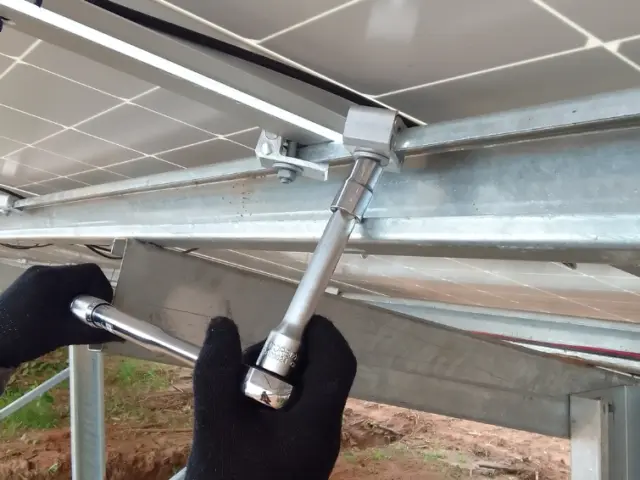
This process involves the analysis of technical parameters, the appropriate selection of materials, and the application of standardized industrial processes, ensuring that the components meet the mechanical, environmental, and operational requirements of photovoltaic projects.
Today, at Metal Light Solar Estruturas, we offer two commercial models. The first is modular structure kits for power plants with 4, 8, 12, 16, and 20 modules, ideal for smaller plants that customers can pick up with smaller vehicles, allowing for faster delivery.
The second model is customized sales, where we analyze various aspects such as module size, number of modules per row, topography, and installation location. This allows us to define the best structure to meet the client's needs, ideal for larger plants where optimization is a priority, with delivery times ranging from seven to 21 days, depending on the region and type of structure.
Regardless of the business model, the structures are manufactured following rigorous quality standards for product delivery. Initially, the engineering department, together with the production planning and control (PPC) department, analyzes which structure needs to be manufactured, issuing the manufacturing order along with the manufacturing plans and configurations for the automated machines. These manufacturing plans are based on ABNT NBR 6355 and AWS D1.1 standards.
Currently, Metal Light Solar Estruturas manufactures approximately 800 tons of steel and 200 tons of aluminum per month, with a delivery capacity of about 12 meters of profiled sheet per minute using two automated roll forming machines.
Once the materials to be sold and their manufacturing plans are defined, the raw material is made available and initially undergoes a stamping or laser cutting process where all holes and cuts are made.
Depending on the type of part, the material goes to the bending area or to a roll forming machine where the material will be shaped. If included in the project, the part goes through the welding process.
At all stages, quality processes are carried out using the sampling plan present in ABNT NBR 5426, where a technician inspects each stage with a plan of approximately 3,2% of the parts, with an accuracy rate of 87,5%.
These numbers are significant, considering that sampling plans typically involve approximately 1% of the parts with 70% accuracy. After all parts are manufactured, we send them to the galvanizing plant, where we perform a zinc bath with 99% purity, adhering to the rigorous standards of ABNT NBR 6323.
The standard requires approximately 49 micrometers for parts up to 2mm thick, but at Metal Light Solar Estruturas, we guarantee our clients a thickness of approximately 70 micrometers.
We do not recommend the use of pre-galvanized steel, as the standard only requires approximately 20 micrometers for Z275. Pre-galvanized steel is ideal for the appliance and automotive industries, since it is used in conjunction with a paint coating.
The opinions and information expressed are the sole responsibility of the author and do not necessarily represent the official position of the author. Canal Solar.

Comments
Comments are moderated before publication.Comments should be respectful and contribute to a healthy debate. Offensive comments may be removed. The opinions expressed here are those of the authors and do not necessarily reflect the views of the author. Canal Solar.