
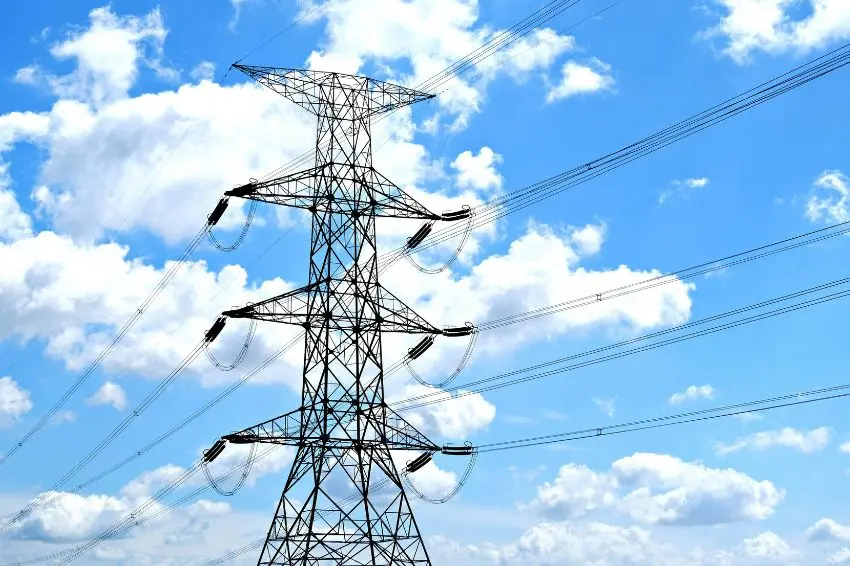
The electricity sector is entering a new phase of its transformation. For decades, the consumer occupied an essentially passive position: they received the energy, paid the bill, and had little opportunity to influence how this service was contracted, managed, or integrated with other energy solutions.
This relationship is beginning to change. The digitalization of networks, the expansion of distributed generation, energy storage, and the gradual opening of the market are creating conditions for a much more active participation by electricity consumers. One of the instruments that could accelerate this transformation is Open Energy.
The concept isn't exactly new. The financial sector underwent a similar transformation with Open Banking, later expanded to Open Finance. The ability to share banking information, with the account holder's permission, allowed for the emergence of new services, greater competition, and financial offerings better suited to each client's profile.
Open Energy is based on a similar logic: allowing consumers to have easy access to their own energy data and to authorize the sharing of this information with companies and institutions of their choice.
In Brazil, this movement gained an important regulatory milestone with Normative Resolution No. 1.175/2026, approved by ANEEL (National Electric Energy Agency) on October 27 and published in the Official Gazette of the Union on November 4.
The regulation establishes procedures for standardized access to and sharing of data through digital interfaces and system integration. The measure is also aligned with the LGPD (Brazilian General Data Protection Law), which guarantees rights to data subjects over their information.
In practice, Open Energy establishes two possibilities. The first is to allow consumers to access their own data in a standardized format, facilitating its consultation and transfer.
The second is to enable this information to be shared with participating institutions, with prior consent, through technological interfaces known as APIs (Application Programming Interfaces).
This sharing will not be indiscriminate. The consumer must expressly authorize who can access their data and for how long. The regulation also ensures the right to revoke this authorization and to find out which institutions have had access to the information. The service will be free for the consumer, and participating institutions must observe security, confidentiality, and data protection requirements.
The implementation will occur in stages. Within 12 months of the publication of the regulation, standardized access to the data itself and a CCEE (Chamber of Electric Energy Commercialization) platform for comparing products and prices offered by retail trading agents should be available.
Within 24 months, the sharing of information between institutions through APIs should be implemented. These deadlines establish a gradual transition to a more digitally integrated environment.
But how does this change the lives of energy consumers? Imagine a company with several consumer units, distributed across different cities. Today, gathering information, comparing contracts, evaluating opportunities for savings, and identifying the best supply model can require considerable effort.
With more accessible and standardized data, space opens up for different service providers to develop analyses and present solutions that are better suited to the reality of each unit.
The same reasoning can be applied to an industry, a condominium, a shopping center, or a supermarket chain. Based on the available information, it will be possible to develop diagnoses, compare supply offers, evaluate contracting alternatives, and identify energy management opportunities.
As the scope of data and digital tools evolve, increasingly sophisticated services may emerge. This is where Open Energy encounters another fundamental transformation: the decentralization of the electricity sector.
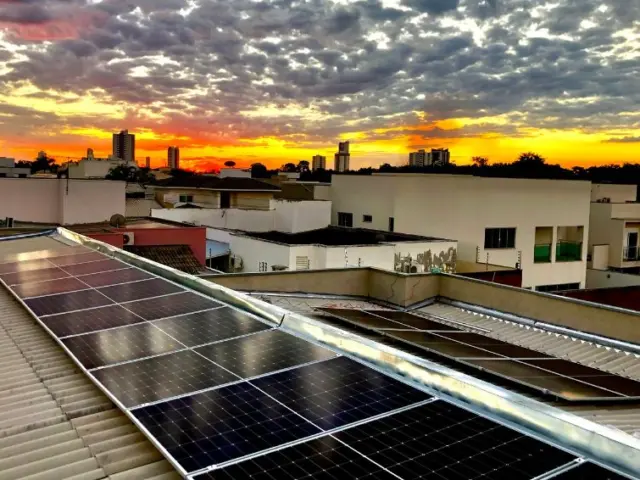
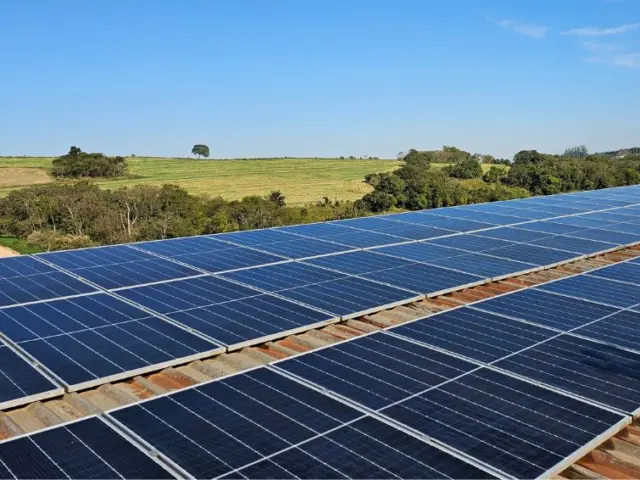
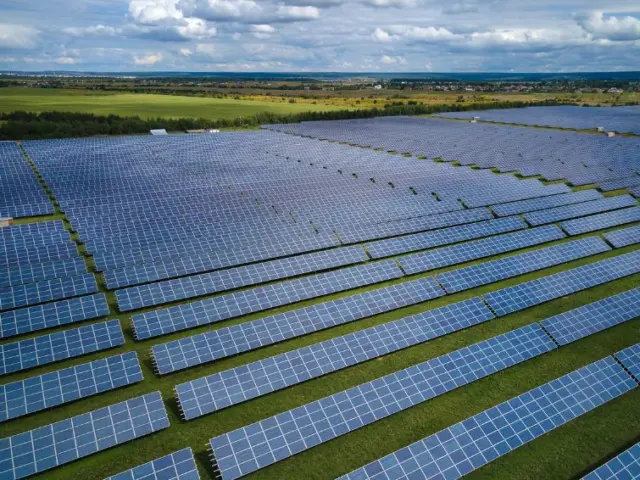
The expansion of distributed generation has changed the relationship between consumers and the electrical grid. Thousands of consumer units have started producing part or all of the energy they use, mainly through photovoltaic systems. Some also share surplus energy, participate in shared generation models, or manage different consumer units within the same business structure.
However, producing energy does not necessarily mean having control over all energy management. There is still a long way to go to integrate generation, consumption, storage, electric mobility, and smart grids into a single management environment.
Open Energy can contribute to this integration by promoting the standardized flow of information and stimulating the development of new services. A specialized company could, for example, combine billing and contracting information with other legitimately obtained data to assess the suitability of installing solar power generation, batteries, or energy consumption management systems.
An industry may identify opportunities to optimize its energy contracting. A commercial enterprise may study the integration between self-generation, storage, and charging infrastructure for electric vehicles.
It is important to understand that Open Energy, by itself, does not perform these operations nor does it automatically provide all the necessary technical data. It creates a regulatory and digital infrastructure to facilitate access to and sharing of information. The expansion of services will depend on the evolution of available data, technological integration, and other rules applicable to the sector.
Another relevant aspect is the opening of the energy market. ANEEL It also approved measures to simplify the migration of Group A consumers, served at medium and high voltage, to the Free Contracting Environment.
The ability to compare offers and share information could reduce the asymmetry between consumers and suppliers, creating better conditions for competition. The broader opening of the market to Group B consumers, served at low voltage, will still be subject to specific regulation.
We're not just talking about technology. We're talking about a shift in the power dynamics within the electricity sector.
When consumers have access to their own information, they can choose with whom to share it and compare alternatives, no longer depending exclusively on the information and conditions presented by a single supplier.
It gains the tools to question, negotiate, and seek solutions that are better suited to its needs. This empowerment is especially important in an electrical system that is moving towards an increasingly decentralized configuration.
The consumer of the future may simultaneously be a consumer, producer, storer, and manager of energy. They may integrate their electric vehicle into the energy infrastructure of their home or business, use batteries to manage consumption schedules, participate in shared generation systems, and contract specialized services to optimize their assets.
For this to happen, however, modern equipment alone is not enough. We need digitized electrical grids, interoperability between systems, cybersecurity, adequate regulation, and transparent access to information.
The intelligence of the electrical system cannot be limited to large generation, transmission, and distribution structures. It also needs to reach consumer units.
It is in this context that Open Energy should be understood: not as an end point, but as another piece in the construction of a new energy model.
The energy transition will be all the more consistent the greater the capacity to distribute not only energy production, but also access to information, technologies, and the economic opportunities that arise from this transformation. The decentralization of generation needs to go hand in hand with the decentralization of intelligence and decision-making capacity.
Consumers should not simply be the final destination in a supply chain. They need to be able to participate in decisions about how to produce, contract, store, share, and use energy.
Open Energy is beginning to open that door. The scale of its transformation will depend on its ability to transform data into knowledge, knowledge into choices, and choices into energy freedom.
Perhaps one of the biggest changes in the electricity sector in the coming years will not only be in how energy is produced, but in who will be able to decide what to do with it.
The opinions and information expressed are the sole responsibility of the author and do not necessarily represent the official position of the author. Canal Solar.

Comments
Comments are moderated before publication.Comments should be respectful and contribute to a healthy debate. Offensive comments may be removed. The opinions expressed here are those of the authors and do not necessarily reflect the views of the author. Canal Solar.