
A brametal received a R$2 million loan from Santander Brasil to build a wastewater treatment plant (ETE) in Linhares, Espírito Santo. The project will benefit 5,4 residents. This is the bank's first green credit operation in the state. When the work is completed in mid-2022, the ETE will be donated to the municipality's SAAE (Autonomous Water and Sewage Service).
The station will have the capacity to treat 10 liters per second and will serve the public interest of a portion of Linhares residents, especially those who live in the Rio Quartel region, which does not yet have this type of sanitary access.
“Companies are looking very closely at ESG principles. In this case, in addition to the environmental issue, the social impact stands out, as the construction of this ETE can represent a significant improvement in the health of the population”, said Carolina Learth, responsible for the Sustainability area at Santander Brasil.
“SAAE was looking for partners in the private sector who could, in an efficient and economical way, actively contribute to social development and support environmental preservation projects, something fully aligned with our strategy in the Espírito Santo region”, highlighted Marcos Bercht, industrial director at Brametal.
Santander's sustainable actions
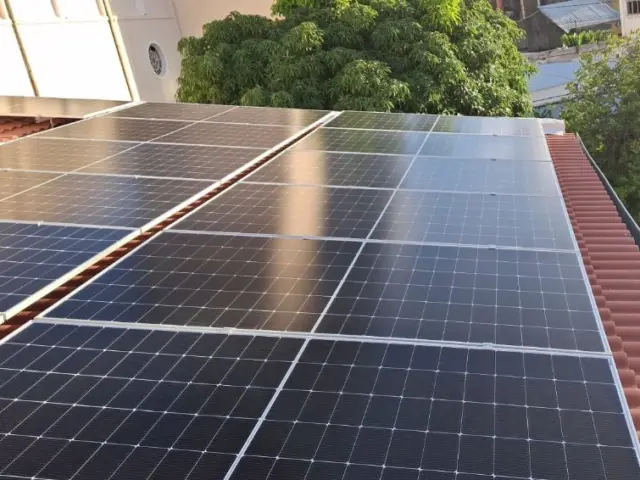
In 2021, Santander facilitated more than R$51 billion in sustainable businesses – which include renewable energy operations, low-carbon agriculture and the issuance of green bonds, for example. In fact, according to research carried out by Greener, a consultancy specializing in the photovoltaic sector, the bank appears in second place among the most cited for financing photovoltaic solar projects.
Read more
- Santander opens R$560 million financing line for renewable sources
- Solar financing accounts for 57% of sales in 2021
In first place is BV (43%), followed by Santander (36%), Sicredi (24%), Solfácil (23%), Banco do Brasil (22%), Sicoob (20%), Bradesco (10%), BNB (7%) and other institutions (14%). “Cases of cash payments have decreased over the years, giving way to bank financing,” Greener pointed out.

Comments
Comments are moderated before publication.Comments should be respectful and contribute to a healthy debate. Offensive comments may be removed. The opinions expressed here are those of the authors and do not necessarily reflect the views of the author. Canal Solar.