
Large hydroelectric plants, which have guided market design and expansion directions for decades, are now coexisting with a range of new sources. Hydroelectric plants remain the main source of generation, but their role in the system is changing.
This is what we see reflected in the PDE 2030 (Decennial Energy Expansion Plan 2030). These changes occur due to the exhaustion of the potential for large hydroelectric plants. Few new projects exceed 500 MW. Meanwhile, solar, wind and natural gas sources take the lead in expanding installed capacity.
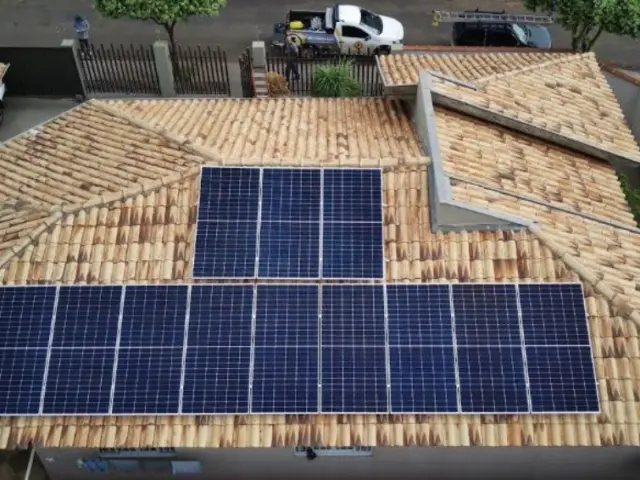
In 2020, solar distributed generation added 2,5 GW of capacity to the system, the largest among all other sources. Fossil sources, in second place, added 1,9 GW, followed by wind, which added 1,7 GW. Even in the midst of the pandemic, GD grew no less than 60% compared to 2019.
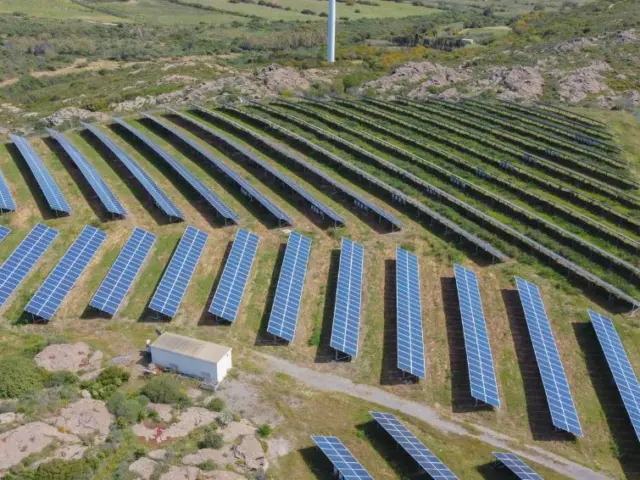
In PDE 2030, future demand for electrical energy will be met, to a large extent, with the addition of new renewable sources. Solar energy, in total, could reach 33 GW in 2030. DG should reach between 16,8 GW and 24,5 GW, in installed capacity, depending on the climate of the regulatory scenario (summer or spring scenario).
Analyzing the PDE 2030, the compound annual growth rate (CAGR) in ten years is 19,3% per year for DG, 10,5% per year for centralized solar and 7,3% per year for wind. As a result, the total share of new renewables in the electricity matrix could exceed 25% in 2030.
A recurring concern in electrical planning in Brazil is hydrological risk. In this sense, solar energy plays an important role, alongside wind energy, in recovering water levels in reservoirs.
The PNE 2050 (National Energy Plan 2050) includes simulations that indicate “that, with the greater entry of variable renewables into the matrix, the seasonal storage profile of the SIN reservoirs flattens, in relation to what is currently observed”.
For their part, hydroelectric plants meet the system's flexibility requirement, while new renewables contribute to meeting demand in dry periods, preserving reservoir levels.
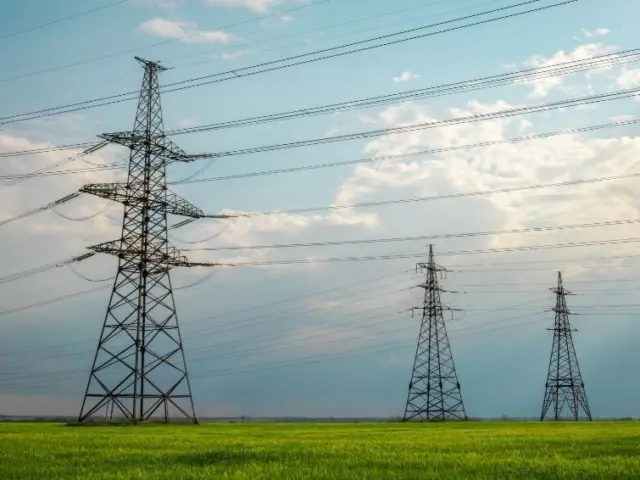
Important challenges arise for the transmission system, in this trajectory of changes that includes diversification of sources, alongside the growth of the free market. Especially, when timelines for capacity expansion are shrinking, while timelines for transmission projects remain long.
Read more: Megatrends for 2030: a good time to look ahead
To achieve sustainable solutions, it is essential that the expansion and modernization of the transmission and distribution system occurs on an increasingly participatory and transparent basis, in order to accommodate the different needs of generation sources.
The growth in demand for electricity will come with the resumption of economic growth, with the reduction of unemployment, with the increase in income and access to consumer goods. It will also come from the transformations of the global economy due to the fight against climate change. The reduction of carbon emissions depends on the electrification of transport.
This movement is just beginning in Brazil, reaching specific markets first, such as captive fleets and urban transport in large cities, but promises to extend to the consumer market in the coming decades, as is already happening in Asia, Europe and In the USA.
The scenario for the coming decades points to the intelligent composition of different generation sources, exploring the best of each one. Thus, the development of the electricity sector must take advantage of our vocation for clean energy, in a context of transparency, economic freedom and sustainability. In Brazil, and in the world, the leading role of clean and renewable energy, especially solar energy, represents a future that has already begun.

Comments (3)
Comments are moderated before publication.Comments should be respectful and contribute to a healthy debate. Offensive comments may be removed. The opinions expressed here are those of the authors and do not necessarily reflect the views of the author. Canal Solar.
Dear Gustavo,
Brazil could be much more advanced in terms of clean energy sources, if we didn't have a “cancer” of corruption created at high levels.
It is necessary to use all legal means to break this evil and make Brazil assume the position that is ours, first place, after all, we have a lot of sun, a lot of wind at our disposal!! Big hug and thanks for the text.
Perfect analysis. The government needs to understand this as soon as possible so that the incentive is greater, right?
The way for Brazil to grow in the photovoltaic sector is through serious and ethical companies that contribute to society by generating jobs and the country's economy. Congratulations on the work Tegon!