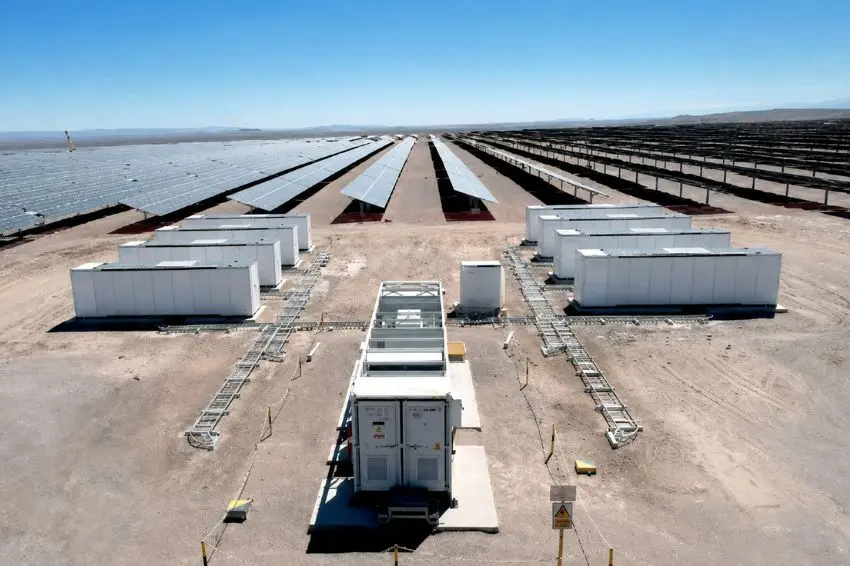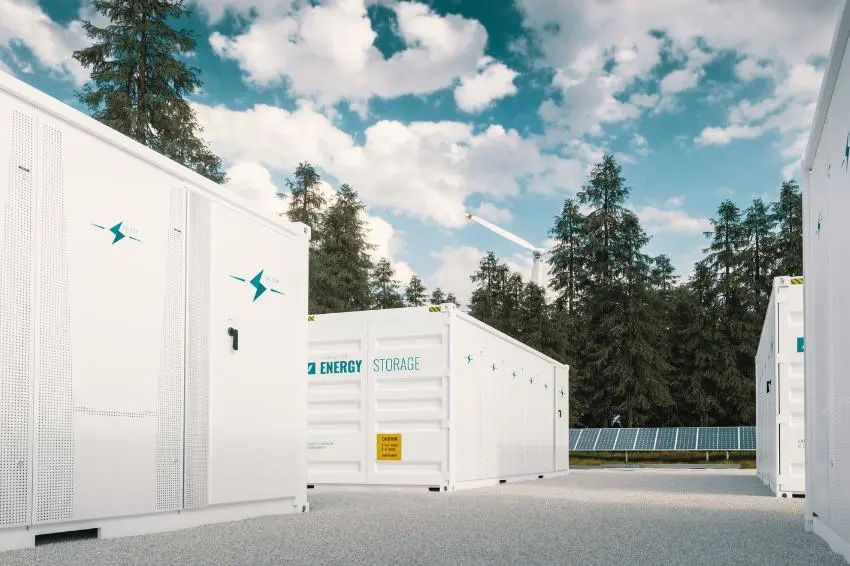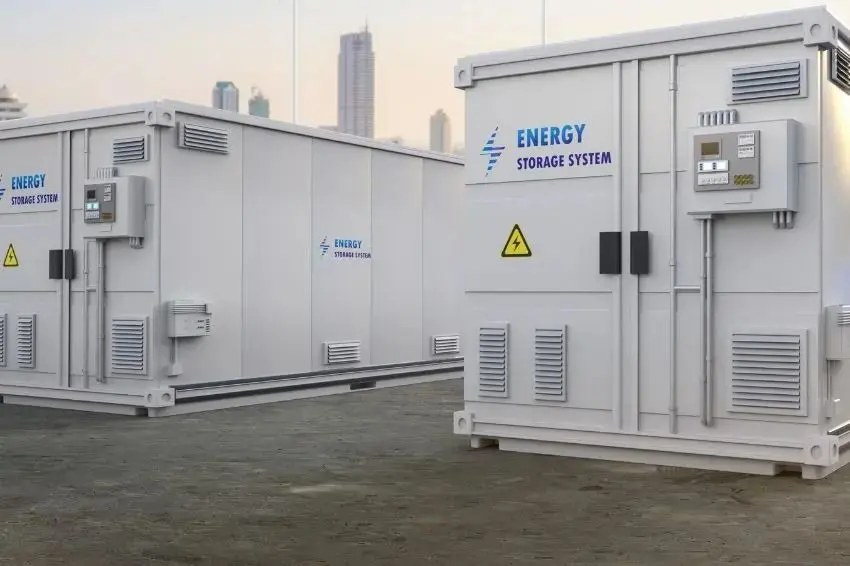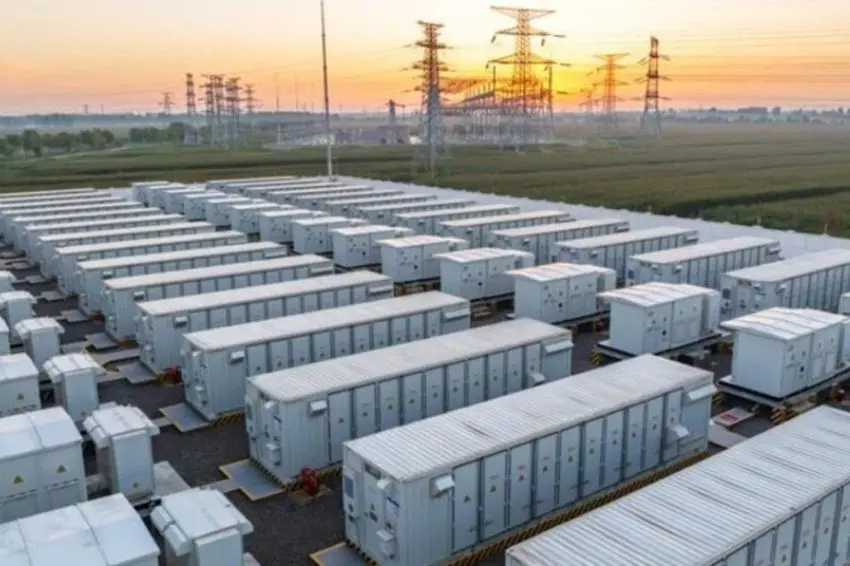

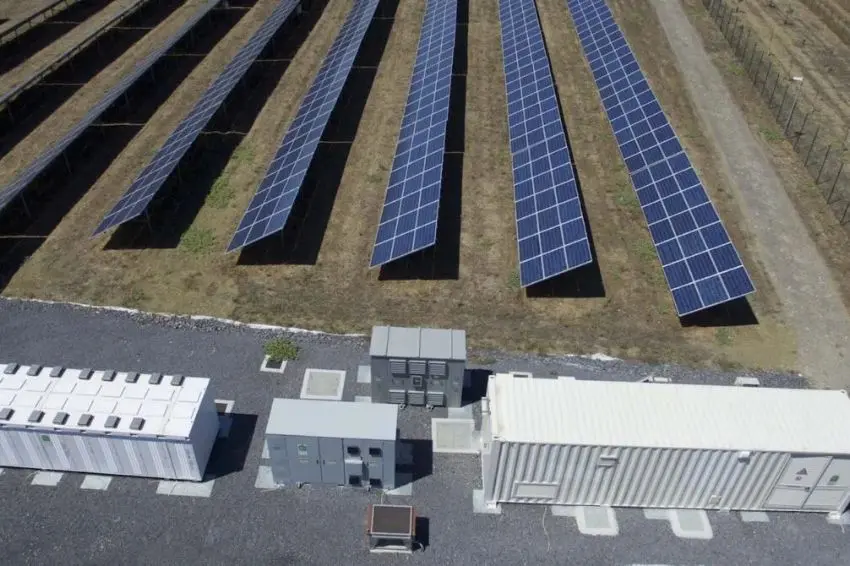
The costs of solar energy associated with battery storage systems have fallen from over US$100,00 per MWh in 2020 to a range between US$54,00 and US$82,00 per MWh in 2025 in the regions with the highest solar irradiance in the world.
The reduction of up to 46% is part of a new report from IRENA (International Renewable Energy Agency), which also points to a continuation of the downward trend over the next decade.
Projections indicate a decline of approximately 30% by 2030 and approximately 40% by 2035, allowing the most competitive systems to reach values below US$ 50,00 per MWh.
According to IRENA, when compared to fossil fuels, renewable sources associated with storage are already able to provide electricity continuously and at lower costs than new power plants in several regions of the world.
According to the report, new coal-fired power plants have costs between US$70,00 and US$85,00 per MWh, while new gas-fired power plants exceed US$100,00 per MWh in several markets.
“The old argument that renewable energies lack reliability no longer holds true. Today, renewable energies already provide reliable energy, 24 hours a day,” said Francesco La Camera, Director-General of IRENA.
The executive points out that the situation becomes even more favorable for renewables when considering that oil and gas markets remain exposed to geopolitical shocks, such as the recent conflicts in the Middle East.
“The economics of the entire energy system has changed: the battery revolution has reduced costs and accelerated advances in energy storage. The advantage of renewable energies is not only economic, but also strategic, strengthening resilience, stability and energy security in times of crisis,” he stated.
Renewable energy, AI, and data centers
According to IRENA, renewable energy sources combined with energy storage optimize the use of grid connections, shift electricity production to peak value-added times, and reduce exposure to energy price volatility.
The study also points out that hybrid renewable energy generation systems with batteries are well-positioned to meet the needs of increasingly demanding energy consumers, such as operations of IA (artificial intelligence) and data centers, which require a continuous supply of electricity.
"Stable renewable energies also enable the production of clean fuels for sectors that are difficult to decarbonize, where economic viability depends not only on costs, but also on the ability to operate at high utilization rates," the document highlights.
all the content of Canal Solar is protected by copyright law, and partial or total reproduction of this site in any medium is expressly prohibited. If you are interested in collaborating or reusing part of our material, please contact us by email: redacao@canalsolar.com.br.