
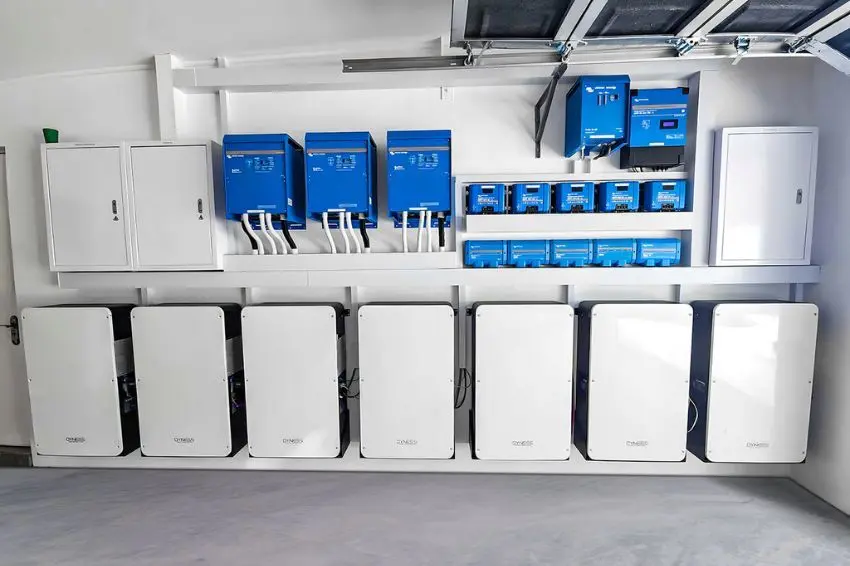
Many still believe that the design of a photovoltaic system ends at the moment of installation. This view, while understandable, no longer corresponds to reality. Technology has evolved, the market has changed, and today the real differentiator lies in how we harness and control the energy we already produce. Those who look at energy strategically find opportunities that go far beyond saving on the electricity bill.
Brazil is experiencing a historic embarrassment. We are an intercontinental country, with vast amounts of sun, wind, biomass, and water, but we haven't planned our infrastructure to receive these resources in a modern and efficient way.
The electricity distribution network continues to operate with concepts from the last century, incapable of fully absorbing new technologies. It is a national disgrace that, amidst so much renewable potential, we still do not have a network prepared for the future.
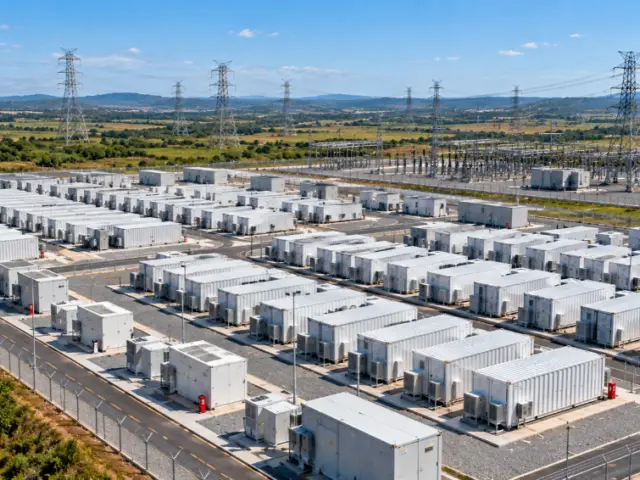
In this context, energy storage emerges as a key element. It's not just a complementary technology, but a game-changer. Batteries allow solar energy to be used continuously, even when the sun isn't shining.
They offer security, stability, and autonomy. More than that, they represent the possibility of mitigating energy crises, such as the hydroelectric crisis that has already brought us risks of collapse.
Industry professionals are well aware that the market has changed. While previously the sale of solar panels was accompanied by a simple "payback" calculation—the time it took for the investment to recoup its costs through the savings generated—the reasoning now needs to be different.
Storage shouldn't be analyzed solely from that perspective. The value of a battery isn't just about how long it takes to pay for itself, but about the problems it solves. It's the consumer who decides whether a product is expensive or cheap, evaluating their need for reliability, independence, and protection against power fluctuations.
Entrepreneurs and engineers who created solar energy companies are now in a race to evolve their knowledge and offer complete solutions. The market demands more than just panels and inverters: it requires intelligence, integration, and strategic vision.
Energy storage is the new frontier, and those who don't prepare will be left behind. Regulators need to understand this and start demanding a more modern electricity distribution grid capable of supporting the decentralization and digitalization of energy.
Society also needs to understand that we are facing a unique opportunity. Distributed generation has already shown its benefits: it has democratized access to clean energy, reduced electricity bills, and created thousands of jobs.
Now, with energy storage, we can take the next step. Imagine entire communities with energy autonomy, businesses protected against blackouts, and families secure in the face of water crises. This is the future within our reach, but it depends on investment, regulation, and a long-term vision.
We can no longer accept that Brazil, with all its abundance of natural resources, remains hostage to an outdated infrastructure. It is time to demand a modern electricity grid capable of integrating distributed generation, storage, and new digital technologies.
It's time to recognize that storage is not a luxury, but a necessity. And it's time to value the professionals who are bringing these solutions to society, facing technical and regulatory challenges to build a more sustainable country.
The decentralized energy movement is one of the greatest revolutions of our time. It puts power in the hands of people, businesses, and communities. It reduces dependence on large generators and distributors. It builds resilience in the face of crises. And it opens up space for Brazil to finally fully harness its renewable potential.
The bottom line is simple: the future of solar energy in Brazil lies not only in the panels that capture the sun, but in the batteries that store its energy. Storage is the inevitable next step, and the sooner we understand this, the faster we will build a country prepared for the energy challenges of the 21st century.
The opinions and information expressed are the sole responsibility of the author and do not necessarily represent the official position of the author. Canal Solar.

Comments
Comments are moderated before publication.Comments should be respectful and contribute to a healthy debate. Offensive comments may be removed. The opinions expressed here are those of the authors and do not necessarily reflect the views of the author. Canal Solar.