
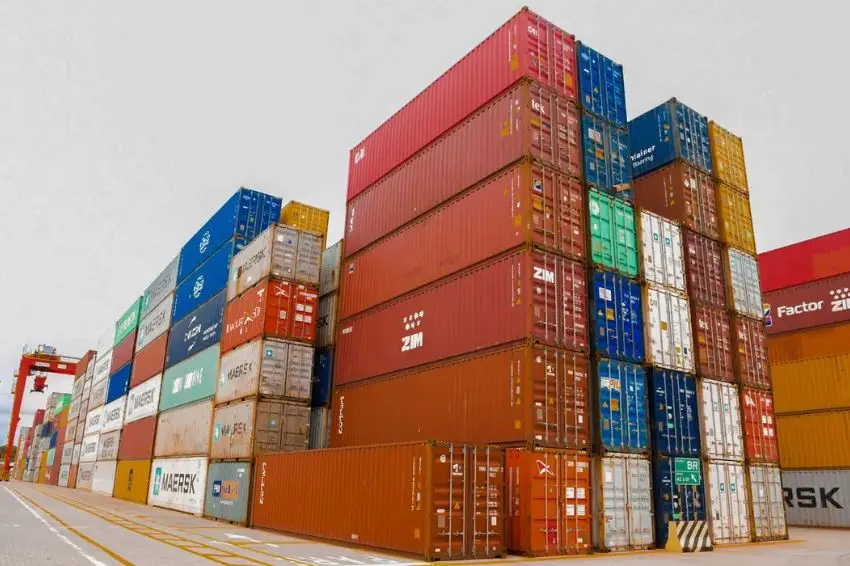
The Brazilian solar energy market is undergoing a shift in import patterns following the strong purchasing activity seen in recent years. High inventory levels, tax changes, fluctuations in international freight costs, and a different sales pace have led companies in the sector to review their acquisition strategies and logistics planning.
At the same time, a new front is beginning to gain importance in the supply chain: the import of battery energy storage systems (BESS), which have different logistical characteristics than those traditionally found in the transport of modules and inverters.
According to Adriane Pessôa, vertical specialist in the solar segment at Grupo Allog, the sector experienced strong acceleration in 2024, followed by a period of adjustment.
In the company's operations, imports of solar modules increased from 13.659 TEUs in 2023 to 14.900 TEUs in 2024. In 2025, the volume reached 15.720 TEUs.
“In 2024, there was a kind of market rush to take advantage of the use of tax incentive quotas, followed by an inventory crisis, when readjustment was necessary,” explains Adriane.
The movement occurred amidst changes in tax conditions for the import of photovoltaic modules. The anticipation of purchases contributed to the formation of inventories that subsequently needed to be absorbed by the market.
The change also affected the profile of importers. According to the expert, some smaller companies reduced direct purchases from China and started acquiring equipment from large Brazilian distributors, increasing the concentration of import operations in larger companies.
The global market continues to expand.
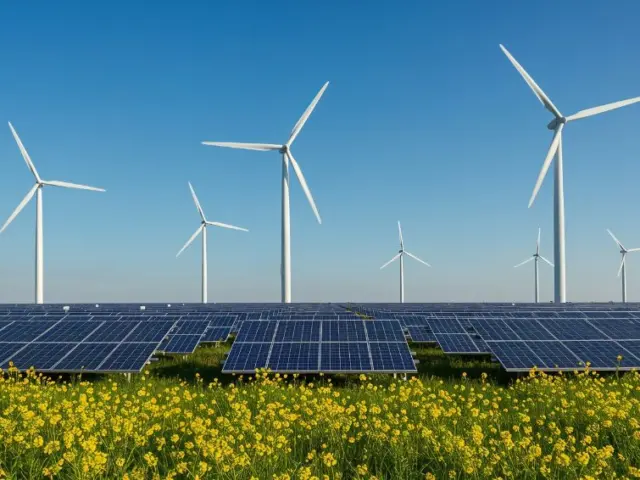
The Brazilian realignment is happening while solar energy continues to advance globally. According to SolarPower Europe's Global Solar Market Outlook 2026-2030, the world has reached the milestone of 3 TW of installed solar capacity.
By 2025, this source will account for 77% of all new renewable capacity added globally. Photovoltaic generation reached 2.778 TWh during this period, a volume equivalent to approximately 9% of global electricity demand.
Global expansion, however, is occurring in a market that is also undergoing transformations in the composition of the equipment and solutions demanded. Storage and electrification systems are beginning to converge with the supply chain traditionally concentrated on modules and inverters.
Shipping costs gain importance in a scenario of cheaper equipment.
The reduction in module prices has added another component to import planning. With cheaper equipment, transportation costs become a more significant portion of the operation. Fluctuations in maritime freight rates can therefore alter the decision on when and how much to import.
"The cost of solar panels is very low today. Therefore, any additional cost within the logistics chain ends up having a significant impact on the customer's bottom line," he says.
During periods of higher freight rates, companies that handle large volumes may postpone some shipments and prioritize cargo considered urgent.
Variations in maritime transport, however, do not depend solely on demand. Strategies adopted by shipowners, ship availability, route changes, and geopolitical events can also reduce available capacity and lead to cost increases.
In this environment, import planning no longer depends solely on annual demand projections. Equipment availability, supplier lead times, transportation conditions, and freight rates need to be monitored continuously.
Batteries create new logistical demand.
While modules and inverters still represent the largest share of imports in the photovoltaic sector, the advancement of storage systems is beginning to create a new front for the supply chain.
"The future of solar is directly linked to the increased use of batteries and storage systems," he assesses.
The expectation is that the reduction in technology costs and the increased qualification of professionals involved in storage projects will contribute to expanding the presence of this equipment in the Brazilian market.
The change has implications that go beyond engineering projects. Lithium batteries are classified as dangerous goods for transportation purposes and are subject to specific procedures during logistics operations.
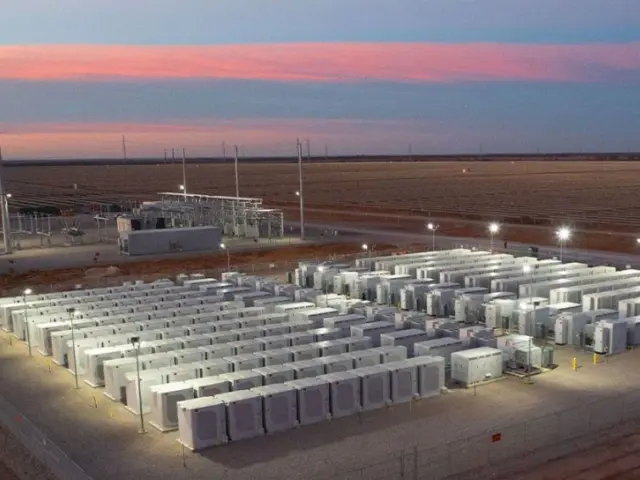
Complexity increases in larger projects. BESS systems intended for commercial, industrial, and large-scale applications can arrive in the country structured in containers and weigh tens of tons.
Therefore, transportation now requires specific planning according to the characteristics of the equipment, the port of entry, and the installation site.
The expansion of storage also tends to require adaptation from the different participants in the chain. While integrators need to develop knowledge to design, install, and operate these systems, distributors and logistics operators need to prepare to move equipment with characteristics distinct from those found in photovoltaic modules.
Electrification brings two markets closer together.
Another trend being monitored by the sector is the expansion of electric vehicles and charging infrastructure. The installation of chargers and charging stations, especially when combined with photovoltaic generation and storage, creates an intersection between the solar energy and electric mobility markets.
For companies already operating in the photovoltaic supply chain, this partnership could represent an opportunity to diversify their business.
The expansion of charging infrastructure may increase the demand for equipment and solutions capable of integrating solar generation, storage, and vehicle charging, also creating new import and logistics needs.
China remains the main source of equipment.
Despite progress in discussions about nationalizing the photovoltaic supply chain, China remains the main source of solar equipment imported by Brazil, especially modules.
According to Adriane, the national production capacity is still not sufficient to fully meet Brazilian demand. Even in products assembled in the country, important components of the supply chain, such as photovoltaic cells, continue to be sourced from abroad.
The situation is different in some segments. Structures used in the installation of modules, for example, are gaining market share from Brazilian industry, reducing the need to import these components.
Regionally, the demand for equipment is distributed throughout the country, although the Southeast maintains a significant share, mainly in São Paulo. The Northeast also concentrates large solar projects and hybrid ventures that combine different sources of generation.
In the operations of the Allog Group, Santos appears as the main entry point for equipment, followed by the ports of Paranaguá and Itapoá. In the Northeast, terminals such as Suape and Salvador also participate in the operations.
Logistics keeps pace with the transformation of the solar sector.
The observed change in imports shows that the evolution of the Brazilian market does not depend solely on the quantity of modules entering the country.
After a period marked by the accelerated expansion of purchases and the formation of inventories, the supply chain is now dealing with an environment in which planning, logistics costs, and flexibility are gaining greater importance.
At the same time, batteries, charging infrastructure, and new applications related to electrification are beginning to change the profile of the equipment handled by the sector.
For logistics operators, transformation means simultaneously dealing with regulatory changes, freight fluctuations, new cargo characteristics, and different demand patterns.
"The challenge is to assemble this logistical puzzle according to each client's needs," Adriane summarizes.
all the content of Canal Solar is protected by copyright law, and partial or total reproduction of this site in any medium is expressly prohibited. If you are interested in collaborating or reusing part of our material, please contact us by email: redacao@canalsolar.com.br.


Comments
Comments are moderated before publication.Comments should be respectful and contribute to a healthy debate. Offensive comments may be removed. The opinions expressed here are those of the authors and do not necessarily reflect the views of the author. Canal Solar.