

High temperatures combine with record electricity consumption. It was like this in recent heat waves and it will be no different at the beginning of the year. But the summer of 2023/2024 will have something new: it will be the “greenest” in the history of Brazil, with 91% of the demand for energy being supplied by hydroelectric plants, solar and wind plants, according to calculations by independent consultancies.
It is true that much of this result will come from hydroelectric plants and their full reservoirs. But an increasingly relevant contribution comes from energy generated by the sun and wind power.
After the sweltering heat of the last few weeks, the ONS (National Electric System Operator) highlighted that, amid successive records in electricity consumption, what helped the system most to hold on – after hydroelectric plants, of course – was solar energy.
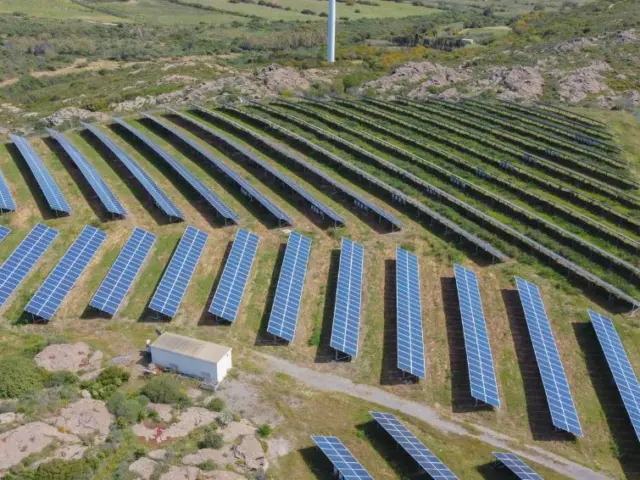
On November 11th, for example, the solar source generated a peak of 27.435 MW, equivalent to almost a third (32,5%) of demand at the time, at 11:45 am. More than helping to guarantee energy security, the growth of more sustainable sources in our matrix reduces our dependence on thermoelectric plants – remember them?
If you don't know, thermoelectric plants burn fuel or gas and are therefore a dirty energy source. They played a very important role in the early 2000s to guarantee the population's electricity supply, when Brazil was experiencing an unprecedented drought and the blackout crisis.
The counterpart to activating thermoelectric plants is that your electricity bill becomes more expensive immediately, with the increase in so-called tariff flags. But have you ever noticed that it hasn't happened in a while? Part of it is because hydroelectric plants are coping and now rely on reinforcement from solar and wind energy.
All of this is to say that, for those who thought Brazil was already “too” sustainable, we managed to go further and are already in the top 10 of the world's largest producers of solar energy. The next step is to advance the democratization of clean energy.
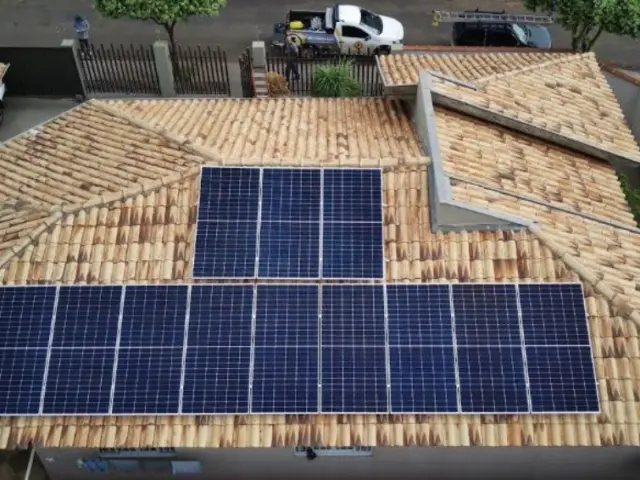
Today, one in every five Brazilian municipalities (1.187) already has available what is conventionally called subscription energy or shared generation, in technical jargon. It is a model that connects consumers to small solar plants, eliminating the need to purchase or install solar panels.
What is the advantage of this? It saves you money every month on your electricity bill, something in the range of 10% to 20%. Just lemon energy, one of the oldest startups in this segment, small businesses associated with our service have already saved R$11 million in monthly energy costs.
To top it off, every consumer who uses an energy subscription service is contributing to injecting more clean energy into the electrical system. And more clean energy means less energy from thermoelectric plants, more predictable prices and “savings” on water from reservoirs – see how everything is related?


Comments
Comments are moderated before publication.Comments should be respectful and contribute to a healthy debate. Offensive comments may be removed. The opinions expressed here are those of the authors and do not necessarily reflect the views of the author. Canal Solar.