
In the last articles of this series, we journeyed from energy storage as the link inaugurating a new era, to the need for smart grids, showing that storage is much more than a battery, revealing the silent revolution of microgrids, discussing who will control the energy of the future, and highlighting that Brazil can lead this new economy. Now is the time to conclude this narrative with a clear vision: the time has come to build the energy of the future.
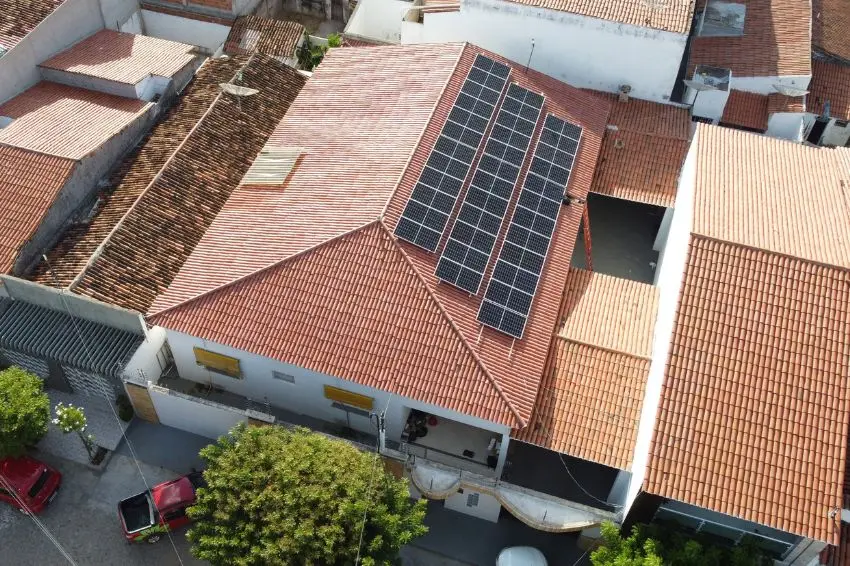
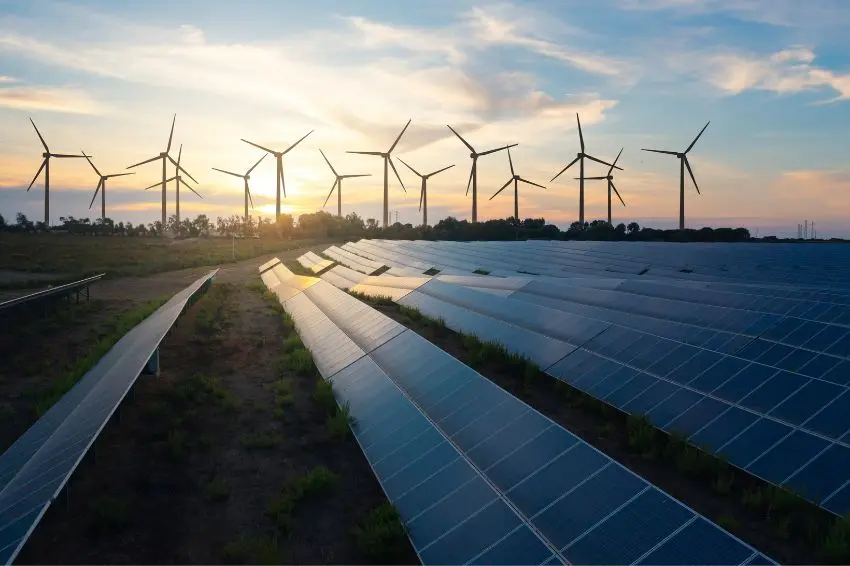
The 20th century was marked by the construction of large hydroelectric dams, symbols of an era in which centralization was the dominant logic. The 21st century will be marked by the multiplication of millions of small power plants, connected by smart grids, capable of integrating distributed resources, storage, electric vehicles, hydrogen, biomethane, and artificial intelligence. This transformation is not just technological. It is civilizational. Energy ceases to be merely a commodity and becomes a platform for economic and social development.
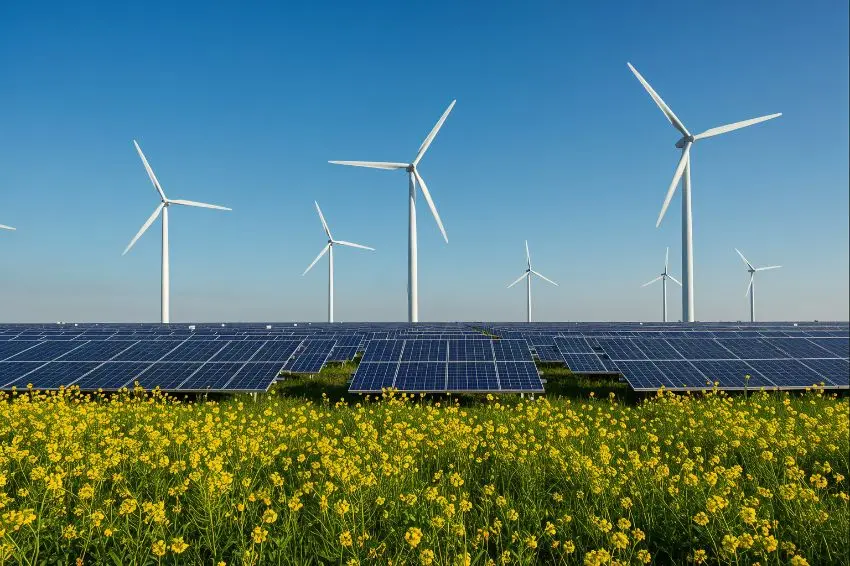
Brazil already has solar, wind, biomass, and one of the cleanest energy matrices in the world. The challenge now is not to produce more energy, but to build the intelligence so that all this energy circulates freely, efficiently, and at low cost. This means democratizing access, reducing systemic costs, increasing resilience in case of blackouts, strengthening energy security, and creating industrial opportunities. It means transforming each consumer into a protagonist of the new energy economy.
This vision requires political and institutional courage. The biggest bottleneck in Brazil's energy transition is not technological, it's regulatory. We need rules that allow storage systems to participate in markets, the operation of distributed resource aggregators, and the creation of virtual power plants.
We need to transform distribution into a digital platform capable of integrating millions of assets. Without this, we risk losing the opportunity to lead. With this, we can usher in a new era of prosperity.
The energy of the future will be intelligent, distributed, storable, digital, and democratic. It will power electric vehicles, data centers, smart cities, Industry 4.0, and connected agribusiness. It will be the economic infrastructure of the coming decades, as important as railroads were in the 19th century, highways in the 20th century, and the internet in the 21st century. Brazil has everything it needs to be a protagonist in this story, but it needs to act now.
The time has come to build the energy of the future. Not as a distant project, but as a reality that is already beginning to take shape. The 20th century built the great hydroelectric dams. The 21st century will build millions of small power plants connected by smart grids.
The true modernization of the Brazilian electricity sector will not be measured solely in installed gigawatts, but in the capacity to transform each citizen into a protagonist of the new energy economy. This is the manifesto I leave as a conclusion to this series: the energy of the future has already begun, and it is up to us to decide whether we will be spectators or builders of this transformation.
Read the previous articles.
The energy of the future: Brazil can lead the new energy economy.
The energy of the future: who will control it?
The energy of the future: the silent revolution of microgrids.
The energy of the future: storing energy is much more than just a battery.
Energy of the Future: passive grids do not support the future.
Special series: storing energy is ushering in the future.
The opinions and information expressed are the sole responsibility of the author and do not necessarily represent the official position of the author. Canal Solar.