
In previous articles, I showed that energy storage ushers in a new era, that our grids need to stop being passive, that storage is much more than a battery, and that microgrids are already quietly transforming the electricity sector.
We also discussed who will control the energy of the future, with digitalization and artificial intelligence taking center stage. Now is the time to look at Brazil and recognize that we have unique conditions to lead this new energy economy.
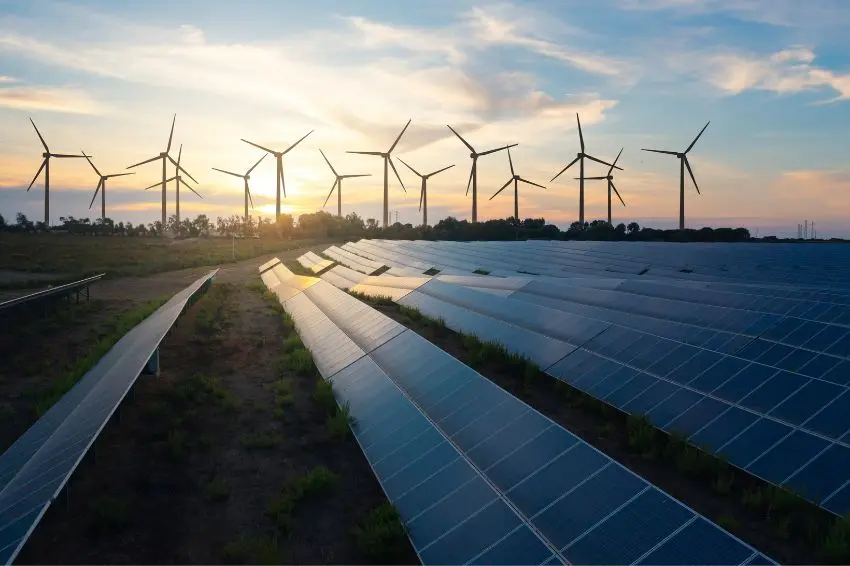
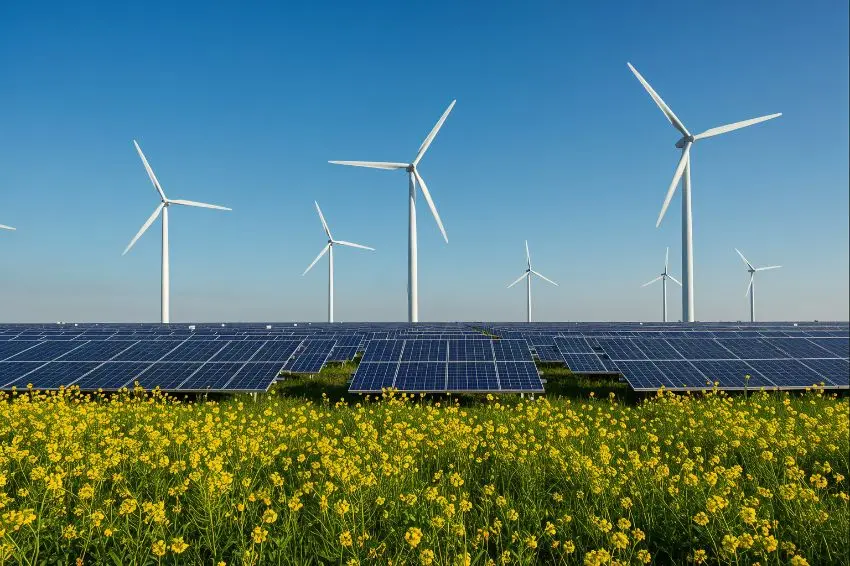
Brazil has one of the cleanest electricity grids in the world, with a strong presence of hydroelectric, solar, and wind power. We have abundant sunshine, constant winds, and large-scale biomass. But what puts us in a privileged position is not just renewable generation.
It is the possibility of integrating this energy matrix with a smart infrastructure capable of storing, sharing, and using energy efficiently. This combination can transform the country into a global leader in the energy transition.
The industrial opportunities are immense. Lithium, niobium, and graphene are already emerging as strategic raw materials. Brazil possesses reserves and research capacity that can be leveraged to develop energy storage and power electronics technologies.
Furthermore, we have the potential to advance in software, artificial intelligence, and energy management systems. It's not just about importing batteries, but about participating in the global value chain, creating jobs, attracting investment, and strengthening our industry.
The financial market has already noticed this trend. Recent reports indicate that sodium batteries could usher in a "new era of oil," with billions of dollars in investments projected until 2035. Brazil can position itself in this scenario, leveraging its renewable energy matrix and energy-intensive industry to develop manufacturing, systems integration, and digital solutions.
It is an extraordinary opportunity to transform natural resources into technological and economic development.
But it's not just a matter of raw materials. Brazil can also lead in sectors such as electric vehicles, green hydrogen, biomethane, and data centers. Each of these segments depends on a modern and intelligent electrical infrastructure.
By investing in digital grids, storage, and microgrids, the country creates the conditions for these industries to flourish. It's a virtuous cycle: clean and cheap energy attracts investment, generates jobs, and strengthens national competitiveness.
This leadership, however, requires strategic vision. The biggest bottleneck in Brazil's energy transition is not technological, it's institutional. We need regulations that allow storage systems to participate in markets, the operation of distributed resource aggregators, and the creation of virtual power plants.
We need to transform distribution into a digital platform capable of integrating millions of assets. Without this, we risk losing the opportunity to lead.
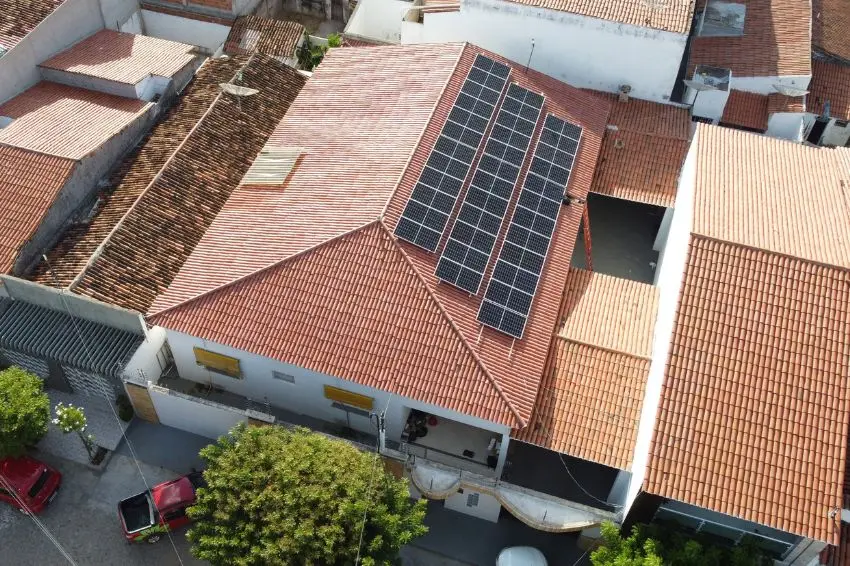
Brazil has already shown that it is capable of great leaps forward. In the 20th century, we built hydroelectric plants that became a global benchmark. In the 21st century, we can build millions of small power plants connected by smart grids.
This vision is not just environmental, it's economic. Countries that understand this transformation will be better prepared to compete in the coming decades. And Brazil has everything it needs to be among them.
We are facing a historic choice. We can remain trapped in a centralized and limited model, or we can take the lead in the new energy economy. This decision will define our role in the world and our future as a nation.
In the next article, we will show that the time has come to build the energy of the future, concluding this series with a vision for the country and a manifesto for the modernization of the Brazilian electricity sector.
Read the previous articles.
Energy of the future: who will control it?
The energy of the future: the silent revolution of microgrids.
Energy of the future: storing energy is much more than just a battery.
Energy of the Future: passive grids do not support the future.
Special series: storing energy is ushering in the future.
The opinions and information expressed are the sole responsibility of the author and do not necessarily represent the official position of the author. Canal Solar.