

The Brazilian electricity sector is undergoing an irreversible transition towards decentralization. However, while we are making great strides in installing new Distributed Generation (DG) plants, we are encountering an invisible but structural bottleneck: the regulatory architecture for remuneration of distributors.
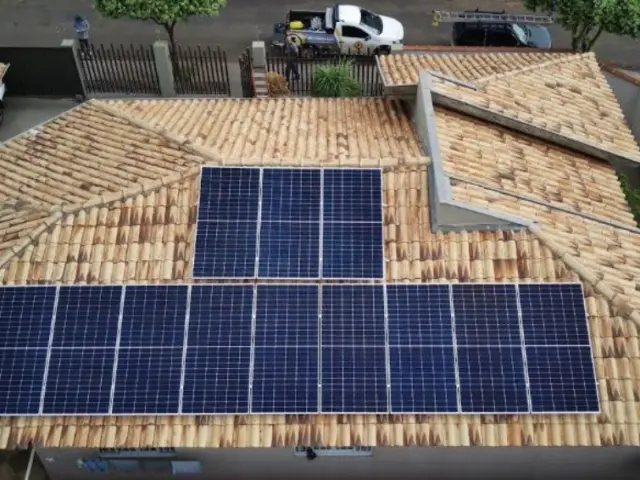
The Brazilian distributed generation (DG) solar market has matured rapidly in recent years. With the consolidation of the legal framework for DG and the increasing penetration of photovoltaic systems in homes, businesses, and industries, the sector has entered a new phase: moving away from the exclusive logic of energy compensation and advancing towards more sophisticated monetization models.
In that context, the VPPs (Virtual Power Plants) and the figure of aggregator They are emerging as key elements in transforming solar energy and storage into more economically dynamic and strategic resources. But what does this mean, in practice, for integrators, investors, and owners of solar systems?
What is a VPP?
A VPP (Virtual Power Plant) is an aggregation structure that coordinates multiple distributed energy resources, such as photovoltaic systems, batteries, and controllable loads, operating them in an integrated way, as if they were a single generation plant.
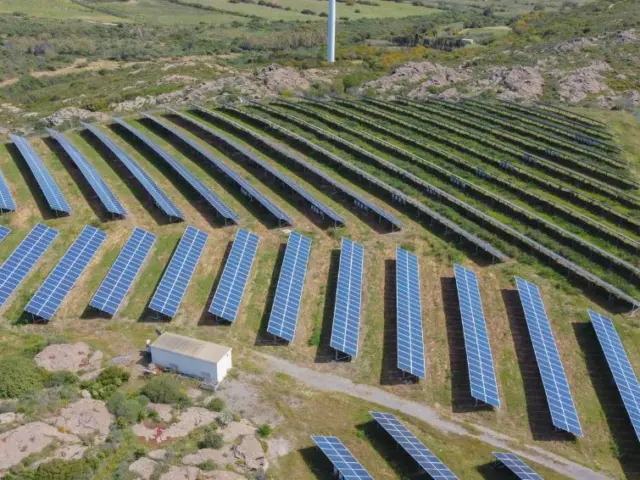
Unlike a centralized power plant, VPP does not concentrate assets in a single physical location. It connects distributed assets through a digital platform that allows:
- Coordinated monitoring;
- Dispatch optimization (especially when there is storage);
- Actions guided by economic or systemic signals.
In the case of solar energy, VPP expands the role of the photovoltaic system: it ceases to be merely a generator offsetting consumption and becomes part of a coordinated network of assets with the potential to provide additional services.
The role of the aggregator: the new link in the solar chain.
For a VPP to function, an agent is needed to organize, coordinate, and represent the participating assets. This agent is the aggregator.
The aggregator:
- It connects various solar systems and batteries;
- It consolidates the capacity of these assets;
- Represent this set to markets or contracting mechanisms;
- Structure the compensation for flexibility.
Important to note: the aggregator does not replace the solar integrator. It operates at a later level, creating additional revenue opportunities for already installed systems or new projects.
For the solar sector, this means that a photovoltaic system with a battery can:
- Participate in demand response programs;
- Offering flexible services;
- To carry out energy arbitrage;
- Integrate coordinated distributed generation portfolios.
In other words, solar assets cease to generate value solely through the energy produced and begin to generate value also through their responsiveness.
Solar + storage: a natural combination for VPPs
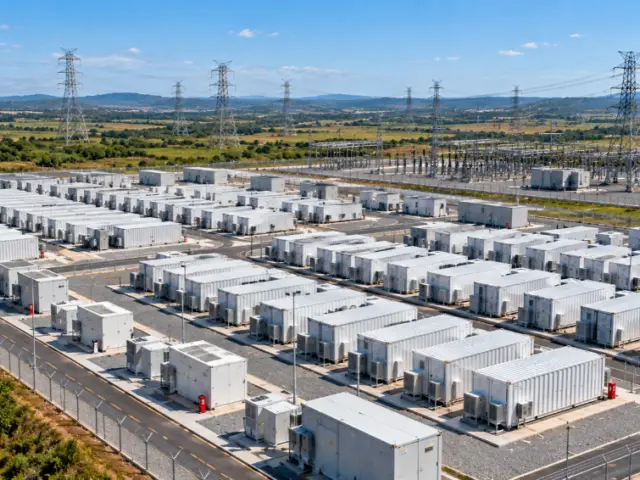
Although stand-alone photovoltaic systems can already integrate VPPs, combining them with storage significantly expands the possibilities.
Batteries enable:
- Energy displacement over time;
- Reduction of demand peaks;
- Controlled power delivery;
- More active participation in flexibility mechanisms.
This combination creates a new value proposition for the solar market: not only generating clean energy, but also offering predictability and coordination capabilities.
For integrators, this represents a strategic opportunity. Projects that already consider connectivity and the ability to integrate with aggregators in the future tend to gain competitiveness as the market evolves.
VPP is not just technology, it's a business model.
One important point: VPPs are not just digital platforms. They represent a new business model. By aggregating hundreds or thousands of solar systems and batteries, the aggregator can structure flexibility offerings that would be unfeasible individually.
This scale allows:
- To mitigate operational risks;
- To make structured contracts viable;
- Create predictability for additional revenue;
- Increasing the economic attractiveness of solar projects with BESS.
Abroad, VPPs already participate in capacity markets, ancillary services, and flexibility programs. In Brazil, the regulatory framework is still evolving, but the trend is clear: digitalization and decentralization will require new coordination mechanisms.
The Brazilian landscape: challenges and opportunities
Brazil has some conditions that are favorable to the advancement of VPPs:
- High penetration of solar distributed generation;
- Growing interest in storage;
- Progressive digitization of the electricity sector;
- The need for greater efficiency in network operation.
On the other hand, there are challenges:
- Regulatory definition of the aggregator figure;
- Structuring markets or mechanisms for flexible contracting;
- Standardization of interoperability and communication;
- Cybersecurity and data governance.
Despite these barriers, the movement is inevitable. The expansion of distributed solar creates an installed base that, when coordinated, can transform into a relevant systemic asset.
What does this mean for the solar market?
For the reader of Canal SolarWhether you're an integrator, developer, or investor, the message is clear:
- The monetization of solar energy is likely to become more sophisticated.
- Storage will take center stage.
- Connectivity and the digitization of systems will be strategic differentiators.
- The aggregator model can open up a new layer of recurring revenue.
Solar projects that consider the possibility of integration with VPPs from the outset will be better positioned in a market that is moving towards remuneration based not only on energy generated, but also on responsiveness.
Conclusion: from generation to coordination
The first phase of distributed solar energy in Brazil was marked by rapid expansion and energy compensation. The next phase is expected to be characterized by coordination and flexibility.
VPPs and aggregators represent the bridge between distributed generation and a more digital, decentralized, and system-value-driven electrical system.
For the solar sector, this is not just a technological trend, it's a structural evolution of the business model.
Those who understand this transition now will be better prepared to seize the opportunities of the next decade.
The opinions and information expressed are the sole responsibility of the author and do not necessarily represent the official position of the author. Canal Solar.

Comments
Comments are moderated before publication.Comments should be respectful and contribute to a healthy debate. Offensive comments may be removed. The opinions expressed here are those of the authors and do not necessarily reflect the views of the author. Canal Solar.