

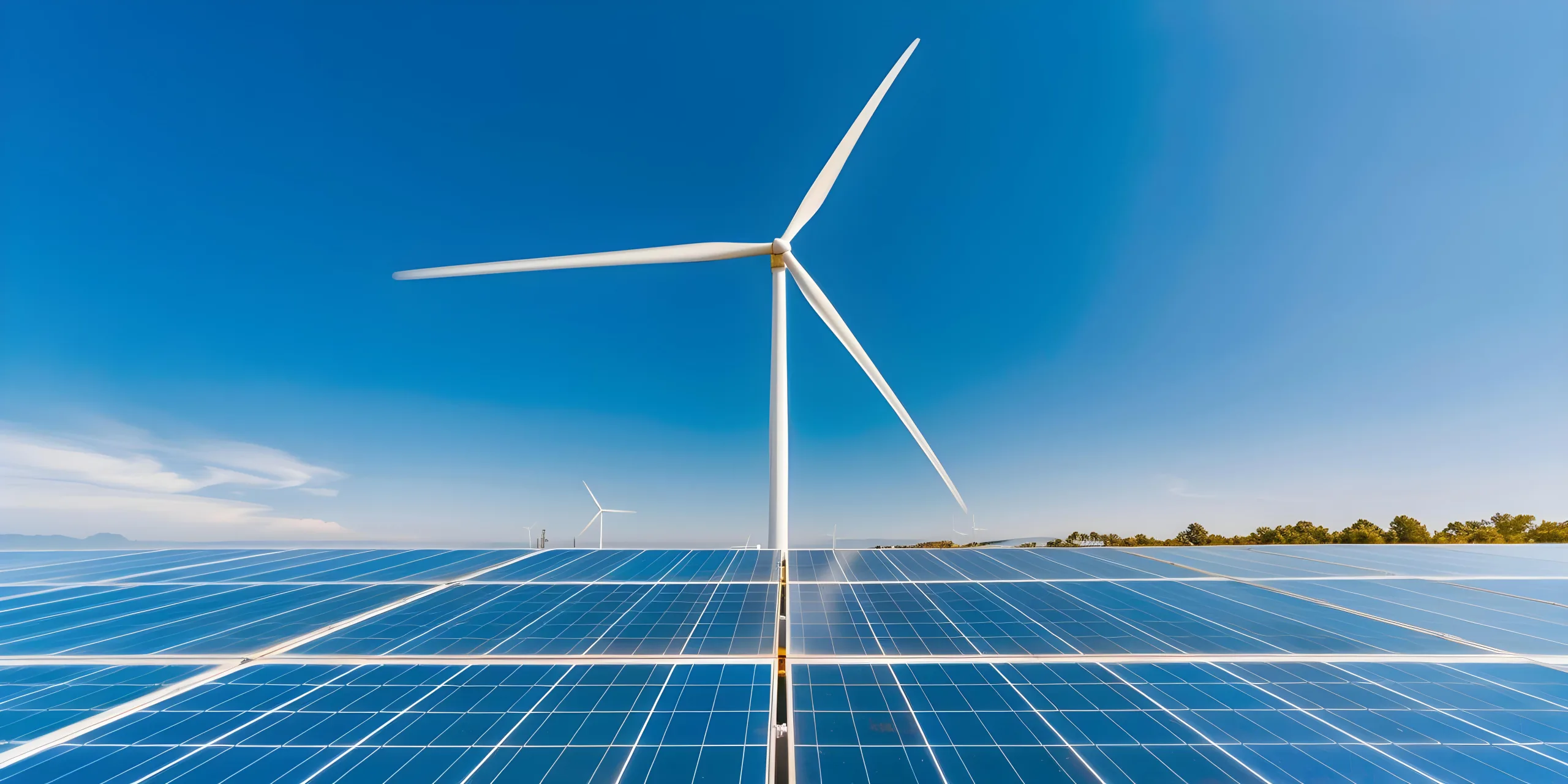
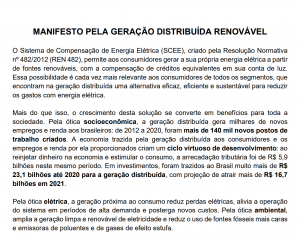
Eleven associations from the GD (distributed generation) sector released a manifesto early Wednesday evening (24) against the proposal from ANEEL (National Electric Energy Agency) to apply a model that provides, in general terms, a higher payment ofopponents of energy than that defended by the entities.
The topic has gained stratospheric proportions in recent weeks across the country, as Experts say that changes to current rules could make the continued growth of distributed generation unfeasible.
In the document issued jointly, the organizations highlight that the sector has grown a lot in recent years and generated benefits for the whole of society, but that despite the advances, the preliminary proposal presented by the agency, last Friday (19), in a meeting with sector associations, it is going against everything that has been done well so far.
“If approved, it would represent a heavy brake on the sector’s growth – with the complete unfeasibility of SCEE modalities and the loss of billions in investments and thousands of jobs in Brazil. This proposal disregarded the main technical arguments presented by the sector throughout the almost three years of debates on the review of resolution 482 and, more recently, throughout months of dialogue between the agency and sectoral associations”, highlights the manifesto.
The text also states that the ANEEL is insisting on a proposal that would devalue the energy produced by the consumer by more than 60%.
“In California, a world reference in the area, after maintaining rules equivalent to those used in Brazil for 20 years in the last 9 years, the amount applied as a charge to prosumers has become just 10,5%, compared to the approximately 62% proposed by ANEEL".
The manifesto continues and highlights that even previously overcome issues, such as maintaining the rules for pioneers of distributed generation for 25 years, would have been disregarded in the preliminary proposal presented.
In this sense, they state that to avoid the risk of legal uncertainty, it is essential that the rules currently in force continue to be applied to projects.
“The preliminary proposal of the ANEEL, if not improved, represents a worrying setback, harming the democratization of access to renewable sources and self-generation, hampering the free entrepreneurial initiative of Brazilian consumers and delaying the attraction of investments, job creation and public revenue”.
Check out the associations that signed the manifesto below:
- ABAQUE (Brazilian Energy Storage and Quality Association)
- ABGD (Brazilian Association of Distributed Generation)
- ABiogás (Brazilian Biogas Association)
- ABRAPCH (Brazilian Association of Small Hydroelectric Plants and Hydroelectric Generating Plants)
- ABREN (Brazilian Association for Energy Recovery from Waste)
- ABS (Bahia Solar Energy Association)
- ABSOLAR (Brazilian Photovoltaic Solar Energy Association)
- AGPCH (Gaúcha Association for the Promotion of Small Hydroelectric Plants)
- INEL (National Institute of Clean and Sustainable Energy)
- CIBiogás (International Center for Renewable Energy)
- SindiEnergia Ceará (Union of Energy and Services Industries of the Electrical Sector of the State of Ceará)
Answers of 3
I was thinking about buying a solar energy generating system for my house, but I'm going to stop here. It's a high investment with no legal security whatsoever, and I'm sure that the distributors will tax our surplus injected into the network at the amount they want. The On-Grid system is destined to become unviable in the short term.
It is the height of absurdity, they are trying to tie the taxpayer's hands and feet, only seeing 100% profit without caring about what was spent on each investment. In my case, it is residential, I paid 21.500,00. If this rate is implemented, I think the least they should do is reimburse each investment.
When it comes to Brazil, we could already expect this, the giants in the electricity sector do not want to give up the trifle they receive every month, the one who loses once again is our Brazil, as it remains just a mere emerging country, now packing in research and developing more efficient Off Grid systems so that we are not dependent on the grid for our clean energy.