

A climate change It is already a fact, even with all the efforts made in decarbonization of human activity.
This change can be termed a climate threat composed of variations in the mean and standard deviation in the historical behavior of climate variables in addition to the increasing frequency and intensity of extreme weather events.
Infrastructures built under a certain historical performance standard end up presenting high risks of interruption services provided when subject to these threats.
There are two basic solutions to face these threats by making systems more resilient: create resistances or adapt them.
Typically, investments to make structures more resistant tend to be too high, representing costs that society does not want to pay.
Adaptation measures tend to be the most used and, if well conducted, significantly minimize the effects of these threats.
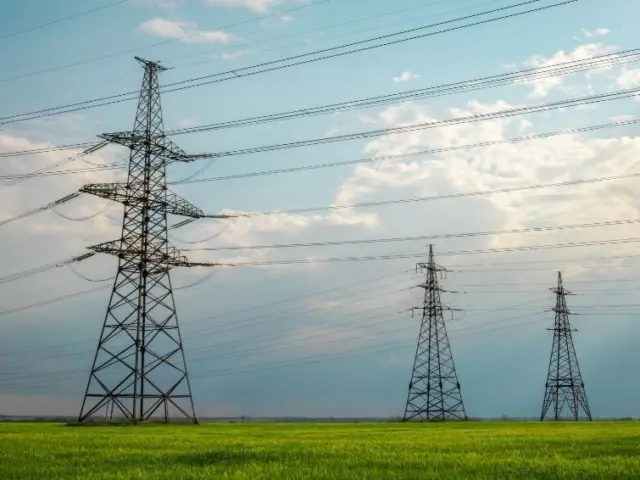
Applying these concepts to electrical distribution networks, an example of resistance is bury the whole network avoiding the action of wind and abundant rain as well as create parallels in supply to increase reliability in an essentially radial system.
However, both solutions come with high costs that are reflected in tariffs that consumers do not want to pay. Adaptation measures are then suggested, that is, the development of preparation actions for future events.
A very interesting action, but one that conflicts with understanding between the city hall, distributor and the environment department, is the pruning of trees or even the removal of trees close to electrical networks that are already compromised by disease or at the end of their life.
I'm not saying to remove green from cities, but to reintroduce it by choosing types of trees that are more suitable for cities. Normally it seems simple, but there is a bureaucratic obstacle that makes this action difficult.
This would solve many of the problems experienced in this last event in São Paulo. This action would also minimize the FEC index, which is very expensive for distributors.
Another adaptation action that must be carried out in parallel with the others is the logistics of the network repair and restoration teams. In this case, it is necessary to prepare teams both in training and in post-event performance.
Distributors already have specific programs for these contingencies but do not have sufficient capacity for large-scale cases such as what occurred in São Paulo.
Although each dealership's procedures are different, it would be interesting to share capabilities between nearby dealerships. This action minimizes the DEC index, which is also very expensive for distributors.
All of this also depends on prior knowledge of when, where and at what intensity the climatic event will occur. Good forecasting and projection models are needed for the short and medium term. It is important to know the size and characteristics of the threat we will face.
Blackout in São Paulo: do consumers have the right to compensation?
Finally, we know that the electrical network, like any infrastructure, is subject to these anomalies. Distributed energy systems are less vulnerable as they minimize the use of these networks.
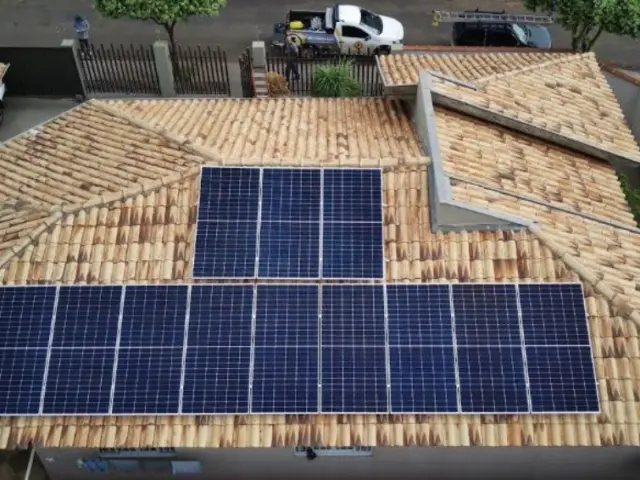
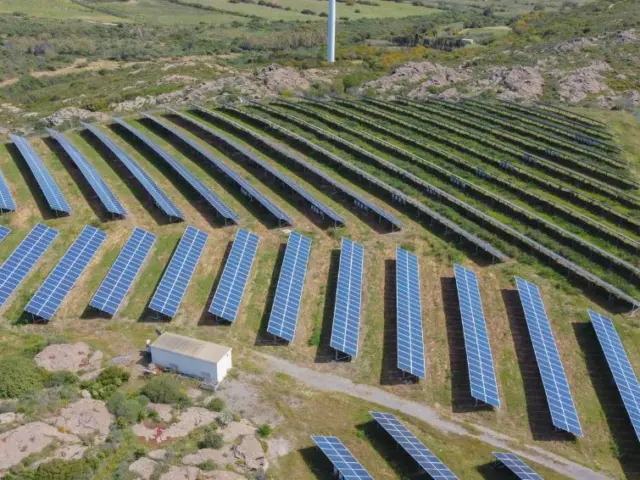
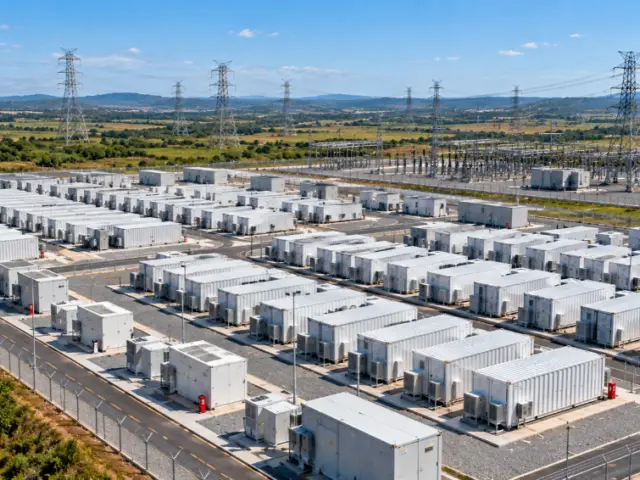
Distributed generation (understood here as a physical entity and not energy compensation), distributed storage, tend to minimize these effects for the consumer by increasing supply reliability.
The opinions and information expressed are the sole responsibility of the author and do not necessarily represent the official position of the author. Canal Solar.
Comments
Comments are moderated before publication.Comments should be respectful and contribute to a healthy debate. Offensive comments may be removed. The opinions expressed here are those of the authors and do not necessarily reflect the views of the author. Canal Solar.