

As is known, there has been a real race against time on the part of distributed mini-generation investors to build and connect plants to the distribution grid.
This is because, as provided for in the Normative Resolution 1.059/2023 of the ANEEL (National Electric Energy Agency), to benefit from full compensation of the TUSD (Distribution System Usage Tariff) and the TE (Energy Tariff), the well-known GD I, consumer-generators, with OC (Connection Budget) requested between January 8, 2022 and January 7, 2023 must start injecting energy into the grid within 12 months from the issuance of the OC.
The only exception to the rule is if the Connection Budget indicates connection after this deadline, or up to the limit of the delay on the part of the distributor in carrying out network work under its responsibility that makes it impossible to connect the plant.
Cautious investors build plants within the regulatory deadline in order to avoid the full compensation rule being undermined, significantly affecting the return on their long-term investments.
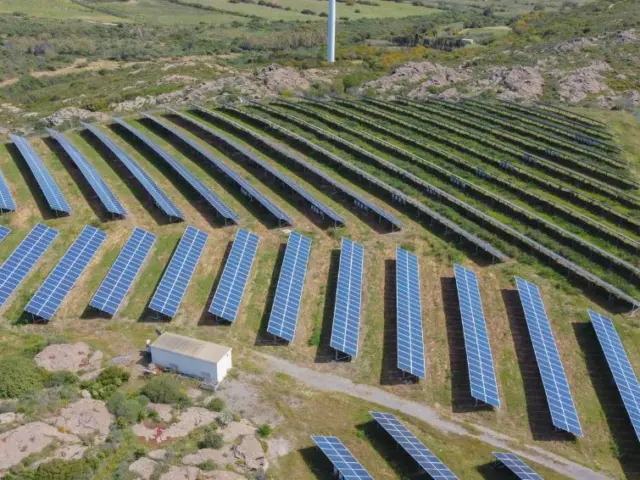
However, there have been delays on the part of distributors in carrying out the works for which they are responsible, making it impossible to connect the plant.
This has directly affected the return on investments initially projected, as each month of waiting for the start of energy injection into the grid, thousands of reais in electricity credits are wasted, while the equipment depreciates over time, without bringing financial returns to investors.
The material loss is easy to measure, since there are several tools that demonstrate the solarimetric data occurring at a given geographic coordinate, combined with the generation power of a respective photovoltaic generator installed there, but not yet connected due to the exclusive fault of the distributor.
Company and investment fund managers who have portfolios of receivables from DG plants are aware of this problem. They have a duty of diligence, as managers of investments made by partners, shareholders or quota holders, to pursue said credit in order to avoid losses in return on the investments made.
It turns out that, as distributed generation is a market in direct conflict with distributors, many investors and/or administrators have preferred not to file a claim for compensation to pursue these material damages caused by the delay in connection.
This situation also has another legal consequence, if investors or administrators change their minds in the future and file a lawsuit for compensation against distributors for the delay in connecting energy generation assets.
The lack of diligence in holding the distributor in default during the period affected by the delay in connection, as well as filing the action at a time much later than the event that caused the loss, gives rise to the debtor using the “supressio” institute as a defense argument to exempt himself from liability.
Suppressio indicates the possibility of suppressing a contractual obligation, in the event that the non-exercise of the right by the creditor generates in the debtor the fair expectation that this non-exercise will continue in time.
Therefore, the issue needs to be analyzed with caution by managers of these assets, whether to avoid professional liabilities arising from the decision-making power they have, or the risk of losing the right to material compensation owed by distributors, resulting from the delay in connecting plants ready to operate.
More articles by Einar
- Jurimetrics of court decisions on the exclusion of ICMS in GD
- Impacts of tax reform on micro and mini distributed energy generation
The opinions and information expressed are the sole responsibility of the author and do not necessarily represent the official position of the author. Canal Solar.

Comments
Comments are moderated before publication.Comments should be respectful and contribute to a healthy debate. Offensive comments may be removed. The opinions expressed here are those of the authors and do not necessarily reflect the views of the author. Canal Solar.