
The Director-General of ANEEL (National Electric Energy Agency), André Pepitone, said that the activation of thermoelectric plants amid the water crisis will increase the additional cost of dispatching these plants by almost R$9 billion between January and November and confirmed that the values will be passed on to consumers in 2022.
The statement was made last Tuesday (15), during another public hearing of the Mines and Energy Commission, in the Chamber of Deputies, in Brasília (DF). During the meeting with the parliamentarians, the executive also recognized the severity of the Brazilian water crisis, but assured that the current situation is better than in 2001, when there was energy rationing.
According to him, factors such as the expansion of transmission lines and the inclusion of renewable sources (solar and wind energy) in the electricity grid were fundamental to alleviating the problem. “We have much more robust energy security today than we had 20 years ago,” he highlighted. Pepitone also said that the Agency chose to maintain the decision to suspend power cuts due to default by low-income consumers throughout Brazil.
Learn more: ANEEL extends the deadline for power cuts for low-income population
The measure, which would end on June 30th, will remain in force until September 30th, 2021 for consumers of the social electricity tariff, covering approximately 12 million families.
Water crisis
Brazil is currently experiencing the worst drought in its history, with critical levels of water reserves in its strategic reservoirs. In some plants, the rate is below 10%, according to data from the ONS (National Electric System Operator).
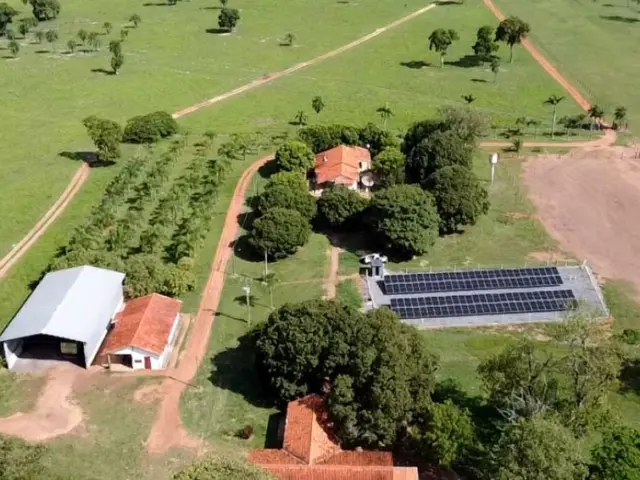
This is the case, for example, of the Marimbondo and Água Vermelha reservoirs, in the Paraná River Basin. Amid this worrying scenario, the possibility of energy rationing is raised. According to experts, investments in renewable energy, including solar energy, prove to be a viable solution to face the problem, since more than half of the country's energy matrix comes from energy generated by hydroelectric plants.

Comments
Comments are moderated before publication.Comments should be respectful and contribute to a healthy debate. Offensive comments may be removed. The opinions expressed here are those of the authors and do not necessarily reflect the views of the author. Canal Solar.