
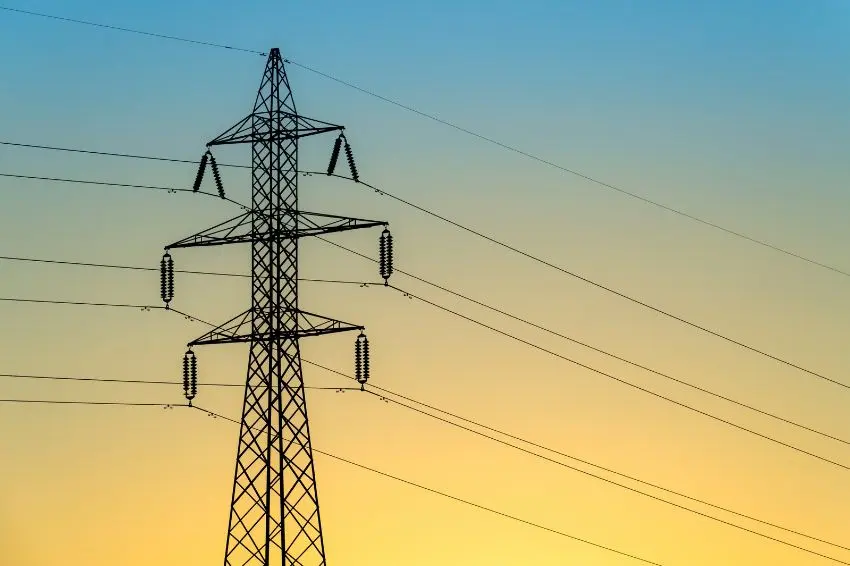
The Brazilian electrical system once again broke its record for instantaneous demand on Tuesday morning (24), reaching a preliminary mark of 108,7 GW at 10:47 am, according to data released by ONS (National System Operator).
The new peak occurred just one day after the SIN (National Interconnected System) had already broken its historical maximum on Monday (23), when demand reached 106,61 GW at 15:39 pm, surpassing the previous level of around 106,5 GW, recorded in February 2025.
Amidst all this, a technical survey by RED (Recursos Energéticos Distribuídos) – formerly ABGD – shows that, around 11:40 am on Tuesday, distributed generation (micro and mini-generation) accounted for 31% of all electricity required in the country, injecting approximately 33 GW into the National Interconnected System (SIN).
The study, based on preliminary figures from the ONS (National System Operator), indicates that if this generation alongside the load were not operating at that moment, the other power plants in the system would need to increase their output by about 45% to supply the same volume of consumption.
At 11:40 AM, distributed generation (DG) consolidated its position as the second main source of supply in the country, behind only hydroelectric plants, which met 34% of the demand. The amount delivered by this segment more than doubled the generation of centralized solar plants (14,9%) and surpassed the sum of thermoelectric, wind, and nuclear sources at the same time.
For Rose Santos, CEO of RED, the performance on a day of maximum system stress proves the strategic importance of this modality for the country's operational safety.
“The performance of distributed generation on a day of record demand highlights the leading role of consumers who invest in producing their own energy. We are talking about a resource that, in addition to expanding the autonomy and freedom of choice of Brazilians, makes a significant contribution to meeting the needs of the national electricity system,” said the executive.
Regulatory debate and network relief
According to the legal and regulatory board of RED, decentralized generation close to consumption points helps alleviate bottlenecks in transmission and distribution networks, saves hydroelectric reservoirs, and avoids the more expensive and polluting dispatch of thermoelectric plants, although the entity emphasizes that the exact measurement of these gains depends on the consolidation of operational data.
The figures are entering the public debate amid discussions led by ANEEL (National Electric Energy Agency) regarding possible changes to the rules for distributed generation.
The association argues that energy planning should take into account not only the challenges of grid operation, but also the systemic benefits delivered by the technology.
“We need to move towards a planning and regulation model that recognizes the contribution of distributed energy resources in an integrated way. The modernization of the electricity sector depends on taking advantage of these solutions, on technological innovation, and on the increasingly active participation of consumers,” Rose concluded.
all the content of Canal Solar is protected by copyright law, and partial or total reproduction of this site in any medium is expressly prohibited. If you are interested in collaborating or reusing part of our material, please contact us by email: redacao@canalsolar.com.br.


Comments
Comments are moderated before publication.Comments should be respectful and contribute to a healthy debate. Offensive comments may be removed. The opinions expressed here are those of the authors and do not necessarily reflect the views of the author. Canal Solar.