
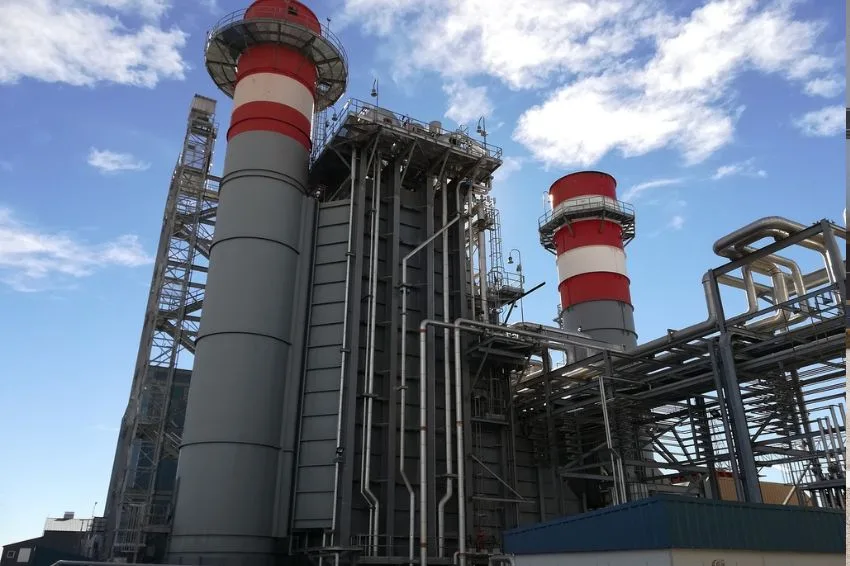
Carbon emissions from the Brazilian electricity sector are expected to increase by 54% between 2024 and 2060, reaching 7,7 grams of CO2/kWh, despite heavy investments in renewable energy.
The alert was made by Aurora Energy Research, consultancy on energy market forecasts and investment analysis. Brazil is expected to become a bigger emitter than Great Britain by 2047.
Currently, the British electricity sector emits 26 times more (132 gCO2/kWh) than the Brazilian sector (5 gCO2/kWh). However, the United Kingdom is forecast to reduce emissions by 112% (-15,9 gCO2/kWh) by 2060.
According to Aurora, due to restrictions on hydroelectric plants, the Brazilian electricity sector will grow based on wind and solar energy. "O share of solar capacity and onshore wind should increase from 21% in 2023 to 54% in 2060.”
However, due to the intermittent characteristic of renewable sources, the system will require the contracting of thermoelectric plants to guarantee the security of electricity supply in Brazil, especially during periods of low green energy production.
According to Aurora, in Brazil, “Carbon-neutral forms of system resilience, such as batteries and pumped-storage hydropower plants, are undermined by the current regulatory framework.
Investments in these technologies are not financially attractive, as the plants are not compensated for providing ancillary services.
Furthermore, there is a lack of government mechanisms to help investors manage the high costs of developing and importing these technologies.”
In the next Capacity Reservation Auction, scheduled for August, the Minister of Mines and Energy, Alexandre Silveira, even speculated about the possibility of the participation of storage technologies. However, this has not yet been confirmed.
The capacity auction was the mechanism created by the government to contract capacity to meet the system's peak demand and when renewables are not generating.
“In 2021, only thermal plants participated and, for the August auction, despite adding the possibility of expanding existing hydroelectric plants for the first time, greater expansion of these plants is expected again”, assessed Aurora.
“Furthermore, existing regulations in Brazil create uncertainty, particularly in relation to tariffs and licensing, as storage systems have dual roles in consumption and generation. This harms investment in storage projects, limiting their contribution to the reduction of carbon emissions and the stability of the network”, adds the consultancy.
For Inês Gaspar, Product Manager at Aurora, “thermal plants play an important role in providing flexibility and security of supply, but without regulation and without a market structure that encourages carbon-free solutions, such as hydroelectric plants and storage systems, Brazil risks achieving higher carbon emissions by 2047 than those of Britain, diverging from Europe’s path to Net Zero.”
all the content of Canal Solar is protected by copyright law, and partial or total reproduction of this site in any medium is expressly prohibited. If you are interested in collaborating or reusing part of our material, please contact us by email: redacao@canalsolar.com.br.


Comments (1)
Comments are moderated before publication.Comments should be respectful and contribute to a healthy debate. Offensive comments may be removed. The opinions expressed here are those of the authors and do not necessarily reflect the views of the author. Canal Solar.
Congratulations on the report. By the way, Brazil will not be able to produce Green Hydrogen according to European criteria!!