

Reduce the impact of the social electricity tariff on the CDE (Energy Development Account), reduce energy thefts – non-technical losses – and the Federal Government's spending on the Bolsa Família program, in addition to generating revenue for low-income families. These are the objectives of the Social Program for Income Generation Through the Production of Renewable Energy presented by federal deputy Lafayette de Andrada (Republicanos-MG), in the text that aims to update the CBEE (Brazilian Electric Energy Code).
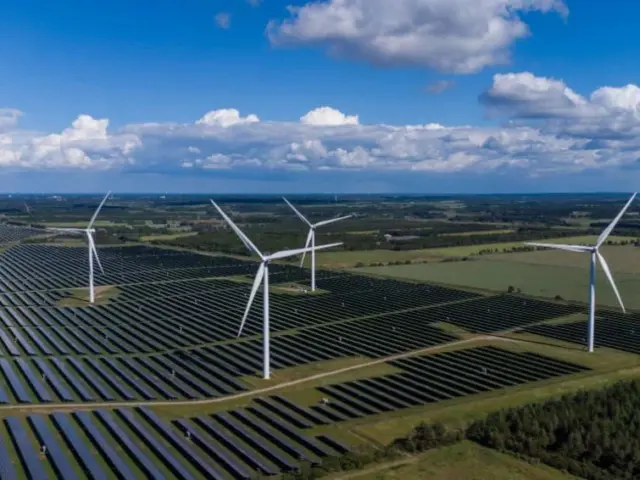
“I am implementing an interesting program through the possibility of selling energy from distributed microgeneration. It can be solar or wind, up to 5 MW. It will be a fantastic step. Income generation, it’s Bolsa Família for poor people”, stated the parliamentarian in an exclusive interview with Canal Solar, during the Papo Solar podcast.
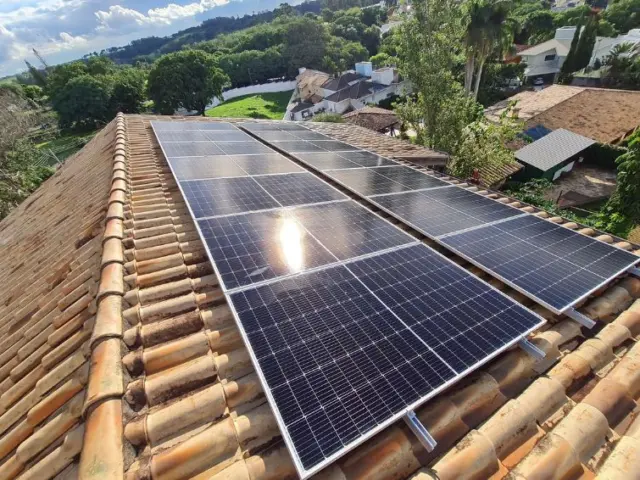
According to Lafayette, in order to participate in this program, the municipality must be authorized by the Ministry of Regional Development. After being authorized, the city government will be able to install a solar plant of up to 5 MW in the city, and the concessionaires will be authorized to purchase this plant. “Today, the law already allows concessionaires to purchase up to 10% of their own area of operation. So, the concessionaires will purchase from these plants, which will be authorized by the ministry and registered in the program, and the funds will pay this benefit to the families that are accredited,” he explained.
Income will be higher than that of Bolsa Família
Also according to the deputy, the income that will be paid to families registered in this program will be greater than that paid today by the Bolsa Família program. “We have already carried out several simulations. This benefit pays 50% to 60% more than the value of Bolsa Família, which pays, on average, R$200 to each family. This new program will be able to pay between R$330 and R$340”, explained Lafayette.
Reduction in energy theft
The congressman also explained that in order to qualify for this social program, the family cannot have an illegal electrical connection in the residence, and is required to connect to the power system. “What is the advantage of this? We are talking about poor families and many of them do the famous ‘gato’ (a type of illegal electricity connection) to avoid having to pay the electricity bill. So, it forces the family to be connected to the power system to receive this money and greatly reduces the non-technical losses that currently exist and are charged to all consumers,” he highlighted.
With this, Lafayette states that there will be relief from public coffers, as each family that will be included in this program will be excluded from Bolsa Família. “It is a well-designed program that has a great chance of prospering. Everyone wins,” he said.
Legal framework for the Electrical Sector and DG
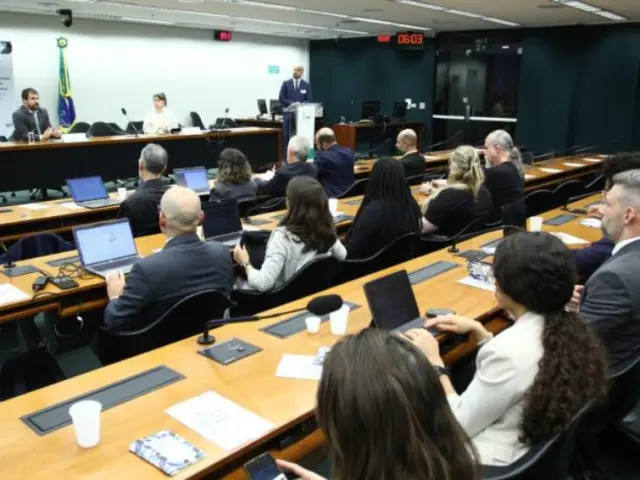
Legal security, clarity and modernization of legislation. These are the pillars of text presented by federal deputy Lafayette de Andrada (Republicanos/MG) at the end of July at the virtual technical meeting of CBEE (Brazilian Electric Energy Code). The measure comes amid the discussion surrounding the update of REN 482/2012 proposed by ANEEL (National Electric Energy Agency). The new text presented deals with generation, transmission and distribution of energy in Brazil and aims to organize the sector.
The deadline for electricity sector associations and federal deputies to present suggestions for the text ends on August 31st. The request must be forwarded to the rapporteur of the matter, Congressman Lafayette. The deadline was set by Congressman Lucas Redecker (PSDB-RS), president of the special committee that deals with the matter. The congressman emphasized that, with the suspension of the work of the Chamber's committees due to the Covid-19 pandemic, the suggestions will not have the nature of amendments, but will have the objective of contributing to the debate.
Comments
Comments are moderated before publication.Comments should be respectful and contribute to a healthy debate. Offensive comments may be removed. The opinions expressed here are those of the authors and do not necessarily reflect the views of the author. Canal Solar.