
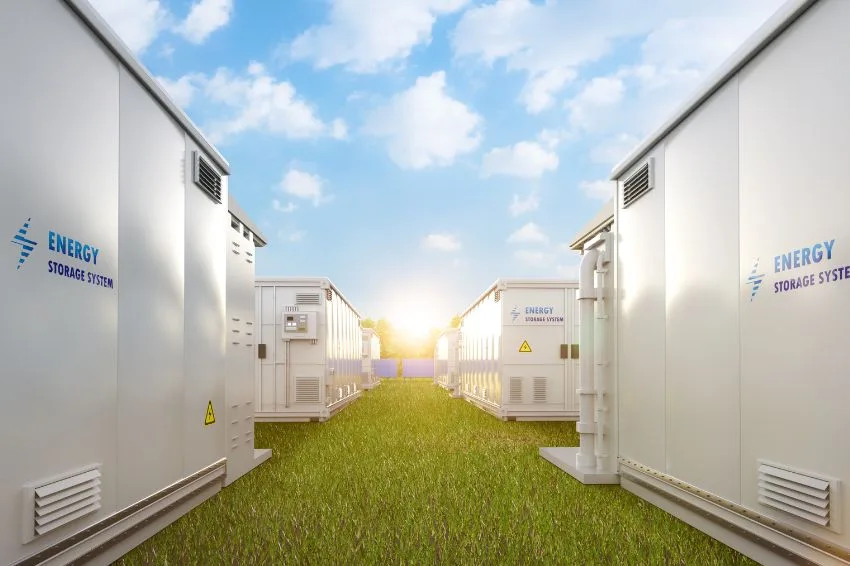
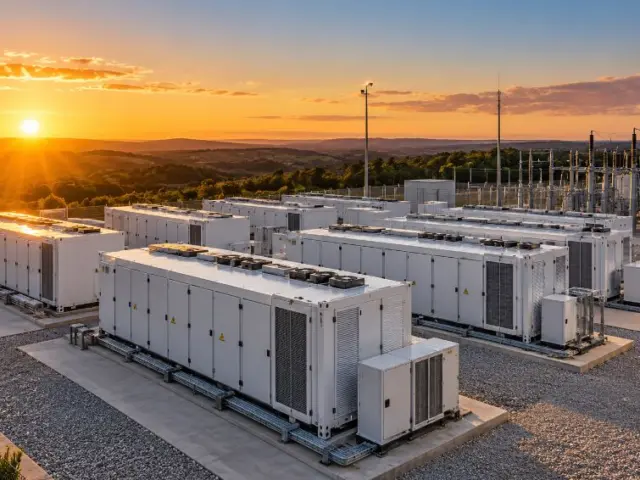
Brazil is facing a decision that could define the pace of energy storage adoption in the coming decades. ANEEL (National Electric Energy Agency) has made progress in regulating SAEs (Electric Energy Storage Systems), but the proposed pricing model threatens to turn a strategic opportunity into a brake on innovation.
The proposal for autonomous SAEs—those not linked to a generating plant—provides for charging two fees for grid use: one at input (load) and another at output (injection). Technically, the agency argues that these are distinct services. In practice, however, the sector sees something more worrying: a double charge that unnecessarily burdens an agent that is neither an end consumer nor a conventional generator.
Looking abroad, the difference is stark. In the United States, the United Kingdom, Germany, and Australia—countries leading the energy transition—storage regulations are designed to encourage, not penalize.
In these markets, charging is usually a one-time charge or reduced at the time of recharging, precisely because storage is seen as a support service for the electrical system. More than that, there are tariff and tax incentives to make projects economically viable and accelerate the integration of renewable sources.
By insisting on double charging, Brazil sends a signal that's against investment. It's as if we're telling stakeholders: "Do you want to contribute to grid modernization and increase energy security? Then pay as if you were consuming and generating at the same time." The predictable result is a decline in private interest and a delay in the diffusion of this technology, which is key to addressing the intermittency of solar and wind energy.
Director Fernando Mosna, when requesting to review the process, touched on the central point: SAE needs to be recognized as a separate category, with rules appropriate to its function. The current framework, which replicates the tariffs of conventional consumers and generators, is a regulatory oversight that ignores the operational reality of storage.
If maintained, this approach will artificially increase operating costs, reduce revenues already limited by the lack of a robust market for ancillary services and price arbitrage, and ultimately hinder the evolution of the electrical system. The risk is not just technological or economic—it is strategic.
Brazil is in the midst of an energy transition that requires smart planning. Storing energy is not a luxury: it's a prerequisite for ensuring reliability, reducing waste, and maximizing the potential of renewables. Creating barriers at the start means losing time and losing competitiveness.
There is still room for course correction. A new phase of public consultation, open to industry input, could align Brazilian regulation with international best practices. If we want a modern, resilient, and sustainable electricity system, we need to treat storage as an ally—not a double-billed intruder.
The opinions and information expressed are the sole responsibility of the author and do not necessarily represent the official position of the author. Canal Solar.
Comments
Comments are moderated before publication.Comments should be respectful and contribute to a healthy debate. Offensive comments may be removed. The opinions expressed here are those of the authors and do not necessarily reflect the views of the author. Canal Solar.